








The Strategic Guide to Dissolving Cosmetics Advanced Stain Extraction for Sofas and Textiles
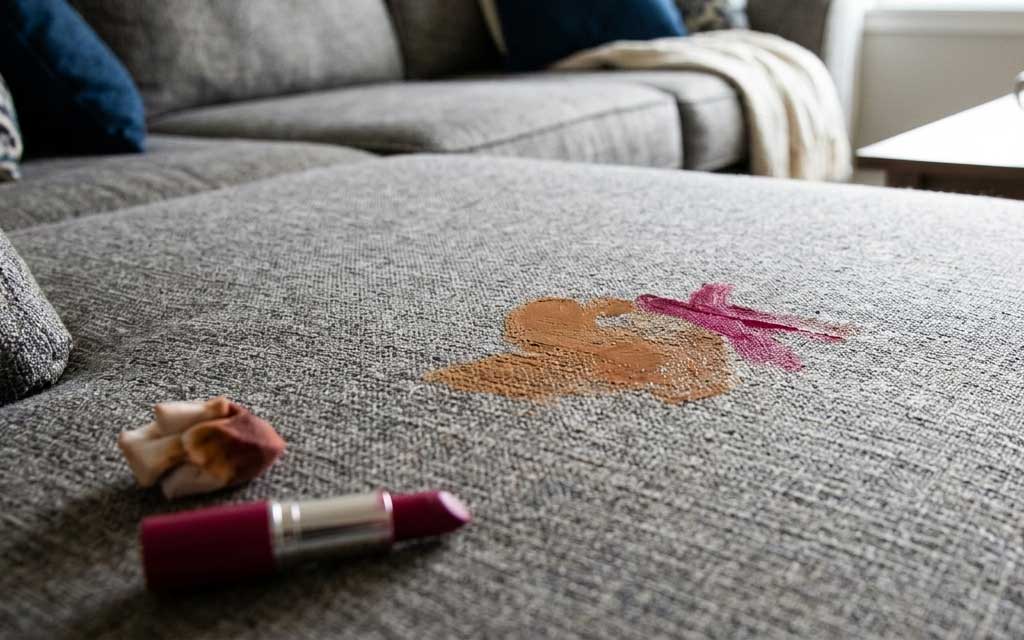
If you have inadvertently overturned a bottle of liquid foundation, smeared high-pigment lipstick onto a collar, or transferred theatrical face paint to your favorite upholstery layout, remain calm. You can systematically release complex cosmetic pigments from woven textiles with a few technical steps, dictated entirely by the structure of the substrate and the chemistry of the cosmetic product.
Whether your goal is to extract vibrant wax-based cosmetics from a shirt prior to an event or decode the exact method to flush out waterproof liquid pigments from furniture fibers, this sequential reference outline delivers professional-grade solutions.
- Audit the Structural Textile Care Registry First
Prior to deploying any topical stain extractors or domestic cleaning mixtures, always inspect the manufacturer’s care label sewn inside your garment. Delicate luxury matrices like pure silk, fine wool, and woven linen demand non-aggressive physical management. For these highly vulnerable substrates, abandon aggressive chemical surfactant bars and rely exclusively on gentle, pH-balanced fluid agents, or transfer the item to a certified cleaner to prevent permanent fiber distortion.
Primary Fabric Categories:
- Dry Clean Only Infrastructure: Avoid all home washing attempts; introduction of moisture can induce fiber shrinkage, warp seams, or destroy structural stability.
- Synthetic Textiles (Polyester, Nylon, Acrylic): Possess durable, resilient synthetic polymers that respond highly to targeted stain-releasing compound sticks.
- Natural Fibres (Cotton, Raw Denim): Feature high capillary absorbency, causing liquid cosmetic pigments to sink deep into the yarn core, demanding instantaneous extraction.
- Decontamination: How to Pre-Treat Cosmetic Accidents
Gently blot the compromised zone with a clean, bone-dry microfiber cloth or an absorbent white paper towel to draw out excess, unbonded product. Never scrub or rub the spot, as mechanical friction forces the fine cosmetic dyes deeper into the physical fabric weave. Next, deploy one of these industry-tested pre-treatment protocols:
- Concentrated Degreasing Dish Surfactant: Apply a single drop directly to the stain perimeter. Commercial dish soap is explicitly engineered to break apart lipids, making it the ideal weapon to dissolve the heavy oils, silicones, and synthetic waxes packed into waterproof foundations, liquid concealers, and contour creams.
- Enzymatic Liquid Laundry Detergent: Massage a minimal amount of enzyme-rich liquid laundry detergent into the fibers using your fingertips or a soft-bristle detailing brush in circular patterns to break down the organic binder matrices.
- Micellar Water or Oil-Free Cleansing Wipes: High-grade, oil-free cosmetic wipes operate efficiently on fresh accidents. Tap the location deliberately until the pigment transfers directly away from the furniture onto the wipe substrate.
- Submerge the Textile in Cold Liquid Subbaths
Soaking is an indispensable milestone to loosen dried, cured cosmetics before the item enters a mechanical wash cycle. Fill a clean utility basin, sink, or wash bucket with cold tap water and completely submerge the garment. Allow the fabric to soak continuously for 15 to 30 minutes. Cold water breaks apart water-soluble pigments, whereas hot water will cook the protein structures and set the grease binders, locking the stain permanently into the yarn.
- Execute a Cold Water Mechanical Wash Cycle
Following pre-treatment and soaking, launder the garment in accordance with its specific care registry guidelines. Always select a cold water cycle on your appliance to preserve fiber elasticity and prevent pigment lock. If you are battling a stubborn, oil-laden cosmetic stain, incorporate an enzyme-driven stain booster directly into the wash liquor to completely dissolve any lingering grease residues.
- Enforce Air Evaporation and Bright Light Inspections
Do not place the garment inside a clothes dryer once the mechanical wash cycle concludes. The intense thermal energy of an appliance dryer behaves as a permanent catalyst, setting any residual cosmetic pigments into the fabric structure. Suspend the item to air-dry naturally, then audit the textile under bright, natural daylight. If any trace pigments remain visible, repeat the pre-treatment and cold-soaking protocols before attempting another wash.
Specialized Extraction: How to Remove Heavy Theatrical Face Paint
The heavy, high-density oils and pigments used in theatrical face paints, regional festival cosmetics, and Halloween costuming can leave intense, highly visible stains. Deploy this targeted mechanical breakdown to remediate them safely:
- Step 1: Scrape Away Excess Mass: Utilize the edge of a stainless steel spoon, a dull butter knife, or a rigid plastic card to carefully scrape off any thick, crusty exterior layers of paint from the fabric surface. This halts the migration of the product across surrounding clean fibers.
- Step 2: Decode the Paint Base Chemistry:
- For Lipid/Oil-Based Formulations: Pre-treat the zone with grease-stripping dish detergents, pure isopropyl rubbing alcohol, or an oil-cleansing cosmetic remover.
- For Aqua/Water-Based Formulations: Standard liquid laundry detergent or a classic soap bar will seamlessly break down the water-soluble dyes.
- Step 3: Soak, Wash, and Air-Dry: Apply your target pre-treatment solution, allow it to penetrate the fibers for 10 minutes, and submerge the item in a cold water basin for 30 minutes. Launder on a cold cycle and line-dry.
Precision Manual for Premium and High-Value Delicate Fabrics
- Pure Silk and Satin Weaves: Strict avoidance of mechanical friction and aggressive chemicals like ammonia or chlorine bleach is mandatory. Rely on a highly diluted, mild surfactant, blot carefully inward from the outer edges of the blemish, and utilize professional dry-cleaning for high-investment items.
- Leather Upholstery and Apparel: Natural leather is exceptionally porous and easily ruined by excess water or harsh chemical solvents. Treat spills instantly with a specialized leather cleaner and a balanced conditioner, strictly honoring the manufacturer’s protocol.
- Velvet and Suede Compositions: Scrubbing or rubbing velvet permanently flattens the raised pile and destroys the luxury textile hand. Blot gently with a dry, clean cloth and deploy specialized dry-cleaning solvents or professional upholstery extraction for stubborn marks.
Proactive Strategies to Prevent Structural Household Stains
- Utilize Washable Furniture Shields
Protect your primary living room investment by deploying stylish, machine-washable slipcovers or specialized fabric furniture protectors. Whether you are hosting an extensive party or preparing for a social evening, these barriers offer an ironclad defense for your upholstery. If a spill occurs, simply strip the cover off and launder it, leaving your underlying couch completely untouched. - Establish a Centralized Vanity Zone
Contain potential cosmetic spills by designating a specific cosmetic zone in your property, such as a bathroom layout or a highly illuminated vanity table. Restricting liquid products from passing near fabric sofas, woven carpets, and bedding minimizes the risk of accidental drops. Keep a dark-toned vanity towel on hand to cradle your makeup sponges and cosmetic brushes between applications. - Apply Advanced Fabric Protectors and Repellents
For high-use zones like fabric sectional couches, dining room chairs, and automotive upholstery, applying a premium fabric protector spray is an absolute game-changer. These fabric guards bond with individual fibers, forcing liquid accidents and greasy cosmetics to bead up cleanly on the surface rather than absorbing into the cushions. Always spot-test the treatment on a hidden, inconspicuous zone first to confirm colorfastness.
When in Doubt, Defer to Certified Fabric Restorers
If you have executed these DIY extraction protocols and the stubborn cosmetics, face paint, or waterproof pigments still refuse to budge—or if you are managing a high-value, delicate item you are afraid of compromising—it is time to summon professional reinforcements.
At Mobi Cleaning Canada, we specialize in the deep extraction, sanitation, and complete restoration of delicate residential fabrics, custom area rugs, and fine furniture upholstery. Whether you require localized upholstery stain removal or a comprehensive deep clean for your condo or estate, our certified crews are here to help.
Visit mobicleaning.ca today to explore our advanced professional carpet, mattress, and upholstery restoration solutions, and let us return your home fabrics back to their pristine, original condition!
Call Us
778.801.8595
SEND US AN EMAIL
book@mobicleaning.ca
Text Us
778.801.8595
Contact Us For Cleaning Services
Real Results
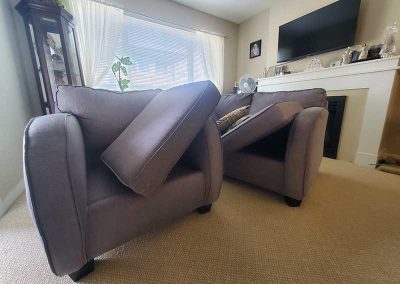
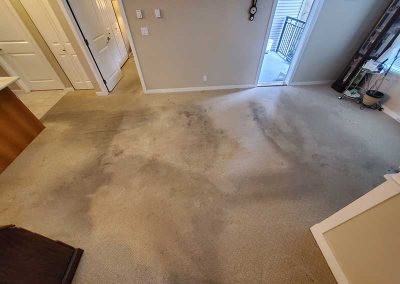
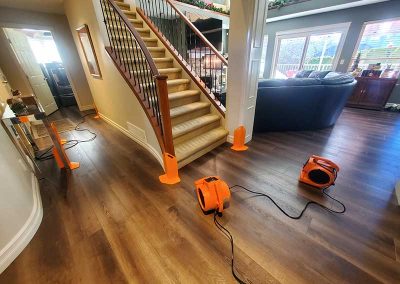
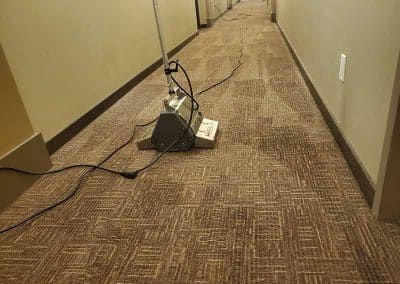
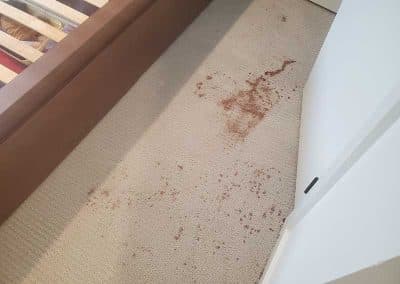
We take tremendous pride in the results we deliver for our clients. The photos speak for themselves.
Why Choose Us
Business License, Criminal Record Check, Trained Technicians, Professional Tools, Professional Solutions, Better Results and Quality, Transparent Pricing and no Hidden Fees, Health Benefits, Professional Operation of Tools, Mobi Cleaning Difference, Flexible Scheduling, On-Time, Maintenance, Great Competitive Value, Customer Satisfaction Focused, IICRC Trained, Green Cleaning, Reputation, Property Protection, Fast Drying Carpets, 100 Percent Satisfaction Guarantee, Experience, Professional Processes, First-Class Service, Fast Response Time, Free Consultation and Estimates, Competitive Pricing and Dedicated Account Manager