










How to Remove Oil Stains From Carpets The Ultimate Mobi Cleaning Guide
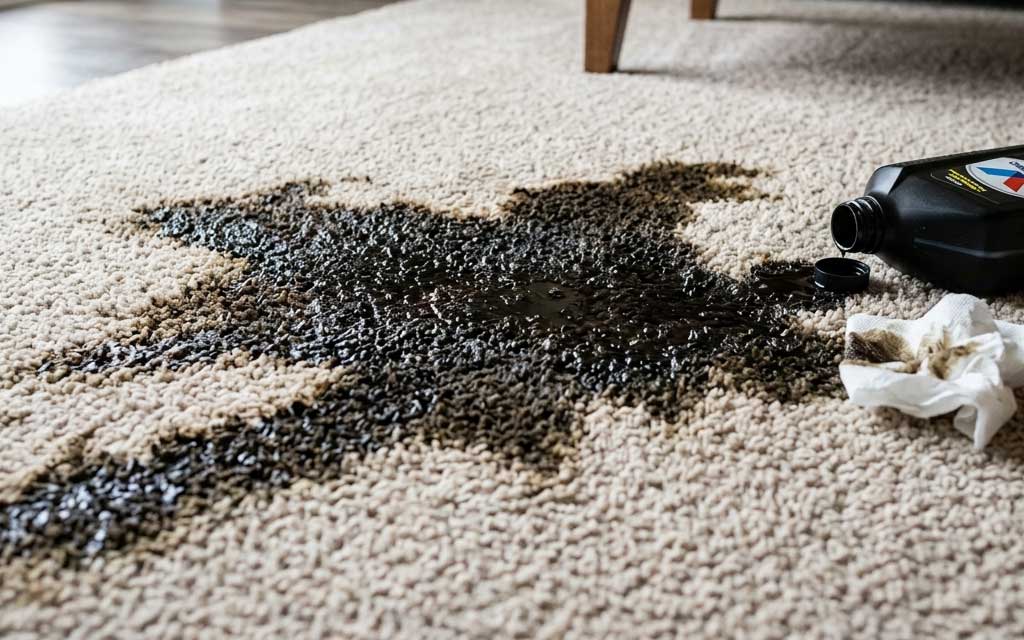
Accidentally spilling grease on your flooring instantly creates a stressful mess because greasy spots are notoriously difficult to lift from deep pile. No matter how cautious you are, household accidents are bound to happen when you least expect them. Whether you dropped a splash of culinary cooking oil in the kitchen or tracked heavy automotive grease inside after a wet Metro Vancouver commute, these blemishes require immediate, targeted treatments to successfully dissolve.
Why Acting Fast Is Critical for Carpet Preservation
When dealing with a fresh grease spill, immediate intervention is your best defense against permanent discoloration. Rapid cleanup does more than just maintain your home’s visual appeal; it actively protects the structural integrity of the textile fibers. Allowing a spill to linger gives the liquid time to sink deep into the underpad and backing, making extraction incredibly difficult. Furthermore, tacky residues act like a magnet for airborne dust and daily foot traffic dirt, leading to localized areas of dark, embedded grime.
By utilizing this comprehensive, step-by-step DIY tutorial, BC homeowners can confidently eliminate stubborn grease marks, preserve their flooring investments, and maintain a healthier indoor living space.
The Science Behind Stubborn Grease Spotting
Unlike water-soluble spills, oily compounds bond aggressively to synthetic and natural materials because they are hydrophobic, meaning they naturally repel moisture. Because traditional household spot treatments rely on water-based formulas, they simply slide off the grease rather than breaking it down.
As petroleum or organic oils saturate the fibers, they leave a sticky film that alters the texture of the pile, causing it to mat down and turn stiff. If ignored, organic fats will eventually oxidize and go rancid, releasing sour, stubborn odors that pollute your indoor air quality.
Assessing Your Fabric Type and Spill Source
Before attempting any spot removal, you must evaluate two primary variables: your specific textile composition and the exact origin of the grease.
- Material Sensitivity: Delicate natural fabrics like wool require incredibly gentle handling to prevent fraying, whereas resilient synthetic materials (like nylon or polyester) often feature built-in stain guards that endure more vigorous agitation.
- The Spill Origin: Common culprits range from culinary liquids (olive, vegetable, canola, and bacon fat) to mechanical fluids (motor oil) and oily cosmetic lotions. Each substance possesses a distinct chemical footprint requiring a specific counter-agent to break the molecular bonds.
Understanding these factors allows you to choose the safest extraction method. For broader household tips, browse our comprehensive Mobi Cleaning Stain Removal Hub.
Step-by-Step Culinary Oil Extraction Protocol
Phase 1: Blotting and Initial Extraction
Take a clean, dry white paper towel and apply firm, vertical pressure to soak up the excess liquid. Never rub or scrub the area, as lateral friction forces the pigment and grease deeper into the backing material.
Phase 2: Chemical Neutralization
Moisten a white microfiber cloth with a small amount of isopropyl rubbing alcohol and gently dab the surface to begin dissolving the lipid bonds.
Phase 3: Creating the Emulsifying Solution
Blend one liter of warm water with approximately one milliliter (a quarter-teaspoon) of a concentrated, grease-cutting dish detergent (such as original blue Dawn). Ensure the soap is completely free of artificial moisturizers, lanolin, or bleaching agents.
Phase 4: Application and Rinsing
Using a damp sponge, gently press the soapy solution into the affected zone. Continuously blot the area with a dry cloth, transferring the loosened oil onto the towel until the dark discoloration completely disappears.
Method 2: Heavy-Duty Automotive Fluid Extraction
- Scrape the Surface Excess: Carefully lift any pooled fluid from the pile using a dull butter knife, taking precautions not to snap or fray individual fabric fibers.
- Apply an Absorbent Powder: Generously dust the affected zone with pure baking soda or cornstarch to draw up the wet grease, allowing it to sit undisturbed for 10 minutes.
- Vacuum the Powder Layer: Use an upright or handheld vacuum cleaner to extract the dry, oil-saturated powder entirely from your flooring.
- Target With a Dry-Cleaning Solvent: Pour a few drops of a premium dry-cleaning fluid or professional spot remover onto a clean white cloth and press it directly into the dark mark.
- Blot and Prepare a Secondary Solution: Press firmly with a fresh towel; if the dark discoloration remains visible, combine 500 milliliters (2 cups) of warm water with 15 milliliters (1 tablespoon) of white vinegar and 15 milliliters (1 tablespoon) of liquid dish soap.
- Agitate the Fiber Base: Dip an untinted sponge into the homemade emulsion and press it repeatedly into the fibers, working the soapy blend deep into the remaining grease.
- Flush With Fresh Water: Rinse the cleaning solution away using a damp cloth soaked in clean, cold water, then let the area air-dry thoroughly.
Eradicating Stubborn, Dried-In Grease Marks
Clearing an old, set-in grease spot that has fully bonded to your flooring requires added patience and rigorous application. While fresh, wet spills respond well to pantry staples, old blemishes usually necessitate advanced commercial carpet spotters from a local Metro Vancouver home improvement store. These specialized retail agents are built to penetrate deep down into the backing to dissolve hardened petroleum and organic molecules.
When applying retail chemical agents, always review the safety guidelines and manufacturer instructions carefully to avoid permanent fiber damage. Depending on the formula, you can utilize a soft-bristled utility brush to work the fluid into the lower pile, ensuring the chemical agents break up the stubborn grease bonds effectively.
Professional Carpet Stain Removal Across BC
Battling deeply embedded, dark carpet stains can feel completely overwhelming, especially with hydrophobic substances like motor oil. Achieving complete removal on your very first attempt is critical; improper DIY techniques run a high risk of permanently setting the discoloration into the fabric matrix, turning a simple spot treatment into a costly replacement project. If you lack the tools or confidence to tackle these blemishes safely, bypass the guesswork and hand it over to certified professionals.
Serving communities throughout Coquitlam and the Lower Mainland for years, our professional carpet cleaning team knows exactly how to fight the unique grime brought in by BC’s wet, muddy coastal weather. We believe in restoring your existing flooring investments rather than forcing an expensive replacement, restoring your textiles to pristine condition under our trusted satisfaction guarantee.
Our comprehensive maintenance solutions also feature an advanced carpet and area rug protection treatment designed to actively shield your fibers against future oil and water-based spills. Equipped with industrial truck-mounted extraction systems, our local BC technicians possess the field training to select the safest, most effective cleaning protocol for your specific residential or commercial property.
Contact Mobi Cleaning today to schedule your professional carpet cleaning appointment.
Frequently Asked Questions
Q: How long does it take for an automotive oil spill to set in?
A: The precise timeline depends heavily on the viscosity of the fluid, but a stain is generally set the moment the liquid dries. Once dry, the grease molecules lock onto the fiber strands, making standard extraction methods ineffective. Immediate treatment is essential to avoid permanent discoloration.
Q: Can grease and motor oil cause lasting damage to flooring?
A: Yes, unaddressed oil spills can leave permanent dark paths and irreversibly ruin the soft texture of your pile by causing it to harden and mat down. Furthermore, organic kitchen fats will oxidize and turn rancid over time, releasing unpleasant odors into your home.
Q: Are homemade DIY cleaning formulas safe for every textile?
A: While DIY mixtures offer a budget-friendly alternative using household items, you must verify your specific fiber material before application. Delicate natural textiles like wool are highly sensitive to pH imbalances and require far milder, specialized treatments compared to resilient synthetic nylon or polyester.
Q: What should I do if a stubborn grease mark refuses to clear?
A: If a dark blemish persists, escalate to a heavy-duty, commercial-grade spot remover designed specifically for grease. If the carpet remains discolored after attempting advanced retail products, call a professional cleaning service to extract the deeply embedded residue using high-temperature, industrial truck-mounted systems.
Discover more professional surface care secrets by exploring our main Mobi Cleaning Blog.
Summary and Key Takeaways
Because of their hydrophobic nature, oil-based spills rank among the most difficult blemishes to lift from residential and commercial carpets. Maximizing your cleanup success relies almost entirely on your response time; acting immediately increases your chances of erasing the mark using basic household tools. Always analyze the source of the grease alongside your specific carpet fiber type before starting.
To eliminate the stress of ruining your flooring, leave the deep extraction to the professionals at Mobi Cleaning.
Request a free professional service estimate from the local experts at Mobi Cleaning today.
Call Us
778.801.8595
SEND US AN EMAIL
book@mobicleaning.ca
Text Us
778.801.8595
Contact Us For Cleaning Services
Real Results
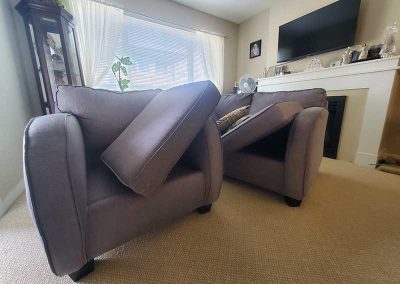
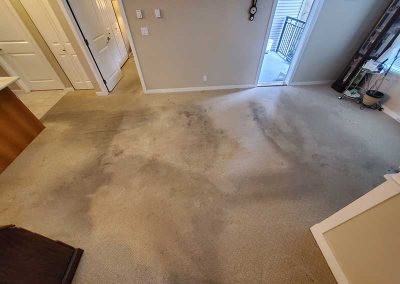
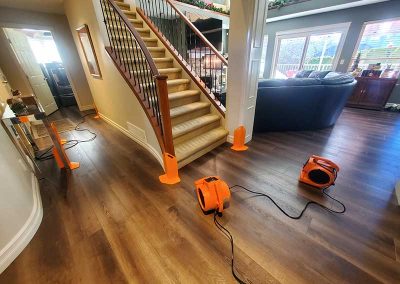
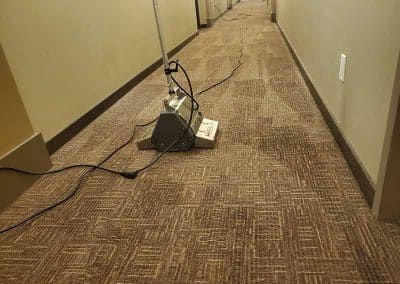
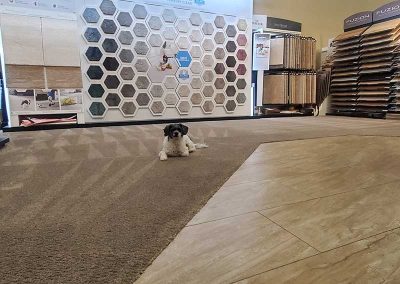
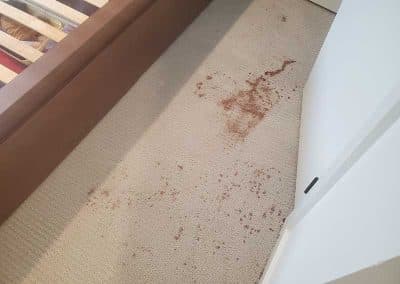
We take tremendous pride in the results we deliver for our clients. The photos speak for themselves.
Why Choose Us
Business License, Criminal Record Check, Trained Technicians, Professional Tools, Professional Solutions, Better Results and Quality, Transparent Pricing and no Hidden Fees, Health Benefits, Professional Operation of Tools, Mobi Cleaning Difference, Flexible Scheduling, On-Time, Maintenance, Great Competitive Value, Customer Satisfaction Focused, IICRC Trained, Green Cleaning, Reputation, Property Protection, Fast Drying Carpets, 100 Percent Satisfaction Guarantee, Experience, Professional Processes, First-Class Service, Fast Response Time, Free Consultation and Estimates, Competitive Pricing and Dedicated Account Manager