













Purifying Your Living Space The Ultimate Mobi Cleaning Guide to a Healthier Indoor Environment
When British Columbians consider a health detox, we often focus on nutritious eating or hiking through our beautiful provincial parks. However, many homeowners overlook the fact that the air and surfaces inside their residential properties require regular deep cleaning too.
From the oxygen we breathe during rainy coastal winters to the fabric couches we relax on, our homes easily trap hidden contaminants that degrade our well-being. At Mobi Cleaning, we specialize in transforming living spaces into sanctuary zones by systematically removing hidden pollutants from your living spaces.
Discover the absolute best methods to sanitize your home using actionable, expert advice from our home restoration team. If you require specialized assistance to maintain a sanitary household, contact Mobi Cleaning for professional carpet and upholstery deep cleaning.
Step 1: Revitalizing Your Indoor Air Quality
Indoor air pollution represents a significant environmental health hazard primarily because it remains completely invisible to the naked eye.
With particulate dust, seasonal West Coast pollen, and volatile chemical residues continuously circulating through your rooms, your family may face daily exposure to airborne irritants. Environmental protection data indicates that indoor air is frequently two to five times more polluted than the fresh air found right outside your doorstep.
Cultivate Daily Cross-Ventilation
Open your windows daily to flush out stagnant air. While it sounds overly simplistic, letting fresh outdoor air circulate is the fastest way to dilute indoor airborne toxins. Make it a mandatory habit—even during cold, damp BC winter months—to crack open windows for five to ten minutes each morning to rejuvenate your indoor climate.
Schedule Professional HVAC and Air Duct Remediation
Arranging for a comprehensive air duct cleansing is a foundational step toward achieving pristine indoor air. Microscopic dander, heavy dust, pollen, and fungal spores accumulate deep inside your ventilation networks over time, redistributing across your living areas the moment your furnace activates.
Mobi Cleaning delivers high-powered furnace and air duct cleaning services to extract these hidden accumulations, ensuring your mechanical systems operate at peak performance. Regular duct maintenance directly improves airflow efficiency, which lowers your monthly BC Hydro or FortisBC utility bills while extending the operational lifespan of your heating infrastructure.
Master Furnace Filter Maintenance
Consistently servicing your heating and cooling equipment is crucial for arresting indoor pollutants before they recirculate. Replace your furnace filters at least once every three months to block coarse debris from entering your breathing zones. For superior filtration, upgrade to HEPA (High-Efficiency Particulate Air) filters, which are specifically engineered to capture 99.97% of microscopic particles, including fine dust, pet allergens, and mold spores.
Neutralize Furniture Off-Gassing
Be mindful of the materials brought into your living areas. Newly manufactured mattresses, couches, and synthetic carpets regularly emit volatile organic compounds (VOCs) into the surrounding air through a chemical process called off-gassing. To safeguard your air quality, allow new furniture pieces to air out in a well-ventilated garage or covered outdoor patio area for several days before moving them into enclosed bedrooms or living spaces.
Step 2: Elevating the Purity of Your Tap Water
Water is essential for vitality, yet the stream pouring directly from your home faucets can carry an array of unwanted trace contaminants. Common chemical additives like chlorine, alongside industrial runoff, pesticides, and heavy metals, can inadvertently migrate into municipal and private drinking supplies.
Implement Multi-Stage Filtration Systems
Affix a premium water filtration system directly onto your kitchen faucets or your property’s main water supply line. This simple, cost-effective upgrade drastically minimizes your exposure to heavy metals like lead while neutralizing harsh chlorine odors, yielding cleaner water for cooking, drinking, and bathing.
Avoid the Pitfalls of Bottled Water
Transitioning exclusively to retail bottled water is not a guaranteed path to safety. Industrial plastics often contain chemical stabilizers like BPA that can leach directly into the beverage, especially if the bottles are exposed to heat during transit or storage.
The Mobi Cleaning team advocates for eliminating single-use plastic bottles entirely. They create immense strain on our local BC landfills, whereas transitioning to reusable stainless steel or borosilicate glass containers protects your cellular health and actively cuts plastic waste within our communities.
Step 3: Eliminating Plastic Hazards From Your Kitchen
Modern plastics offer undeniable convenience for meal prep, but they frequently harbor covert chemical compounds that can alter endocrine functions and compromise long-term cellular health. Plastic components often contain bisphenol A (BPA) and structural phthalates, which readily migrate into your food supply.
Upgrade Your Food Storage Hardware
Begin your reduction strategy by replacing worn plastic tupperware with resilient borosilicate glass or food-grade stainless steel containers. These inert materials offer superior durability and remain completely stable when subjected to temperature changes, unlike plastics which off-gas volatile chemical vapors under high heat.
Re-Evaluate Your Cookware Selection
Apply this exact standard to your active culinary appliances by transitioning to seasoned cast-iron or heavy stainless steel frying pans. This simple upgrade allows you to permanently retire worn non-stick Teflon cookware, which can shed microscopic fluorinated compounds—commonly classified as PFAS—directly into your meals.
Adopt a Gradual Replacement Method
Avoid the financial strain of an overnight kitchen overhaul by replacing just one or two plastic storage pieces each month. Target your high-use items first, such as your daily commuter lunchboxes, to systematically reduce synthetic polymer exposure across your household.
Step 4: Redesigning Your Daily Sanitization Routine
While conventional, store-bought cleaning supplies often mimic the scent of a fresh outdoor breeze, many rely on aggressive chemical formulations that actively compromise respiratory health. Commercial formulas frequently utilize synthetic fragrances, caustic chlorine bleach, and heavy ammonia, which can trigger asthma symptoms or induce dermal inflammation upon contact.
Harness Natural Bio-Cleaning Alternatives
Eco-friendly alternatives provide excellent grease-cutting capabilities without exposing your household to toxic residues. A classic combination of distilled white vinegar and sodium bicarbonate (baking soda) provides a versatile cleaning solution for residential surfaces.
- All-Purpose Surface Spray: Combine equal ratios of white vinegar and warm water inside a spray bottle to dissolve grease and hard water scaling on kitchen counters and bathroom tiles.
- Abrasive Scouring Paste: Dust dry baking soda directly over stubborn cooking stains, then agitate the area with a damp microfiber cloth to safely lift stuck-on grime without scratching structural finishes.
Switch to Botanical Deodorizers
Banish synthetic aerosol air fresheners from your living spaces entirely. To achieve a clean, refreshing aroma without introducing toxic propellants, introduce a few drops of pure, plant-derived essential oils—such as antimicrobial tea tree, invigorating eucalyptus, or soothing lavender—directly into your custom vinegar sprays.
Step 5: Creating a Non-Toxic Bedroom Sanctuary
Given that the average British Columbian spends roughly one-third of their life sleeping, bedroom spaces require dedicated attention during any residential deep-cleaning project. Standard mattresses, synthetic pillows, and treated sheets can slowly discharge formaldehyde and industrial chemical treatments into your immediate breathing zone overnight.
Transition to Organic Bedding Textiles
- Choose Natural Fibers: Source mattresses and sheets constructed from certified organic cotton, bamboo, or wool, ensuring your sleep surface is completely free of synthetic chemical pesticides and toxic brominated flame retardants.
- Maintain a Strict Washing Schedule: Launder all sheets, pillowcases, and duvet covers weekly in hot water to eliminate microscopic dust mites, pet dander, and structural allergens.
- Deep Clean Sleep Systems: Schedule professional mattress extraction or replace worn synthetic pillows every few months to stop bacterial accumulations from taking root inside your bedding.
Maintain consistent fresh air circulation throughout your sleeping quarters. Cracking the windows open regularly prevents airborne pollutants from concentrating in your recovery spaces, especially after unboxing new wooden furniture or bedroom sets.
Step 6: Eco-Conscious Kitchen Maintenance and Food Preservation
While the kitchen serves as the central hub of your household, it remains a primary zone for the accumulation of synthetic toxins. From degraded non-stick coatings to plastic wrap, daily culinary routines frequently bring food into direct contact with microplastics, PFAS, and chemical stabilizers.
Implement Safe Thermal Cooking Methods
Invest in high-quality cast-iron skillets or multi-clad stainless steel pots. These robust cooking surfaces are built to endure for generations and will never leach toxic chemical byproducts into your ingredients when exposed to high cooking temperatures.
Refine Your Leftover Storage Techniques
Replace single-use zip-top bags and clear plastic wrap with reusable glass mason jars or airtight stainless steel tins. For preserving open ingredients, transition to natural beeswax wraps, which shield your food safely without shedding synthetic chemical residues.
Streamline Your Grocery Selections
- Prioritize Whole Foods: Shift away from ultra-processed, factory-packaged meals that rely heavily on single-use plastic trays and chemical preservatives.
- Source From Local BC Markets: Purchase fresh, seasonal produce from local British Columbia farmers’ markets to secure clean food while drastically cutting down on plastic packaging waste.
- Utilize Bulk Purchasing: Bring your own reusable cloth bags or glass storage jars to local bulk goods dispensaries, reducing plastic waste within your local municipality.
Call Us
778.801.8595
SEND US AN EMAIL
book@mobicleaning.ca
Text Us
778.801.8595
Contact Us For Cleaning Services
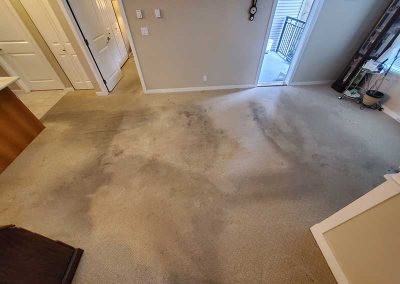
Real Results
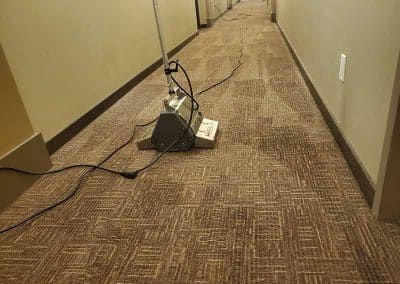
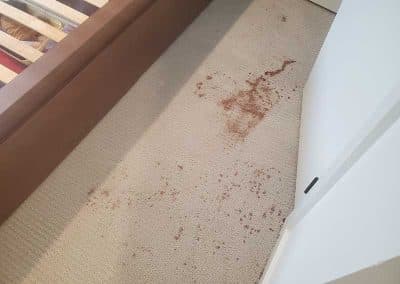
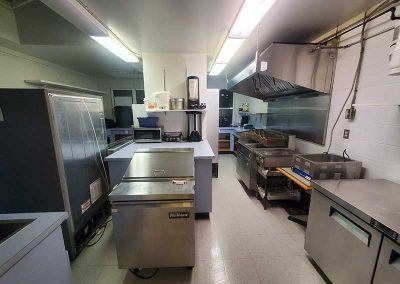
We take tremendous pride in the results we deliver for our clients. The photos speak for themselves.




Why Choose Us
Business License, Criminal Record Check, Trained Technicians, Professional Tools, Professional Solutions, Better Results and Quality, Transparent Pricing and no Hidden Fees, Health Benefits, Professional Operation of Tools, Mobi Cleaning Difference, Flexible Scheduling, On-Time, Maintenance, Great Competitive Value, Customer Satisfaction Focused, IICRC Trained, Green Cleaning, Reputation, Property Protection, Fast Drying Carpets, 100 Percent Satisfaction Guarantee, Experience, Professional Processes, First-Class Service, Fast Response Time, Free Consultation and Estimates, Competitive Pricing and Dedicated Account Manager