










How to Get Stains Out of a Tablecloth: 12 Easy Tips
We’ve all been there—hosting a dinner party in Vancouver, a family gathering in Victoria, or a holiday meal in Kelowna that ends with a ruined tablecloth. Whether it’s an Okanagan red wine spill, a greasy food stain, or a splash of tomato sauce, getting these marks out can be tough.
At mobicleaning.ca, we know how frustrating it is when your favorite linens get ruined. We’ve put together this expert West Coast guide to show you the best ways to remove tough stains from your tablecloths and fabric placemats.
Identify the Type of Stain
The first step in stain removal is knowing what kind of spill you are dealing with. Different spills require different cleaning methods.
Here are the most common stains found on tablecloths in British Columbia homes:
Grease and oil stains
Grease stains, like those from wild BC salmon dishes, salad dressings, or melted butter, stick to fabric because oil bonds tightly with the threads. These dark spots can spread quickly, making them hard to remove if you don’t treat them right away.
Wine and coffee stains
Red wine spills from the Okanagan Valley and dark drinks like coffee or tea are famous for leaving deep, ugly marks. The natural dyes in these liquids soak into the fabric fast, which makes them a huge challenge to clean if they sit too long.
Food stains
Tomato sauce, fresh BC berries, mustard, and chocolate are the most common culprits for food stains. These cause heavy discoloration because of the strong pigments and oils in the food, meaning you need to treat them quickly and carefully.
Ink stains
Ink stains from pens or markers are incredibly tough to get out because ink is made to be permanent. These marks really stand out on light-colored or white tablecloths and usually take a few tries to fully lift.
Dried, set-in stains
Set-in stains are old marks that have already dried or gone through the dryer, bonding deeply with the fabric. While they take a lot more work, using the right BC home cleaning tricks can often fade them or completely remove them.
Knowing what kind of stain you have helps you choose the right stain remover, so you can get the best results without damaging your laundry.
Visit mobicleaning.ca for more professional fabric care and house cleaning tips.
Act Fast to Stop the Stain
The most important rule of stain removal is to treat the spill as soon as it happens at the table. The longer a stain sits, the harder it is to wash out.
Here is what our professional cleaning crew recommends for quick action:
- Blot, Don’t Rub: Your first reaction might be to scrub the spill, but rubbing pushes it deeper into the fabric and spreads it out. Instead, gently press the spot with a clean microfiber cloth or paper towel to soak up the liquid.
- Flush with Cold Water: For most food and drink spills, run cold tap water through the back of the fabric. Rinsing from the underside pushes the stain out of the fabric instead of deeper into it.
- Pre-Treat with Soap: Put a few drops of liquid dish soap or eco-friendly laundry detergent directly onto the spot. Let it sit for 15 minutes before throwing it in the washing machine to loosen up the stain.
Taking quick action is the secret to saving your expensive table linens and ensuring the spot comes out completely.
How to Get Red Wine and Coffee Stains Out
Okanagan red wine spills can cause total panic during dinner, but you can fix it. Here is how to clean red wine stains effectively:
- Blot and Rinse: Immediately soak up the extra wine with a paper towel. Remember, do not scrub!
- The Salt Trick: After blotting, pour a heavy layer of table salt over the wet stain. The salt absorbs the liquid and pulls the red color right out of the fabric. Let the salt sit for a few minutes, then rinse it out with cold water.
- White Vinegar and Dish Soap: If the spot is still there, mix one tablespoon of white vinegar and one tablespoon of liquid dish soap with two cups of warm water. Dab the mixture onto the stain with a sponge, then blot until the red marks disappear.
- Wash: Once the stain is mostly gone, wash the tablecloth in the washing machine on a cold cycle using a good stain-remover detergent.
For daily coffee and tea stains in your kitchen:
- Immediate Blotting: Soak up the dark puddle with a paper towel right away.
- Baking Soda Paste: Mix baking soda and water together to make a thick paste and spread it over the coffee stain. Let it dry for 30 minutes, then rinse it with cold water.
- Vinegar and Soap: For stubborn, dried coffee rings, rub a mix of household vinegar and dish soap onto the spot before washing it.
How to Get Grease and Oil Stains Out
Oil stains are tricky because grease doesn’t dissolve in water and binds tightly to both cotton and synthetic fabrics.
Here is our pro method to remove grease stains from clothes and tablecloths:
- Soak up Extra Oil: Use a clean paper towel to gently dab away any extra grease on the surface. Do this lightly so you don’t spread the oil stain.
- Cornstarch or Baking Soda: Sprinkle cornstarch or baking soda generously over the oily spot. Let it sit for 15 minutes to draw out the grease, then gently brush the powder away.
- Liquid Dish Soap: Put a few drops of grease-cutting dish soap (like Dawn) directly on the stain. Gently rub it in with a soft cloth and let it sit for 15 minutes to break down the oil.
- Rinse and Launder: Rinse the soap out with cold water, then wash the tablecloth in warm water. Always check if the grease spot is completely gone before putting it in the clothes dryer; dryer heat will bake the oil into the fabric permanently.
For old grease stains that have already been washed and dried, you will need to repeat this exact dish soap process a few times to fully break down the old oil residue.
How to Get Stains Out of a Tablecloth: 12 Easy Tips
We’ve all been there—hosting a dinner party in Vancouver, a family gathering, or a holiday meal that ends with a ruined tablecloth. Whether it’s an red wine spill, a greasy food stain, or a splash of tomato sauce, getting these marks out can be tough.
At mobicleaning.ca, we know how frustrating it is when your favorite linens get ruined. We’ve put together this expert West Coast guide to show you the best ways to remove tough stains from your tablecloths and fabric placemats.
Identify the Type of Stain
The first step in stain removal is knowing what kind of spill you are dealing with. Different spills require different cleaning methods.
Here are the most common stains found on tablecloths in British Columbia homes:
Grease and oil stains
Grease stains, like those from wild BC salmon dishes, salad dressings, or melted butter, stick to fabric because oil bonds tightly with the threads. These dark spots can spread quickly, making them hard to remove if you don’t treat them right away.
Wine and coffee stains
Red wine spills from the Okanagan Valley and dark drinks like coffee or tea are famous for leaving deep, ugly marks. The natural dyes in these liquids soak into the fabric fast, which makes them a huge challenge to clean if they sit too long.
Food stains
Tomato sauce, fresh BC berries, mustard, and chocolate are the most common culprits for food stains. These cause heavy discoloration because of the strong pigments and oils in the food, meaning you need to treat them quickly and carefully.
Ink stains
Ink stains from pens or markers are incredibly tough to get out because ink is made to be permanent. These marks really stand out on light-colored or white tablecloths and usually take a few tries to fully lift.
Dried, set-in stains
Set-in stains are old marks that have already dried or gone through the dryer, bonding deeply with the fabric. While they take a lot more work, using the right BC home cleaning tricks can often fade them or completely remove them.
Knowing what kind of stain you have helps you choose the right stain remover, so you can get the best results without damaging your laundry.
Visit mobicleaning.ca for more professional fabric care and house cleaning tips.
Act Fast to Stop the Stain
The most important rule of stain removal is to treat the spill as soon as it happens at the table. The longer a stain sits, the harder it is to wash out.
Here is what our professional cleaning crew recommends for quick action:
- Blot, Don’t Rub: Your first reaction might be to scrub the spill, but rubbing pushes it deeper into the fabric and spreads it out. Instead, gently press the spot with a clean microfiber cloth or paper towel to soak up the liquid.
- Flush with Cold Water: For most food and drink spills, run cold tap water through the back of the fabric. Rinsing from the underside pushes the stain out of the fabric instead of deeper into it.
- Pre-Treat with Soap: Put a few drops of liquid dish soap or eco-friendly laundry detergent directly onto the spot. Let it sit for 15 minutes before throwing it in the washing machine to loosen up the stain.
Taking quick action is the secret to saving your expensive table linens and ensuring the spot comes out completely.
How to Get Red Wine and Coffee Stains Out
Okanagan red wine spills can cause total panic during dinner, but you can fix it. Here is how to clean red wine stains effectively:
- Blot and Rinse: Immediately soak up the extra wine with a paper towel. Remember, do not scrub!
- The Salt Trick: After blotting, pour a heavy layer of table salt over the wet stain. The salt absorbs the liquid and pulls the red color right out of the fabric. Let the salt sit for a few minutes, then rinse it out with cold water.
- White Vinegar and Dish Soap: If the spot is still there, mix one tablespoon of white vinegar and one tablespoon of liquid dish soap with two cups of warm water. Dab the mixture onto the stain with a sponge, then blot until the red marks disappear.
- Wash: Once the stain is mostly gone, wash the tablecloth in the washing machine on a cold cycle using a good stain-remover detergent.
For daily coffee and tea stains in your kitchen:
- Immediate Blotting: Soak up the dark puddle with a paper towel right away.
- Baking Soda Paste: Mix baking soda and water together to make a thick paste and spread it over the coffee stain. Let it dry for 30 minutes, then rinse it with cold water.
- Vinegar and Soap: For stubborn, dried coffee rings, rub a mix of household vinegar and dish soap onto the spot before washing it.
How to Get Grease and Oil Stains Out
Oil stains are tricky because grease doesn’t dissolve in water and binds tightly to both cotton and synthetic fabrics.
Here is our pro method to remove grease stains from clothes and tablecloths:
- Soak up Extra Oil: Use a clean paper towel to gently dab away any extra grease on the surface. Do this lightly so you don’t spread the oil stain.
- Cornstarch or Baking Soda: Sprinkle cornstarch or baking soda generously over the oily spot. Let it sit for 15 minutes to draw out the grease, then gently brush the powder away.
- Liquid Dish Soap: Put a few drops of grease-cutting dish soap (like Dawn) directly on the stain. Gently rub it in with a soft cloth and let it sit for 15 minutes to break down the oil.
- Rinse and Launder: Rinse the soap out with cold water, then wash the tablecloth in warm water. Always check if the grease spot is completely gone before putting it in the clothes dryer; dryer heat will bake the oil into the fabric permanently.
For old grease stains that have already been washed and dried, you will need to repeat this exact dish soap process a few times to fully break down the old oil residue.
How to Remove Tough Food Stains
Food stains from bright, colorful dishes like fresh BC berry desserts or rich pasta sauces can feel impossible to remove. Taking the right steps can completely restore your valuable table linens to their original condition.
Tomato Sauce Stains
- Scrape excess sauce: Use a blunt butter knife to gently lift any thick sauce from the fabric.
- Flush with cold water: Rinse the spot under cold tap water from the back of the cloth to push the red sauce out of the threads.
- Apply liquid soap: Rub dish soap or laundry detergent directly onto the spot, then rinse again.
- Soak in vinegar: For stubborn spots, mix one part white vinegar with two parts cold water and soak for 30 minutes before washing.
BC Berry Stains
- Soak in cold water: Submerge the stained area in a basin of cold water for 30 to 60 minutes.
- Mix a vinegar solution: Combine one tablespoon of liquid dish soap and two tablespoons of white vinegar.
- Apply and rest: Dab the mixture directly onto the blueberry, blackberry, or raspberry stain and let it sit for 10 minutes.
- Wash normally: Launder the tablecloth on your usual wash cycle.
Chocolate Stains
- Scrape the surface: Carefully lift away any dried or excess chocolate chunks.
- Cold water flush: Run cold water through the underside of the fabric.
- Pre-treat and soak: Apply laundry stain remover or Dawn dish soap, then soak the cloth in warm water mixed with laundry detergent for 30 minutes before washing.
These methods work wonders on fresh food spills, but old or dried stains might need a few repeated treatments to disappear completely.
Ink Stains: A Different Challenge
Ink stains from pens or markers are tough because ink formulas are designed to be permanent.
- Blot with rubbing alcohol: Pour isopropyl alcohol onto a clean cloth and gently dab the ink spot, being careful not to rub or spread the ink.
- Work in dish soap: Once the alcohol lifts the bulk of the pigment, apply liquid dish soap directly to the spot and work it gently into the threads.
- Rinse with cold water: Flush the area with cold water, repeating the alcohol and soap process if you still see dark ink lines.
- Use commercial remover: For stubborn permanent markers, try a specialized commercial ink lifter.
How to Clean Dried, Set-In Stains
Set-in stains are old marks that have bonded tightly with the fabric fibers over time or from the high heat of a clothes dryer. They take more work, but they are not impossible to clean.
- Vinegar soak: Submerge the stained section of your linen in a mix of vinegar and water for a few hours to loosen the bond.
- Baking soda paste: Mix baking soda and water into a thick sludge, spread it directly over the spot, and let it sit for 30 minutes before rinsing.
- Hydrogen peroxide tip: For incredibly stubborn protein or food marks, dab a small amount of hydrogen peroxide onto the spot. Always test an inconspicuous area first, as peroxide can bleach colored fabrics.
Preventative Tips for Stainless Linens
Keeping stains off your fabric in the first place saves you tons of time in the laundry room.
- Use table protectors: Place thick heat pads or fabric placemats under plates to catch spills before they hit the main tablecloth.
- Act immediately: Never let a dinner spill sit overnight; tackle it the moment your guests leave.
- Wash regularly: Wash your linens shortly after use to keep dust and everyday grime from locking light spills into the fabric.
- Check before drying: Air-dry your tablecloths or inspect them closely out of the wash. If a stain is still visible, the heat of the clothes dryer will bake it in permanently.
Best Stain Removers to Keep in Your Laundry Room
You do not need expensive chemicals to fix your laundry mistakes. These basic household items work best:
- Liquid Dish Soap: Excellent for cutting through grease, oil, and fatty food spills like wild BC salmon or buttery sauces.
- White Vinegar: A natural acid that breaks down bright pigments from fruits, vegetables, and drinks.
- Baking Soda: Perfect for drawing out fresh oil pools and scrubbing away lingering odors.
- Hydrogen Peroxide: A powerful cleaner for tough protein spots, older food marks, and blood stains.
- Commercial Stain Removers: Heavy-duty spray treatments like OxiClean or Shout are highly effective for everyday laundry maintenance.
Tablecloth Stain Removal Reference Guide
Keep this quick cheat sheet handy for your next laundry day to match the right cleaning method to your specific spill:
- Okanagan Red Wine: Blot the puddle, cover with salt, flush, apply white vinegar and dish soap, then wash.
- Coffee & Tea: Blot immediately, apply a thick baking soda paste, treat with vinegar and soap, then wash.
- Grease & Oil: Blot extra grease, sprinkle with cornstarch or baking soda, scrub with dish soap, and rinse.
- Tomato Sauce: Scrape excess, flush with cold water, rub with dish soap, soak in vinegar, and launder.
- Berry Stains: Soak in cold water for an hour, apply a dish soap and vinegar mix, then run through the wash.
- Chocolate: Scrape chunks, flush with cold water, pre-treat with soap, soak in warm soapy water, and launder.
- Ink Pens: Blot gently with rubbing alcohol, apply liquid soap, rinse with cold water, and repeat.
- Set-In Stains: Soak for hours in vinegar water, apply a thick baking soda paste, spot-treat with peroxide, and repeat.
Proper Tablecloth Care and Fabric Storage
Properly maintaining and storing your dining room linens keeps them looking crisp, bright, and free of yellow spots for years.
Safe Storage Habits
Once your tablecloth is completely clean and dry, fold it neatly and store it in a cool, dry closet. Given the humid coastal air in places like Vancouver, Richmond, and Vancouver Island, keeping linens away from damp environments prevents moisture buildup, which quickly causes mildew, mold, and sour smells. Avoid keeping them in damp basements or unheated storage chests.
Protect from Sunlight
Prolonged exposure to direct UV rays through large West Coast windows fades fabric dyes and yellows white linens. Store your premium cloths inside a dark linen closet, a dresser drawer, or a covered storage box where daylight cannot reach them.
Refresh with Linen Sprays
Before laying out your cloth for a dinner party, a quick, light mist of a lavender or clean linen fabric spray adds a welcoming touch to the room. Always ensure the spray formula is safe for your specific fabric type (like linen, cotton, or polyester) so it does not leave water rings.
When to Call a Professional Cleaning Service
If you have tried every trick in the book and that dark wine or oil spot still will not budge, save yourself the frustration and call in professional cleaners.
At mobicleaning.ca, we provide professional, top-tier home cleaning and property maintenance services across British Columbia, serving communities from the Lower Mainland to the Interior. Our experienced teams have the professional tools and stain-removal expertise needed to carefully clean delicate fabrics, sanitize household surfaces, and keep your home or short-term vacation rental looking pristine.
Let us handle the deep cleaning and tough stains so you can focus on hosting memorable dinner parties and enjoying your guests without worrying about the cleanup!
Call Us
778.801.8595
SEND US AN EMAIL
book@mobicleaning.ca
Text Us
778.801.8595
Contact Us For Cleaning Services
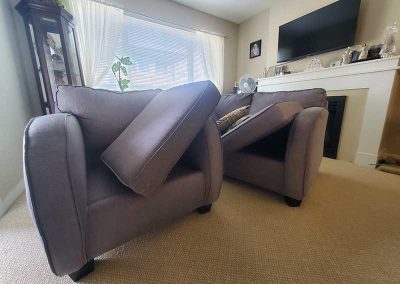
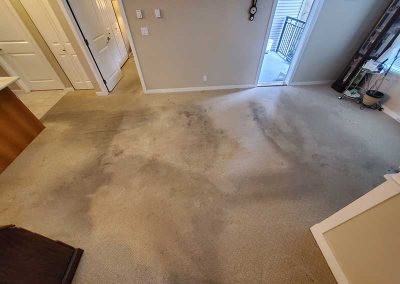
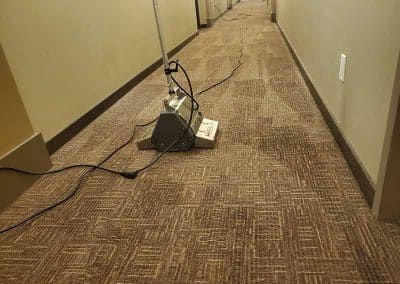
Real Results
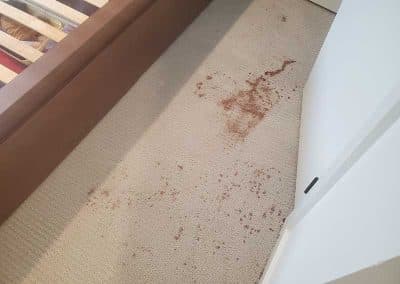
We take tremendous pride in the results we deliver for our clients. The photos speak for themselves.


Why Choose Us
Business License, Criminal Record Check, Trained Technicians, Professional Tools, Professional Solutions, Better Results and Quality, Transparent Pricing and no Hidden Fees, Health Benefits, Professional Operation of Tools, Mobi Cleaning Difference, Flexible Scheduling, On-Time, Maintenance, Great Competitive Value, Customer Satisfaction Focused, IICRC Trained, Green Cleaning, Reputation, Property Protection, Fast Drying Carpets, 100 Percent Satisfaction Guarantee, Experience, Professional Processes, First-Class Service, Fast Response Time, Free Consultation and Estimates, Competitive Pricing and Dedicated Account Manager