


















How to Get Cranberry Stains Out of Carpet and Fabric The Ultimate DIY Stain Removal Guide
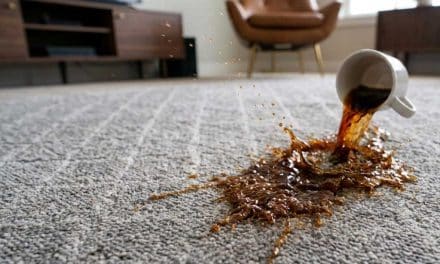
Anyone who has ever hosted a festive gathering across British Columbia knows exactly how challenging it is to extract cranberry stains from carpets. Cranberry sauce is a seasonal holiday favorite, adding that ideal tangy-sweet flavor profile to your Thanksgiving or Christmas long weekend feasts. However, when it accidentally splatters onto upholstered dining room chairs, fine fabric tablecloths, or living room rugs, a joyous family dinner can instantly feel like a property maintenance emergency.
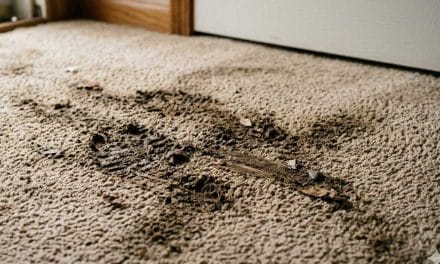
Red berry blemishes are notoriously stubborn to remediate because their deep, dark organic pigments lock into structural fibers if you fail to act immediately. At Mobi Cleaning Canada, we understand how frustrating it is to confront these resilient spots, particularly during the chaotic winter hosting season. That is why we engineered this definitive guide to show you precisely how to remove cranberry stains step by step. Whether you are dealing with a fresh liquid spill or a dried-on sauce patch on couch fabrics or carpets, we provide the expert tips and practical home care advice needed to keep your property looking its absolute best.
Why Rich Red Stains Are So Complex to Clean
Before diving into our active remediation protocols, it is important to analyze why cranberry juice and fruit sauces present such a heavy challenge for standard housekeeping methods. Cranberries are saturated with natural organic compounds known as tannins, which chemically fuse to textile fibers upon contact. While these tannins establish the fruit’s vibrant red hue, they also behave like an aggressive natural fabric dye, making immediate extraction highly difficult.
The longer a pigment dwell period you allow, the deeper it integrates into your carpet backing, making rapid intervention essential. Fortunately, there is no need to panic! Equipped with the proper strategic approach and a bit of physical patience, you can successfully pull red juice and organic fruit stains out of almost any household surface. Let’s begin the restoration process.
Extracting Fresh Cranberry Spills from Upholstery and Garments
When cranberry sauce or pure juice drops onto your fine upholstered dining chairs, cotton tablecloths, or delicate apparel, immediate stabilization is critical. Follow this comprehensive guide on how to lift berry stains from clothes and textiles before the pigments cure permanently into the yarn.
Step 1: Execute Controlled Surface Blotting
First and foremost—retrieve a clean, white microfiber cloth or a plain paper towel and gently press down on the spill to absorb the excess fluid. Completely avoid rubbing, friction-wiping, or scrubbing, as these movements push the liquid pigments deeper into the carpet pile and twist the fabric fibers. Instead, blot systematically from the outer edges of the blemish toward the center to stop the red border from expanding outward.
Step 2: Formulate an Advanced Eco-Friendly Spotter
Next, blend a highly effective DIY cleaning solution using simple, grease-cutting agents already sitting inside your kitchen cabinet:
- 60 milliliters (approximately 1/4 cup) of distilled white vinegar
- 15 milliliters (approximately 1 tablespoon) of liquid laundry detergent or concentrated dish soap
- 180 milliliters (approximately 3/4 cup) of warm distilled water
Combine these ingredients inside a clean plastic spray canister and shake vigorously to emulsify the mixture.
Step 3: Target the Fibers with Your Carpet Cleaner
Mist your customized homemade cleaning compound directly onto the red stain. Allow the mixture to dwell undisturbed for 10 to 15 minutes, granting the organic acids sufficient time to penetrate the weave and break down the stubborn red food pigments.
Step 4: Absorb the Dissolved Red Pigments
Once the dwell period finishes, blot the target area a second time with a clean, damp towel to capture the loosened fruit sugars and dyes. Follow up immediately with a thick, dry towel to draw out the remaining moisture. You may need to cycle through this application and extraction sequence several times until the red coloration transfers completely off your furniture and onto your cloth.
Step 5: Flush with Clean Water and Dry
The moment the visible stain vanishes, flush the localized zone with a minimal amount of pure, cold water to rinse away any sticky surfactant soap residues left behind by your spotter. Blot the area heavily with a fresh dry towel until the textile is as bone-dry as possible.
How to Lift Dried Cranberry Build-Up from Couch Fabrics
Occasionally, hidden cranberry spills escape notice until they have fully dried, hardened, and cured into your living room sectionals or fine linens over a hectic holiday weekend. While set-in stains present a higher technical difficulty, you can still entirely remove them with the proper sequential methodology.
Step 1: Mechanically Scrape Away Hardened Residue
If the fruit sauce has dried into a crust, use the edge of a blunt butter knife or a metal spoon to gently scrape off as much of the hardened surface debris as possible. Exercise extreme caution during this step to avoid snagging delicate upholstery weaves or tearing the carpet pile.
Step 2: Rehydrate the Area with Your Stain Remover
Utilize the exact vinegar-and-soap cleaning formula detailed in the section above. Spray the dried stain generously, allowing the solution to dwell for 10 to 15 minutes. For deeply embedded or older holiday blemishes, extend the soaking period up to 30 minutes to fully rehydrate the organic matter and loosen the fiber bond.
Step 3: Gently Agitate the Fiber Matrix
After the solution has thoroughly rehydrated the spot, deploy a soft-bristled utility brush (an old toothbrush works perfectly) to gently agitate the fibers. This mechanical movement helps detach the stubborn tannins from the yarn shafts. Maintain exceptionally light pressure to avoid fraying or fuzzing the material.
Step 4: Final Blotting and Pure Water Rinsing
Blot the area firmly with a damp cloth to draw up the suspended cranberry debris, then follow up with a dry towel to extract the dirty moisture. Flush the spot with clean water to remove chemical residues, and blot dry once more. Repeat these steps sequentially until your upholstery fabric is completely restored.
Advanced Extraction Protocols for Heavy-Traffic Carpets
Textile floor coverings present a unique challenge when confronting highly pigmented organic fluids. However, utilizing a disciplined, localized extraction approach allows you to dissolve and lift even the most resilient red blemishes.
Step 1: Execute Direct Capillary Absorption
The instant an organic berry fluid, sauce, or jelly makes contact with your floor, compress a sterile white paper towel or an untreated microfiber cloth firmly over the spill. Always execute this compression from the outer boundaries of the blemish toward the center to avoid spreading the bright red pigment into unaffected yarn networks.
Step 2: Formulate a Fiber-Safe Solvent Mixture
For synthetic and wool residential carpets, we recommend creating a rapid-evaporating, non-residue spot cleaner:
- 160 milliliters (approximately 2/3 cup) of isopropyl rubbing alcohol
- 15 milliliters (approximately 1 tablespoon) of plain white distilled vinegar
Pour these components directly into a clean plastic spray canister and shake to ensure an even chemical blend.
Step 3: Administer the Solution Uniformly
Mist the rubbing alcohol and acetic acid compound directly over the target zone and allow the formula a dwell period of 5 to 10 minutes. This chemical resting cycle works to break down the natural red plant dyes without degrading your secondary carpet backing or melting synthetic yarn structures.
Step 4: Press, Blot, and Cycle the Extraction
Apply firm downward pressure onto the treated pile using a fresh section of your white textile rag, pulling the dissolved cranberry molecules out of the carpet core. For deeply saturated or stubborn food stains, expect to repeat this misting and dabbing sequence several times. Always rotate your cloth to an unused, dry area to prevent re-depositing the extracted berry sugars back onto the floor.
Step 5: Flush the Matrix and Execute Weighted Mopping
Once the red shadow completely dissipates, rinse the localized area by dabbing it with minimal amounts of clean, cold water, then blot the remaining fluid away. To achieve optimal results, place a fresh, dry towel directly over the damp patch and weigh it down using a heavy object, such as a stack of books, for several hours. This technique draws up latent subfloor moisture and prevents the underlying carpet pad from becoming waterlogged.
Removing Intricate Cranberry Spills from Sofa Upholstery
Furniture textiles require specialized, low-moisture care due to their delicate weave structures. It is absolutely essential to approach couch and armchair spills with patience and precision.
Step 1: Instantly Stabilize the Fluid Spill
Mirroring your carpet care protocol, initiate remediation by pressing a clean, white cloth directly into the upholstered blemish. Completely avoid friction scrubbing or lateral wiping across the fabric face; directional friction will immediately drive the red berry pigments deeper into the structural weave of the furniture.
Step 2: Deploy a Low-pH Botanical Surfactant Cleaner
For upholstered living room pieces, utilize the mild kitchen cleaning solution outlined previously: combine 60 milliliters (1/4 cup) of distilled white vinegar, 15 milliliters (1 tablespoon) of liquid laundry detergent or grease-cutting dish soap, and 180 milliliters (3/4 cup) of warm water. Mist this mild soapy compound lightly over the affected upholstery face.
Step 3: Gently Lift the Organic Tannins
Allow the surfactant spray to dwell on the textile for 10 to 15 minutes to break the molecular bond of the fruit tannins, then gently dab the area with a clean, damp towel. Follow up instantly with a dry cloth to draw out excess moisture, preventing the formation of permanent water rings on the fabric.
Step 4: Execute Secondary Applications for Set-In Stains
If a faint red outline persists, repeat the application and extraction sequence until the fabric returns to its original condition. For older, dried-on holiday blemishes that resist household treatments, procure a specialized retail upholstery stain remover from a local BC home improvement center, ensuring you follow the safety guidelines on the manufacturer’s label precisely.
Proactive DIY Stain Remediation Rules from the Pros
Incorporate these highly effective tips from our field technicians to ensure your seasonal property maintenance is flawless:
- Intervene Immediately: The narrower the window between the initial spill and your treatment, the higher your statistical success rate for extracting the pigment completely on your own.
- Execute an Inconspicuous Patch Test: Always verify your homemade spotter or commercial cleaner on a hidden zone of the material (such as the back hem of a cushion or a closet corner) to guarantee it will not bleach or strip the factory fabric dyes.
- Strictly Avoid Thermal Heat: Applying hot or boiling water will cook the organic fruit sugars, permanently setting the red tannins into the textile matrix. Utilize only cold or lukewarm water when treating dark fruit spills.
- Compress, Never Rub: Lateral friction breaks down the structural twist of carpet yarns and locks the red dyes deep into the backing. Always apply vertical pressure from the outside margins inward.
- Utilize Only Untreated White Cloths: Using dyed towels or patterned paper products can trigger a secondary dye transfer onto your wet floor, creating a much more complex staining problem to resolve.
What to Do If a Stubborn Red Stain Refuses to Release
If you have executed every DIY cleaning hack and that vivid red cranberry spot still refuses to budge from your floor, do not worry—the team at Mobi Cleaning Canada is always ready to step in. Deep-set holiday spills frequently demand industrial-grade extraction systems to prevent permanent discoloration of your residential carpets or delicate upholstery fabrics.
Mobi Cleaning’s professional carpet and upholstery cleaning services leverage advanced, truck-mounted hot water extraction units alongside eco-friendly, commercial stain-release agents to completely dissolve the toughest holiday spots. Furthermore, our specialized fabric protection treatments seal fibers to actively repel future liquid and grease spills, giving you absolute peace of mind through the busy holiday season and beyond.
When in Doubt, Rely on Certified BC Technical Experts
At Mobi Cleaning Canada, we are fully dedicated to keeping your British Columbia property looking beautiful, immaculate, and fresh through every changing season. Whether you are battling a stubborn holiday cranberry spill that won’t release or want to safeguard your home’s high-traffic corridors from future accidental messes, our local technicians possess the hands-on expertise and top-tier industrial equipment needed to conquer any home maintenance challenge, big or small.
For comprehensive strategies on keeping your property spotless, explore our full online Spot Removal Guide, or call our local office to lock in your professional carpet deep steam clean today. We help you enjoy your long weekends without ever stressing over stubborn stains!
Call Us
778.801.8595
SEND US AN EMAIL
book@mobicleaning.ca
Text Us
778.801.8595
Contact Us For Cleaning Services
Real Results
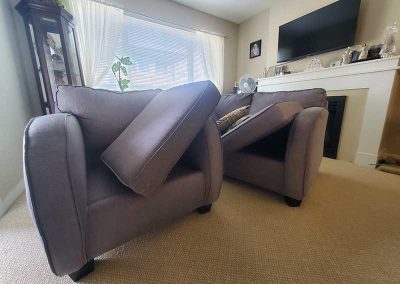
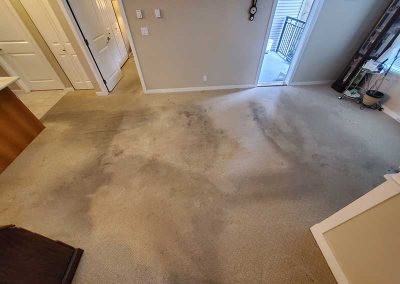
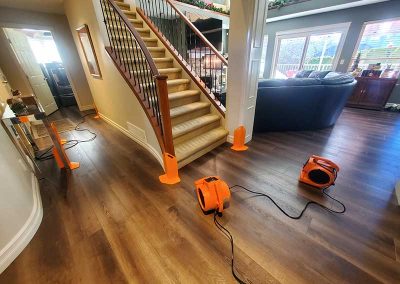
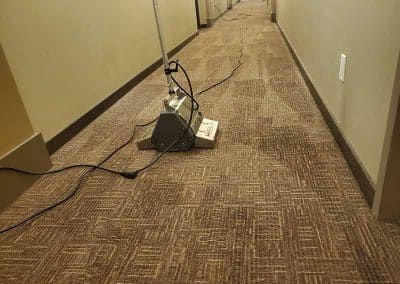
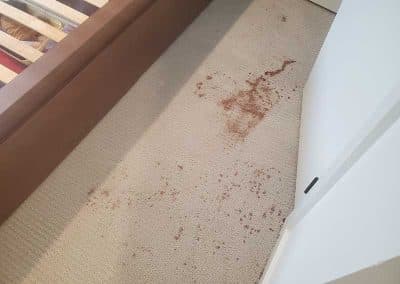
We take tremendous pride in the results we deliver for our clients. The photos speak for themselves.

Why Choose Us
Business License, Criminal Record Check, Trained Technicians, Professional Tools, Professional Solutions, Better Results and Quality, Transparent Pricing and no Hidden Fees, Health Benefits, Professional Operation of Tools, Mobi Cleaning Difference, Flexible Scheduling, On-Time, Maintenance, Great Competitive Value, Customer Satisfaction Focused, IICRC Trained, Green Cleaning, Reputation, Property Protection, Fast Drying Carpets, 100 Percent Satisfaction Guarantee, Experience, Professional Processes, First-Class Service, Fast Response Time, Free Consultation and Estimates, Competitive Pricing and Dedicated Account Manager