


How to Get Rid of Mold DIY Mold Removal and Remediation Guide
Across British Columbia, our damp coastal winters, torrential seasonal rainfall, and elevated humidity thresholds provide the ideal breeding matrix for an aggressive indoor contaminant: mold. If you have uncovered fungal development inside your property, your immediate focus is likely determining how to execute safe, effective mold remediation yourself. While property owners can independently manage minor, surface-level outbreaks, it is absolutely essential to recognize the distinct fungal strains you are dealing with and how to eliminate them safely.
To help you protect your real estate investment, here is a technical overview of the most prevalent mold varieties colonizing BC households:
Common Categorizations of Residential Mold
Cladosporium
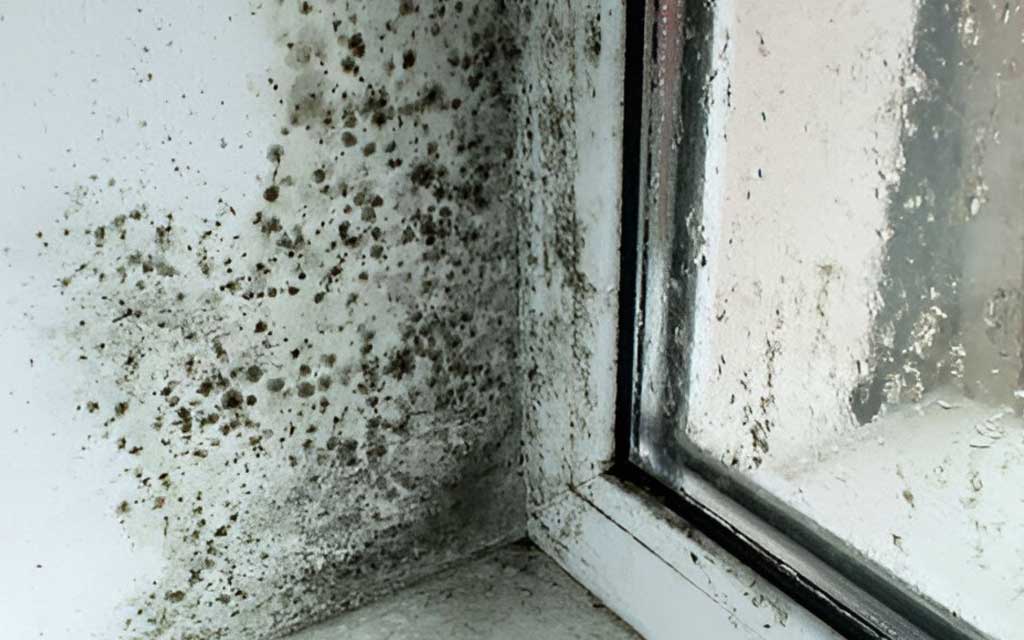
This specific fungal genus routinely colonizes structural timber, textile carpets, and porous fabrics. Presenting as a dark olive-green or black film, it spreads rapidly across unventilated, high-moisture zones such as Lower Mainland crawlspaces, damp basements, or older bathroom enclosures lacking mechanical ventilation.
Penicillium
Easily identified by its distinct blue or teal coloration, this aggressive mold variant targets starch-rich materials including fiberglass insulation, vinyl wallpaper, and moisture-saturated carpets that have been subjected to hidden plumbing line leaks.
Aspergillus
Displaying a broad spectrum of white, yellow, or powdery green hues, this strain frequently takes root across moisture-compromised drywall sheets, wallpaper backings, and stored seasonal clothing. Because its airborne spores are known to trigger immediate respiratory irritation, it must be approached with extreme caution.
Stachybotrys chartarum (Toxic Black Mold)
This represents the notorious, toxigenic black mold variety capable of releasing hazardous mycotoxins directly into your indoor breathing zones. It requires prolonged, continuous saturation and water-logged substrates to colonize, typically embedding itself into structural wood framing, acoustic ceiling tiles, and gypsum board following severe plumbing blowouts, roof system failures, or seasonal basement flooding events. This highly hazardous pathogen requires professional mold inspection, laboratory testing, and industrial abatement.
Within our wet Pacific Northwest climate zone, fungal colonies can manifest anywhere relative humidity spikes. Common structural hotspots include:
- Restroom Facilities: Porous tile grout channels, wood window frames, and structural silicone caulking surrounding shower pans and bathtubs.
- Basements and Subgrade Crawlspaces: Bare concrete foundation walls, wooden subfloor sheeting, and perimeter rim joists that lack proper vapor barrier membranes.
- Kitchen Environments: Internal sink base cabinets, single-pane aluminum window tracks, and the dark, stagnant wall spaces behind refrigerators.
- Roof Attics: Main timber rafters, plywood roof sheathing, and fiberglass insulation batts where ridge or soffit ventilation pathways are blocked.
- Window Ledges: Wooden sash frames that accumulate heavy structural condensation during freezing BC winter months.
DIY Mold Abatement vs. Hiring a Certified BC Remediation Specialist
Accurately evaluating when to attempt a DIY cleanup and when to deploy certified mold remediation services is vital for shielding your family’s health and preserving your home’s equity.
Parameters for Independent DIY Cleanup:
- Localized Infestations (Under 10 Square Feet): If the affected surface footprint is small—roughly equivalent to a standard bathroom rug—and strictly isolated to non-porous building materials like ceramic tile, glass sheets, or sealed, painted trim, you can generally remediate the area independently using appropriate safety protocols.
- Surface-Level Mildew Accumulation: Fungal growth sitting on completely non-porous surfaces like glazed porcelain tile can be safely wiped down and neutralized with minimal effort.
- Fully Exposed and Unobstructed Outbreaks: If you can easily view, access, and clean the entire fungal colony without cutting through structural drywall or disturbing building cavities, a DIY approach is a viable property maintenance option.
Parameters for Booking Professional Intervention:
- Extensive Encroachment (Over 10 Square Feet): Widespread, deep-set mold infestations pose significant airborne health hazards and demand commercial-grade containment barriers, negative-pressure air scrubbers, and specialized biocides.
- Furnace Plenum and HVAC Duct Networks: Fungal colonies hidden inside your heating, ventilation, and air conditioning tracks will blast millions of spores throughout your living spaces the moment your furnace kicks on. This dangerous scenario must only be remediated by licensed duct sanitization specialists.
- Severe Structural Water Intrusions: If the mold outbreak originates from a major flash flood, burst water main, or raw sewage backup, bypass DIY methods and call an emergency remediation company immediately.
- Confirmed Toxic Black Mold: As detailed previously, Stachybotrys chartarum demands specialized, multi-stage industrial abatement protocols to guarantee safe, legal extraction without cross-contaminating your property.
- Elevated Health Risks: If any occupant in your household manages asthma, severe respiratory allergies, or compromised immune systems, it is far safer to leave the chemical containment and cleaning to certified professionals.
Our Professional Standpoint
At Mobi Cleaning Canada, your family’s physical health and indoor air safety remain our top priorities. While retail scrubbers can successfully clear minor bathroom cosmetic mildew, professional mold remediation ensures the underlying moisture source is diagnosed and the latent airborne spores are permanently eradicated. Our teams utilize industry-standard restoration gear—including HEPA-equipped negative-air machinery and physical poly-containment cells—to keep your indoor living spaces perfectly safe.
Explore the full scope of Mobi Cleaning’s comprehensive property maintenance and structural care solutions, or request a transparent, free project estimate by visiting our dedicated platform at mobicleaning.ca today!
Preparing the Abatement Zone: Critical Safety Standards
If you choose to execute a localized DIY mold removal project, shielding your respiratory system from drifting spores is your absolute most critical step. Agitating or scrubbing dry mold structures will instantly release millions of microscopic spores directly into your breathing zone.
Mandatory Personal Protective Equipment (PPE) Matrix
- Sealed Chemical Splash Goggles: Always wear impact-resistant safety goggles that form an airtight, contoured seal against your face to protect your eyes from floating fungal particles and chemical overspray.
- Heavy-Duty Chemical Gloves: Protect your skin by donning long rubber, nitrile, or neoprene utility gloves that extend past your wrists to block contact with active spores and caustic cleaning solvents.
- HEPA-Rated Respirator Protection: Utilizing a properly fitted N95 or HEPA-rated half-face respirator mask is mandatory to prevent your lungs from inhaling hazardous microscopic organisms.
- Disposable Protective Coveralls: Wear old garments that can be laundered in hot water immediately following the clean, or purchase disposable Tyvek protective suits that can be safely bagged and discarded.
Structural Environmental Containment Protocols
- Isolate the Workspace: Completely seal off the remediation room from the rest of your home’s footprint. Use heavy-duty plastic sheeting and painter’s tape to build physical barriers over all doorways, open electrical outlets, and HVAC supply registers.
- Establish Negative Air Pressure: Mount a high-velocity box fan within an exterior window frame blowing directly outward to create a negative-pressure pull. This directional airflow draws floating spores out of the building envelope, preventing them from drifting into clean living zones.
- Double-Bag All Contaminated Substrates: Any porous building materials that cannot be salvaged (such as water-logged drywall panels or saturated insulation), along with your used scrubbing sponges and rags, must be tightly sealed inside heavy-duty plastic disposal bags before being transported through your home.
Required Remediation Apparatus and Disinfection Supplies
- Heavy-Duty Plastic Spray Bottling: Crucial for distributing your customized, mold-neutralizing compounds uniformly across infected building substrates.
- Stiff-Bristled Scrim Brushes: Assemble an array of varying brush dimensions featuring rigid synthetic bristles to easily agitate tight corners, tile grout channels, or textured wall panels.
- Sterile Microfiber Cloths and Sponges: Applied to meticulously wipe down remediated boundaries and lock in dislodged fungal fragments.
- Industrial Plastic Utility Pails: Ideal for formulating eco-safe cleaning mixtures and maintaining a clean water reserve for final rinsing.
- Thick Polyethylene Sheeting: High-gauge structural poly rolls paired with low-tack painter’s tape are mandatory to construct a secure containment enclosure around the workspace.
- High-Velocity Air Movers and Dehumidification Systems: Essential structural drying machinery utilized to rapidly pull moisture out of treated framing and sheetrock once physical scrubbing concludes.
The Definitive Step-by-Step DIY Mold Remediation Blueprint
Explore our comprehensive, step-by-step instructions designed to help you execute safe, highly effective residential mold abatement. Follow these sequential phases meticulously to achieve a thorough decontamination and safeguard your indoor air quality.
Step 1: Isolate and Remediate the Root Moisture Source
Fungal growth never manifests as an isolated issue; it is the direct structural symptom of an unresolved water intrusion or localized humidity spike. If you fail to permanently mitigate the root cause of the dampness, the active spores will inevitably recolonize. Conduct a rigorous thermal or visual inspection of the area to locate hidden pipe failures, single-pane window condensation, roofing system drips, or rising foundational dampness. Ensure these envelope anomalies are fully repaired before initiating any surface scrubbing.
Step 2: Establish Your Structural Poly-Containment Cell
In alignment with advanced safety preparation guidelines, seal off the compromised room using high-gauge plastic sheeting to securely block all entry doorways, window frames, and HVAC registers. This preventative step stops microscopic airborne spores from migrating into pristine living zones. Relocate all uncompromised furniture, textile area rugs, and loose clothing from the space to protect them from cross-contamination, and safely double-bag any household items that are already unsalvageable.
Step 3: Administer a Potent, Non-Toxic Fungicidal Solution
You do not need to rely on harsh, corrosive chlorine bleach to obliterate residential fungal networks. There are several incredibly potent, botanical and natural biocides you can formulate using everyday ingredients located in your kitchen or bathroom cabinetry:
Undiluted Distilled White Vinegar
Standard white vinegar features a mild acetic acid concentration, granting it the natural chemical capability to dissolve and destroy approximately 82% of common household mold species. It represents a fantastic, family-safe option for standard residential decontamination.
- Application Protocol: Pour completely undiluted white vinegar straight into a clean spray canister. Heavily saturate the mold-damaged sheetrock or timber and allow the acid to dwell undisturbed for a minimum of one full hour. Following the dwell period, agitate the area with a stiff brush and wipe the surface clean using a damp microfiber rag.
Topical Hydrogen Peroxide (3% Concentration)
A standard 3% pharmaceutical-grade topical hydrogen peroxide solution operates as an exceptional, eco-friendly fungicide and a powerful residential disinfectant.
- Application Protocol: Transfer the hydrogen peroxide into an opaque spray bottle to preserve its chemical stability. Mist the affected area, allowing the formula to dwell for 10 minutes to chemically dissolve the root structure, then scrub the face thoroughly and wipe away the debris.
Sodium Bicarbonate (Baking Soda)
Baking soda functions as a highly effective, dual-action remedy; it naturally neutralizes fungal cells, eradicates sour, stagnant musty odors, and actively works to alter surface pH to prevent future spore germination.
- Application Protocol: Blend one-quarter of a tablespoon of ordinary baking soda into a spray bottle filled with warm water. Shake the container vigorously, mist the solution directly onto the fungal growth, and scrub the residue away. Once the face is clean, rinse the zone with pure water, then mist a light secondary layer of the baking soda solution back onto the substrate and let it air-dry to serve as a protective fungicidal barrier.
Pure Therapeutic Tea Tree Oil
This completely unrefined essential oil operates as a highly concentrated, broad-spectrum natural fungicide. While it carries a slightly higher price point than household vinegar, a minimal volume delivers exceptional results on resilient spores.
- Application Protocol: Combine exactly one teaspoon of pure tea tree oil with one cup of warm water inside your spray container. Emulsify the mixture and apply it generously over the mold patch, letting it penetrate deep into the material to break down hidden roots before scrubbing and wiping the surface clear.
Step 4: Vigorously Scrub and Sanitize the Substrate
After allowing your preferred non-toxic botanical spray to dwell on the fungal colony for the designated duration, deploy your stiff-bristled utility brush. Vigorously agitate the surface to break apart the crusted mold layers and extract the deep-set hyphae roots from the porous material. For stubborn, deep-set black discoloration, apply a secondary round of your treatment spray and repeat the scrubbing sequence.
Step 5: Flush the Remediation Zone and Execute Rapid Structural Drying
Once all visible stains are completely scrubbed away, wipe down the area with a fresh sponge and clean water to lift any residual cleaning compounds. Next, bring in high-velocity floor fans and a heavy-duty refrigerant dehumidifier to dry out the building materials as quickly as possible. Because fungi depend entirely on moisture to survive, ensuring that the walls, subfloors, and framing timbers are 100% bone-dry is the most critical phase in stopping future mold regrowth.
Step 6: Execute Secure Hazardous Waste Disposal Protocols
Collect all spent scrub brushes, soiled cleaning rags, compromised sponges, and disposable personal protective garments, placing them directly into heavy-gauge polyethylene containment bags. Seal the bags airtight using industrial duct tape prior to transporting them out of the containment cell, ensuring zero trapped fungal particles escape into unaffected residential zones.
Step 7: Implement a Comprehensive Structural Fungal Prevention Strategy
Suppression of future spore germination is the absolute key to maintaining a healthy, biologically safe indoor environment. Seamlessly integrate these foundational property care habits into your weekly routine:
- Regulate Microclimate Relative Humidity: Maintain your property’s indoor relative humidity levels strictly below 50% across all changing seasons. Utilize a digital hygrometer to monitor ambient moisture levels, and operate an energy-star dehumidifier inside subgrade environments like basements, crawlspaces, and laundry rooms.
- Optimize Mechanical Ventilation Loops: Ensure your architectural layout benefits from continuous, high-volume airflow, focusing particularly on wet areas. Always run your bathroom exhaust fans and kitchen range hoods for at least 20 minutes following any showering or cooking activities, and crack open window sashes to vent stale indoor air whenever coastal weather permits.
- Execute Immediate Leak Remediation: Repair pipe drips, failing window gaskets, or roof flashings the exact moment they are detected to keep structural framing timbers dry and inhospitable to mold.
- Maintain an Intensive Housekeeping Routine: Consistently vacuum floors using a true HEPA-filter system and wipe down high-moisture glass or stone surfaces to remove organic dander and dust before fungal spores can utilize it as a food source.
Beyond Independent Cleanup: When to Deploy BC Abatement Professionals
Even with meticulous execution of DIY cleaning methods, specific structural moisture events are simply too extensive, deeply embedded, or hazardous to remediate without professional gear. If you have run through these phases and still notice a faint, musty odor, if you suspect hidden mycelium networks are colonizing the backside of your gypsum wallboards, or if you are staring down a widespread toxic black mold infestation, it is time to drop the brush and call for certified professional mold remediation services.
At Mobi Cleaning Canada, we specialize in high-standard professional mold remediation and structural decontamination. Our certified local field technicians utilize industrial truck-mounted extraction units, commercial-grade negative-pressure containment protocols, and heavy-duty air scrubbers to safely extract heavy fungal growth without cross-contaminating your pristine living spaces. Our teams are fully trained to mitigate severe water damage and structural flooding, ensuring your real estate asset is safely restored to a healthy, certified, and fully validated state.
Concluding Thoughts for BC Homeowners
Discovering fungal growth inside your residential property is a significant issue that can rapidly erode your home’s equity while compromising your family’s respiratory health. However, armed with industrial-grade personal protective equipment and a structured guide, managing minor surface blemishes is completely achievable.
By adhering to the systematic, multi-phase containment and treatment process outlined in this guide, you can safely resolve localized cleanup projects independently. Always remember that expert technical assistance is just a quick phone call away if the scope of the structural damage ever outpaces your comfort level.
Ready to Restore and Sanitize Your Property?
If your property’s basement foundation, bathroom tile work, or crawlspace requires a deep, professional-grade restoration following a hidden pipe leak or flash seasonal flood, do not hesitate to contact our office. The experienced restoration team at Mobi Cleaning Canada is standing by to manage the heavy lifting, clear out hidden airborne allergens, and safely restore your house to a beautiful, highly healthy condition. Contact Mobi Cleaning today to lock in your professional service appointment or to request a completely free, transparent project estimate!
Call Us
778.801.8595
SEND US AN EMAIL
book@mobicleaning.ca
Text Us
778.801.8595
Contact Us For Cleaning Services
Real Results
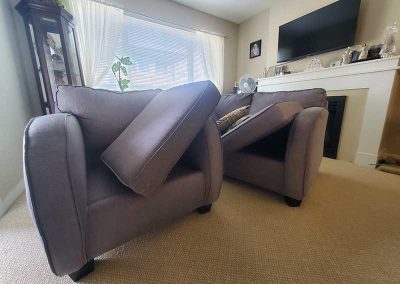
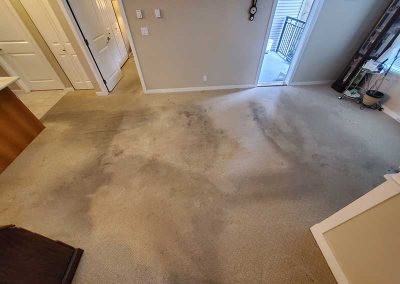
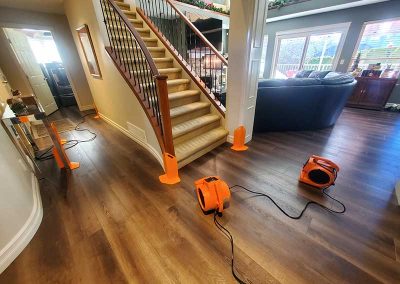
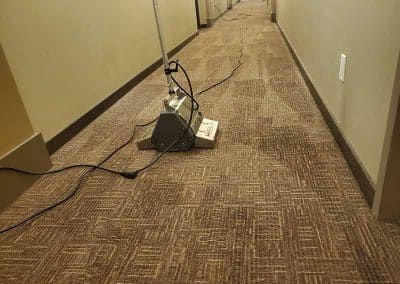
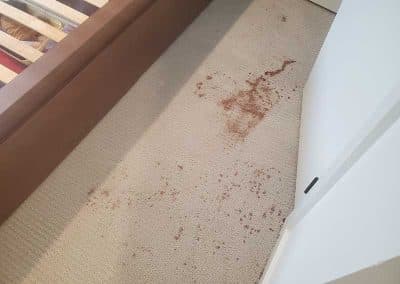
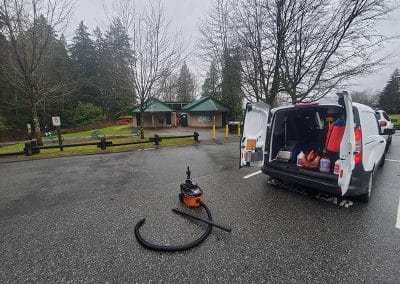
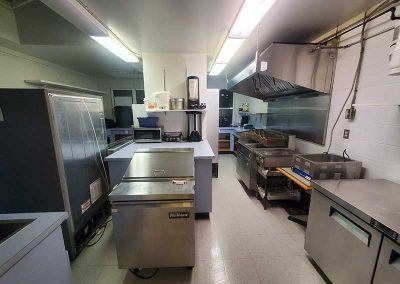
We take tremendous pride in the results we deliver for our clients. The photos speak for themselves.
Why Choose Us
Business License, Criminal Record Check, Trained Technicians, Professional Tools, Professional Solutions, Better Results and Quality, Transparent Pricing and no Hidden Fees, Health Benefits, Professional Operation of Tools, Mobi Cleaning Difference, Flexible Scheduling, On-Time, Maintenance, Great Competitive Value, Customer Satisfaction Focused, IICRC Trained, Green Cleaning, Reputation, Property Protection, Fast Drying Carpets, 100 Percent Satisfaction Guarantee, Experience, Professional Processes, First-Class Service, Fast Response Time, Free Consultation and Estimates, Competitive Pricing and Dedicated Account Manager