









How to Dry Carpet After a Flood: Emergency Water Damage Restoration Guide
Dealing with a flooded carpet can be completely overwhelming—it is not just about emergency water extraction, there is also major potential for home water damage and serious health risks from bacteria, black mold, and mildew allergens. Taking action fast, effectively, and immediately is absolutely critical to minimizing these structural moisture risks inside your house. This complete guide will walk you through the step-by-step process of drying wet carpet after a basement flood, burst pipe, or plumbing leak, helping you learn exactly how to restore your property back to its clean, pre-flood condition.
Immediate Steps to Take Right Away for Water Damage
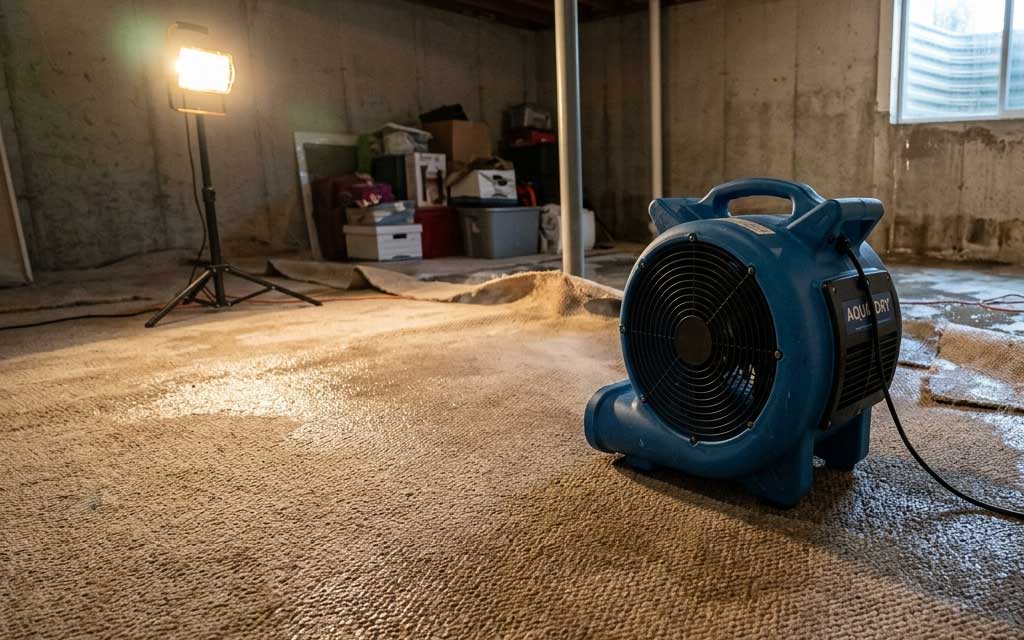
When your home floor is flooded with water, time is of the essence to prevent permanent structural ruin. Start immediately by removing standing water using a powerful shop vac, wet-dry vacuum, or commercial sump pump. Next, drastically increase the fresh air circulation in the wet room by opening windows wide and running high-velocity floor fans. This rapid air movement helps lower the indoor humidity levels and stops toxic black mold spores from spreading. For an effective DIY carpet drying setup, you will need to gather professional water damage restoration tools like commercial dehumidifiers, blower fans, and heavy-duty wet vacuums. Gently pull up the edges of the wet carpet away from the floor tack strips to let air circulate directly underneath the fibers and carpet padding.
Choosing the Best Professional Flood Drying Equipment
Selecting the right commercial equipment is the absolute key to effectively drying wet carpets and saving your plywood subfloors.
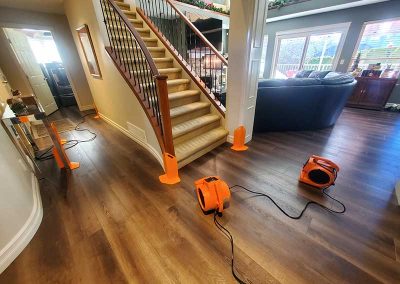
Look specifically for powerful structural dehumidifiers, industrial carpet blower fans, and heavy-duty wet vacuums to suck out deep moisture efficiently and speed up the total drying process. For the absolute best results, choose specialized rental equipment designed explicitly for emergency water extraction, flood recovery, and structural carpet drying. When choosing your water damage equipment, it is also highly important to carefully consider the exact square footage and layout of the wet, affected area. Larger open spaces or flooded basements with multiple rooms may require significantly more powerful machinery or additional air mover units to ensure uniform, even drying. Look for refrigerant or desiccant dehumidifiers that feature a high capacity for daily moisture extraction alongside hose connections that allow for continuous, automatic pump drainage. Some advanced professional models come fully equipped with built-in digital moisture meters or hygrometers to precisely monitor the room’s humidity levels as it dries out.
How Long Does Carpet Take to Dry After a Basement Flood?
Typically, it takes about 3 to 5 days for a thick residential carpet and its foam underpad to dry completely after a major basement flooding event. The exact length of drying time can vary significantly based on the specific carpet material, the overall thickness of the pile, and the current outdoor weather conditions. Make sure your flooded room has maximum cross-ventilation and run heavy-duty dehumidifiers constantly to speed up the moisture evaporation process.
How Quickly Can Black Mold Grow Under Wet Carpeting?
Dangerous black mold can start growing underneath wet carpets and foam padding within a short 24 to 48 hours after a flooding incident occurs. This rapid bacterial and fungal growth timeline makes it absolutely essential to start the water extraction and drying process immediately after the water damage happens to prevent permanent mold and mildew formation. Mold spores thrive aggressively in moist, warm, and dark environments, which are exactly the trapped conditions created underneath a soaked floor covering. This stagnant environment can be especially conducive to rapid mold infestations if the affected room lacks proper continuous ventilation or mechanical drying. The specific type of carpet backing and the underlying material of your subfloor can also heavily influence how quickly wood rot and mold spread. Organic building materials, such as wool carpets, jute backing, or plywood wooden subfloors, are particularly susceptible to rapid mold growth and structural decay.
How to Prevent Mold From Growing Under Wet Carpet
There are a number of proven, practical steps you can take right now to help prevent toxic mold growth from ruining your carpet:
- Keep the entire affected area well-ventilated, hot, and dry at all times.
- Use commercial dehumidifiers to rapidly pull down humidity levels and industrial fans to circulate high-velocity air.
- Consider applying professional-grade anti-mold sprays, antimicrobial solutions, or sanitizers specifically formulated for household carpets.
- Regularly check the subfloor backing for any early visual signs of mold and address them promptly before they spread.
When to Call Emergency Carpet Cleaning and Water Restoration Pros
If the indoor flooding is extensive, covers multiple rooms, or if you suspect greywater or raw sewage contamination, it is always best to immediately call professional carpet cleaners. Specialized local restoration companies like mobicleaning.ca focus heavily on emergency flood recovery, professional carpet cleaning, and full property content restoration. We use advanced water extraction techniques and commercial thermal drying equipment to completely pull out water, eliminate dangerous contaminants, and ensure your home’s carpets are thoroughly cleaned, sanitized, dried, and perfectly restored.
Health Risks and Mandatory Safety Precautions
Flooded carpets can pose severe long-term health risks to your family, especially if the invading water is heavily contaminated with bacteria. Always wear personal protective gear like thick rubber gloves, rubber boots, and high-filtering N95 masks when handling wet or soiled carpets. This strict safety precaution helps you completely avoid direct skin contact or inhalation of potentially harmful pathogens, bacteria, or toxic mold spores that might be swirling in the water or trapped deep on the carpet fibers. Be acutely aware of the immediate risks of lethal electrical hazards in any flooded indoor areas. Water conducts electricity incredibly well, so it is absolutely essential to switch off the main circuit breakers to the affected area before stepping into the room or starting any cleanup process. This critical step is vital to safeguard your life and prevent accidental electric shocks or electrocution. You must also be highly cautious of hidden structural hazards throughout the home. Absorbed water can rapidly soften, warp, and weaken underlying floors and drywall, making them highly unstable or prone to collapse. If you suspect any structural damage, sagging subfloors, or crumbling drywall, it is best to avoid the area entirely and seek professional structural assessment immediately. If the floodwater originates from a highly contaminated source, such as an outdoor street flood, a backed-up toilet, or a broken sewage line, it is incredibly important to avoid any physical contact. This dangerous type of category 3 blackwater carries highly infectious pathogens and poses serious, life-threatening health risks to humans and pets. In these hazardous cases, it is strongly advisable to call in professional restoration technicians who possess the necessary specialized hazmat equipment and protective expertise to handle contaminated water safely. Finally, if you or anyone else in your household begins to suddenly exhibit symptoms like respiratory breathing issues, severe coughing, asthma flare-ups, or skin irritations after being exposed to a flooded carpet, seek professional medical attention immediately. These sudden physical symptoms are a clear clinical warning sign of direct exposure to harmful chemical or biological contaminants.
Pro Carpet Dehumidifying Tips for Faster Results
Properly dehumidifying the air is a critical, mandatory step in saving and drying carpets after a major water disaster. Position your dehumidifying units strategically directly around the wettest parts of the flooded area to maximize continuous moisture extraction from the floor. Empty the collection tanks regularly—or set up a continuous gravity drain line—to maintain maximum machine efficiency, and always pair it with an air mover fan to further enhance the drying process by circulating dry air across the floor.
Long-Term Floor Care and Future Flood Prevention
Once your carpets are entirely bone-dry, fully sanitized, and completely restored, ongoing professional care is important to prevent future indoor air quality issues. Regular deep vacuuming, prompt attention to localized spills, and periodic hot-water extraction cleaning can maintain the health, longevity, and appearance of your flooring. Additionally, consider installing foundation waterproofing solutions, sump pumps, or moisture barriers in flood-prone basements as an essential preventative measure. Dealing with a flooded carpet can be an incredibly stressful challenge, but with the right aggressive approach, you can effectively dry out and fully restore your valuable carpets. Whether you choose to use immediate DIY drying methods or call in a local service, the main key is to act within the first few hours to prevent toxic mold growth and minimize severe household health risks. Consistent home maintenance and modern preventive upgrades can help protect your family’s carpets from future unexpected flooding events.
Contact mobicleaning.ca Today
If you are currently facing an emergency flooded carpet situation anywhere in British Columbia, mobicleaning.ca is here to support you around the clock. Our professional carpet cleaning, water extraction, and full structural restoration services are custom-engineered to bring your home’s carpets back to life after a severe flood. Trust our experienced, local team to handle the entire water extraction, sanitizing, drying, and restoration process with the utmost care, speed, and technical expertise. Schedule your emergency service appointment with mobicleaning.ca today and take the first step toward a clean, safe, and completely dry home.
- Health and Safety Notice: If you suspect sewage backup or mold exposure, ensure the space is fully evacuated by vulnerable individuals. Please verify all local municipal safety guidelines regarding water damage disposal.
Call Us
778.801.8595
SEND US AN EMAIL
book@mobicleaning.ca
Text Us
778.801.8595
Contact Us For Cleaning Services
Real Results
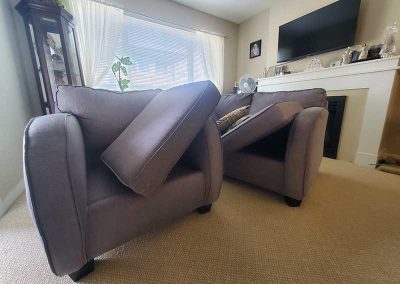
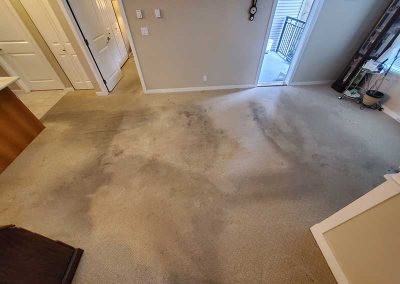
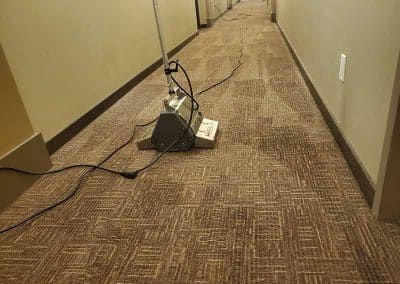
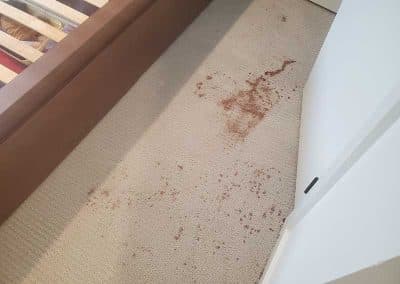
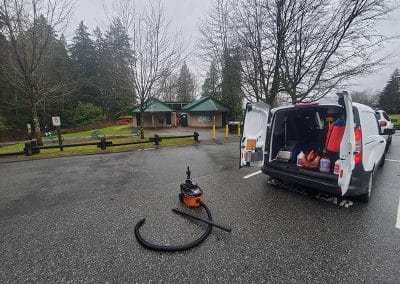
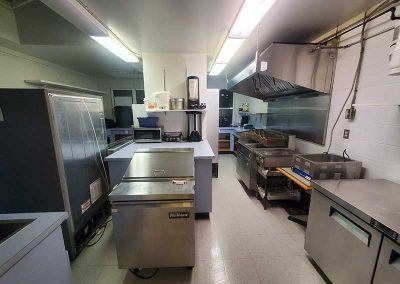
We take tremendous pride in the results we deliver for our clients. The photos speak for themselves.
Why Choose Us
Business License, Criminal Record Check, Trained Technicians, Professional Tools, Professional Solutions, Better Results and Quality, Transparent Pricing and no Hidden Fees, Health Benefits, Professional Operation of Tools, Mobi Cleaning Difference, Flexible Scheduling, On-Time, Maintenance, Great Competitive Value, Customer Satisfaction Focused, IICRC Trained, Green Cleaning, Reputation, Property Protection, Fast Drying Carpets, 100 Percent Satisfaction Guarantee, Experience, Professional Processes, First-Class Service, Fast Response Time, Free Consultation and Estimates, Competitive Pricing and Dedicated Account Manager