

















11 Furnace and AC Maintenance Tips Every BC Homeowner Should Know
Your home heating and air conditioning system is the unsung hero of your household. Whether it is keeping your family perfectly cool during those hot summer heatwaves or warming up your living spaces on a freezing, rainy West Coast winter night, it works tirelessly to keep your house comfortable.
But just like any complex machine, your furnace and heat pump need regular attention to run efficiently. That is exactly where we come in.
At Mobi Cleaning, we specialize in professional home cleaning and property maintenance, and we are here to guide you through the absolute essential HVAC maintenance tips that will save you money on utility bills, maximize heating performance, and make your equipment last longer.
Here is the complete, step-by-step guide you need to keep your home heating and cooling system in peak condition all year long.
- How to Change a Furnace Air Filter Regularly
One of the simplest yet most important things you can do to maintain your heating and cooling setup is to change your furnace air filter on a regular basis.
Over time, everyday household dust, pet hair, seasonal West Coast pollen, and other floating particles pile up inside the filter, causing it to clog completely. This not only ruins your indoor air quality but also forces your entire furnace to work twice as hard just to circulate warm or cool air, leading to major spikes in your BC Hydro or FortisBC bills and a much shorter lifespan for your equipment.
What Type of Furnace Filter Should You Buy?
There are several common types of air filters available at local BC hardware stores like Home Depot or Canadian Tire, and choosing the right one depends entirely on your household needs:
- Fiberglass Filters: These are very cheap but must be replaced much more often (every 30 days). They offer basic particle filtration but are not designed to remove fine airborne allergens.
- Pleated Filters: These capture significantly more debris than flat fiberglass and can last anywhere from 60 to 90 days. They are an excellent middle-ground option for the vast majority of standard residential households.
- High-Efficiency Particulate Air (HEPA) Filters: HEPA filters are incredible at capturing microscopic allergens and smoke particles, but they can restrict airflow in certain older residential systems. Always make sure your equipment can handle this dense style of filter before sliding one in.
- Washable Filters: These are reusable, eco-friendly options, but they require regular manual cleaning and are typically less efficient at trapping fine particles than disposable pleated filters.
What is a MERV Rating, and Why Does It Matter?
Air filters are measured using the MERV scale (Minimum Efficiency Reporting Value), which tells you exactly how well the filter captures airborne particles. The higher the MERV number, the more microscopic debris the filter traps:
- MERV 1 to 4: Offers basic filtration, mostly trapping large particles like carpet lint and heavy dust.
- MERV 5 to 8: Great for standard residential homes, capable of trapping smaller particles like mold spores.
- MERV 9 to 12: Excellent for households with pets or allergy sufferers, easily trapping finer particles like dander and pollen.
- MERV 13 to 16: Typically reserved for commercial buildings or hospitals and can trap bacteria and fine wildfire smoke particles. Always verify your specific system can handle a filter with a rating this high before installing it.
How Often Do You Need to Replace Your Air Filter?
As a general rule, you should replace your furnace filter every 1 to 3 months. However, if you live in a high-pollen area, have multiple indoor pets, or struggle with seasonal asthma, it is a smart habit to visually check the filter every single month. If it looks grey and dusty, go ahead and swap it out early.
- Key Tip: Replace your filter every 1 to 3 months. If you have dogs or cats, or live in an area prone to seasonal allergies, check the dirt buildup every month.
- How to Clean and Inspect Your Outdoor AC Unit
Your home’s outdoor unit (also known as the air conditioning condenser or heat pump) is exposed to our harsh, wet British Columbia weather year-round.
Fallen autumn leaves, dirt, damp mud, and lawn clippings can easily pile up around the metal casing, blocking critical airflow and driving down system efficiency. Keeping this exterior unit clear ensures it runs smoothly and helps you avoid incredibly expensive repair bills down the road.
Step-by-Step Guide for Cleaning an Outdoor Heat Pump or AC Unit:
- Turn off the Power: Always start by completely switching off the electrical power at the main outdoor breaker box or disconnect switch to prevent any electrical shocks or mishaps.
- Clear Away Loose Debris: Use a soft-bristled brush or a shop vacuum with a brush attachment to manually clear away leaves, pine needles, dirt, and overgrown grass from around the perimeter.
- Clean the Metal Fins: The delicate metal fins on your condenser coil can easily get clogged with dirt or bent out of shape. Use a specialized fin comb or a soft brush to straighten them out and wash away caked-on mud.
- Check for Signs of Damage: While you are cleaning, carefully inspect the unit for deep leaks, bent metal, or strange clanking noises. If you notice any of these red flags, it is time to call a local professional technician.
- Key Tip: Cut back any backyard plants, garden shrubs, or tree branches at least two feet away from the metal unit to ensure completely unobstructed airflow.
- How to Find and Seal Home Air Leaks to Save Energy
Hidden air leaks around your house can seriously compromise your heating and cooling efficiency. When conditioned air constantly escapes through gaps around your windows, exterior doors, or unsealed basement ductwork, your HVAC system has to work overtime just to keep your rooms at a consistent temperature.
Best Ways to Locate and Fix Drafts:
- Identify Common Leak Spots: The most frequent culprits are window sills, exterior door frames, and electrical outlets on outer walls. You can find hidden drafts by carefully holding a lit incense stick near these areas—if the smoke wavers or blows sideways, you have found an air leak.
- Seal Gaps with Caulk or Weatherstripping: For gaps around window frames and doors, apply a fresh bead of exterior caulk or install stick-on weatherstripping. Make sure to seal up any open gaps around outdoor pipes or electrical wiring entry points as well.
- Check Your Basement and Attic Ductwork: Your ventilation ducts can also leak conditioned air into unheated spaces. If you notice open gaps or loose joints, you can seal them up using professional foil tape or paint-on mastic sealant.
- Key Tip: Consider booking a professional home energy audit. This process uses thermal imaging to locate hidden drafts, boosting your comfort and slashing your monthly heating and cooling bills.
- How to Clean HVAC Coils for Optimal Performance
Your heating and cooling system relies on two critical coils to transfer heat: the indoor evaporator coil and the outdoor condenser coil.
Over time, these coils collect a thick layer of dust and grime, which acts like an insulating blanket, tanking system efficiency and forcing your equipment to run much longer than it should.
How to Safely Clean Your Coils:
- Turn Off the Electrical Power: Never open up any panel or attempt maintenance work without completely shutting down the power at the main breaker box first.
- Access the Coils: You will typically need to unscrew an access panel on your indoor air handler to reach the evaporator coil, or look through the outer cage to see the outdoor condenser coil.
- Clean the Surfaces: Use a soft brush to gently sweep away loose dust, then apply a specialized spray-on coil cleaner (available at local BC home improvement stores). For stubborn dirt, carefully wipe the surfaces with a soft microfiber cloth, being incredibly gentle so you do not bend the delicate aluminum fins.
- Straighten Bent Fins: If you notice any bent sections on the coils, use a fin comb tool to straighten them out, which instantly restores optimal airflow.
- Key Tip: Deep clean your HVAC coils at least once a year to keep your home comfort system running at maximum efficiency.
- Why You Should Book Seasonal HVAC and Furnace Inspections
While regular DIY home maintenance goes a long way, there is simply no substitute for expert professional care. Booking regular seasonal inspections from a certified technician allows you to catch minor mechanical issues before they spiral into catastrophic, expensive breakdowns.
What Happens During a Professional Furnace and AC Inspection?
- Complete System Diagnostic: A certified local technician will inspect all critical moving components, including the blower motor, the indoor thermostat calibration, the ductwork connections, and the electrical wiring safety.
- Refrigerant Level Check: Your technician will measure the system’s refrigerant pressure to ensure there are no hidden chemical leaks, topping it off if necessary to keep your summer cooling running perfectly.
- Advanced Safety Checks: The specialist will thoroughly test critical safety controls, such as the limit switch and carbon monoxide levels, to give you complete peace of mind that your heating system is operating safely.
- Key Tip: Schedule professional inspections twice a year—once in the spring to prep your AC for summer, and once in the autumn to ensure your furnace is ready for winter.
- Upgrade to a Programmable or Smart Thermostat
An old-school manual thermostat can easily waste money by running your heating or cooling full-blast when nobody is even home. Upgrading to a programmable thermostat allows you to save money automatically by setting lower temperatures when you are asleep or at work. Better yet, consider upgrading to a smart thermostat, which connects directly to your home Wi-Fi and can be controlled remotely from anywhere using a smartphone app.
Main Benefits of Switching to a Smart Thermostat:
- Total Remote Control: Instantly adjust your house temperature from your phone while commuting home from work, ensuring your living space is perfectly comfortable the moment you walk through the door.
- Automatic Energy Savings: Smart thermostats track your daily routine and automatically adjust temperatures when the house is empty, saving you up to 10% to 15% on your monthly utility bills.
- Smart Home Integration: Most modern smart thermostats sync perfectly with popular voice-activated assistants like Amazon Alexa, Apple HomeKit, or Google Assistant.
- Key Tip: The team at Mobi Cleaning can easily assist with the professional setup and installation of your new smart thermostat if you are not entirely comfortable dealing with low-voltage electrical wiring yourself.
- Find Professional Air Duct Cleaning Services Near Me
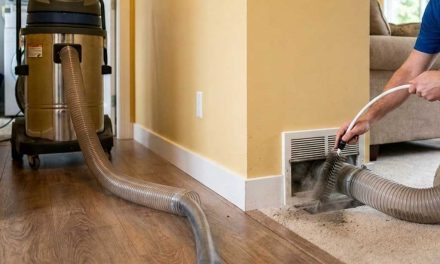
Blocked or dusty ventilation registers can severely restrict airflow throughout your house, forcing your furnace or heat pump to work much harder to keep your rooms comfortable. Regularly vacuuming your vents and keeping them clear of everyday household items is an easy, free way to boost your home heating efficiency.
How to Maintain Your Air Vents and Registers:
- Vacuum Regularly: Use your vacuum cleaner with a soft brush attachment to easily suck up loose dust, pet hair, and airborne lint from the metal vent slats.
- Check for Air Obstructions: Double-check that heavy living room furniture, long window curtains, or large area rugs are not accidentally covering up or blocking your floor registers. Obstructed vents force your entire HVAC system to run longer just to maintain your desired thermostat temperature [2.1].
- Watch for Fast Dirt Buildup: If you notice that your metal registers are getting covered in thick dust shortly after you wipe them down, it is usually a clear sign that the inside of your ventilation tracks is loaded with debris. Booking a professional duct cleaning is the best way to solve this issue and instantly improve your indoor air quality.
- Key Tip: At Mobi Cleaning, we provide professional air duct cleaning services across BC that completely clear out hidden dust traps, maximize your system’s airflow, and help your furnace run much more efficiently.
- How to Clean a Furnace Blower Motor
The blower motor is the critical heart of your furnace that physically pushes conditioned air through your home’s ventilation system. Over time, it can accumulate a thick blanket of dust and pet dander, which tanks its operating efficiency and can cause the mechanical components to overheat and break down. Keeping the blower fan assembly clean is vital to protecting your system’s performance.
How to Clean the Blower Motor Assembly:
- Shut Off the Electrical Power: As with all DIY mechanical maintenance, always turn off the power switch at the furnace cabinet or shut down the breaker at the main electrical panel before opening up the system.
- Access the Blower Compartment: Depending on the specific brand and style of your furnace, you will typically need to unlatch or unscrew the lower access panel to reach the blower motor housing.
- Clean the Fan Blades and Motor: Use a can of compressed air or a soft-bristled brush to gently remove caked-on dust and debris from the motor casing and the fan wheel blades. Be incredibly careful not to disturb the small balancing clips on the fan blades or damage any internal electrical wiring.
- Lubricate the Bearings: If you own an older furnace system with a blower motor that features dedicated oil ports, apply a few drops of high-quality SAE 20 non-detergent oil to keep the internal bearings fully lubricated and prevent mechanical friction wear.
- Key Tip: If you do not feel entirely comfortable opening up your furnace cabinet or dealing with the blower motor components yourself, there is no need to worry—the experienced team at Mobi Cleaning can easily take care of this technical maintenance for you.
- How to Clear a Clogged AC Condensate Drain Line
Your air conditioning system or heat pump does not just cool your home—it also acts as a dehumidifier, pulling excess moisture out of your indoor air. This collected water drips into a pan and flows outside through a dedicated condensate drain line. Over time, this dark, wet line can become completely blocked by slime, algae, mold, or airborne dirt, which can cause water to back up and result in severe flooding, drywall damage, or total system failure.
Best Way to Flush Your Condensate Drain:
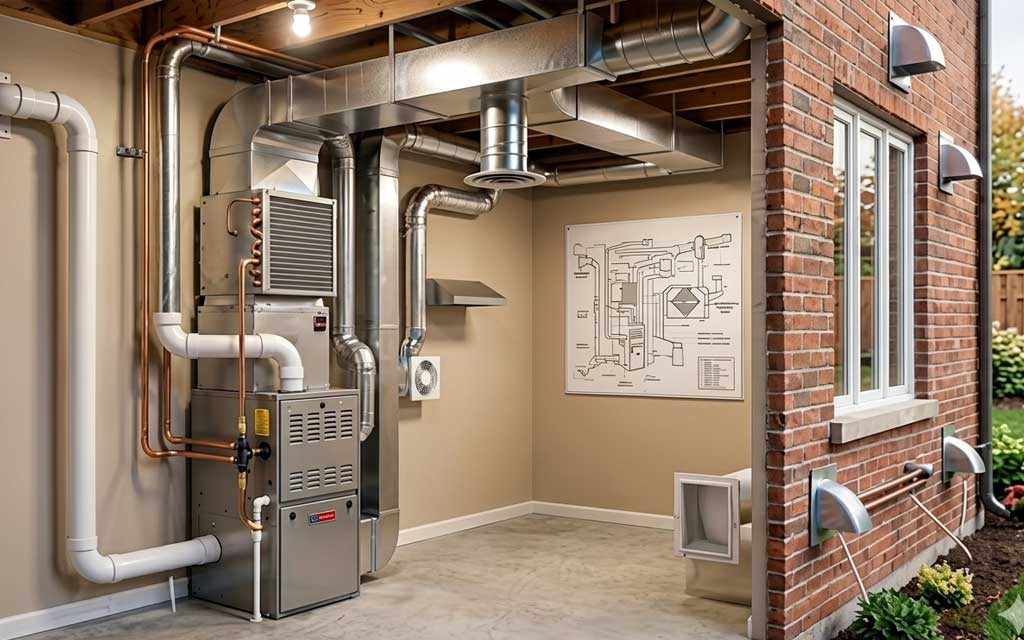
- Locate the Drain Line: The condensate line is typically a white PVC pipe found running along the side of your indoor air handler or furnace cabinet, which channels water out through an exterior wall.
- Flush the Line: Uncap the T-shaped access point on the PVC pipe and pour about a cup of ordinary white vinegar down the line to safely kill off algae blooms and clear away slimy buildup.
- Inspect the Pipe for Leaks: While you are cleaning, carefully check the visible plastic joints and pipe lengths for any hairline cracks or active drips. If you spot a leak, it needs to be repaired immediately by a professional to avoid hidden rot or mold growth in your floors.
- Key Tip: Adding this quick line flush to your regular home maintenance routine is an excellent way to prevent accidental water damage and keep your air conditioning running smoothly all summer long.
- How to Test and Calibrate Your Thermostat
Your thermostat is the core command center of your entire heating and cooling system. Ensuring that it is functioning perfectly and reading your room temperature accurately is absolutely essential for keeping your home comfortable and keeping your utility bills low.
How to Test and Adjust Your Thermostat Settings:
- Check the Temperature Calibration: Place a standard glass or digital thermometer right next to your wall thermostat and let it sit for 15 minutes. Compare the two temperature readings—if the numbers do not match up, your thermostat is miscalibrated and may need a professional adjustment or a full replacement.
- Test the System Response: Manually switch your thermostat between heating and cooling modes to ensure your furnace or outdoor heat pump responds immediately and kicks on correctly. If the system stalls or fails to turn on, you could be dealing with a faulty thermostat sensor or a loose electrical control wire.
- Change the Batteries Annually: If your wall thermostat runs on backup batteries, make it a firm habit to swap them out for fresh ones at least once a year to prevent sudden system interruptions or heat failures during a cold snap.
- Key Tip: If your old manual thermostat is struggling to stay accurate, consider upgrading to a modern Wi-Fi smart thermostat to get significantly better energy efficiency, automated scheduling, and total remote control from your smartphone.
- How to Perform a Seasonal HVAC System Checkup
Beyond your standard monthly chores, it is incredibly important to run through a complete seasonal checkup on your heating and cooling equipment before the extreme weather hits. Running a thorough test allows you to spot minor warning signs and fix them before they turn into major, expensive emergency repairs in the dead of winter or the peak of summer.
Seasonal Home Maintenance Checklist:
- Inspect the Filters: Always start your seasonal check by looking at your furnace air filter and sliding in a fresh, clean one if it is loaded with dust.
- Clear the Outdoor Unit: Clean off the exterior condenser casing or heat pump fins, ensuring there are no fallen leaves, tall weeds, or yard debris blocking the metal vents.
- Verify Thermostat Modes: Make sure your wall controller is flipped over to the correct seasonal setting (heating mode for winter, cooling mode for summer) and that the digital display is working perfectly.
- Run a Full Test Cycle: Turn your system on and let it run through a complete heating or cooling cycle. Sit near the registers and listen closely for any unusual squealing, rattling, or thumping sounds coming from your ductwork or furnace closet. If anything smells or sounds abnormal, shut the system down and call in an expert.
- Key Tip: Mobi Cleaning provides comprehensive seasonal home maintenance and deep cleaning packages designed to keep your property running safely and smoothly through every single change in the BC weather.
Summary and Next Steps
Staying consistent with regular furnace and HVAC maintenance does not just keep your living spaces perfectly comfortable—it actively saves your family money on monthly utilities, extends the operational life of your expensive equipment, and purifies the air your children breathe. The real secret to success is keeping a regular schedule.
If you are not sure where to start with your home care routine, or simply want an experienced professional to handle the deep cleaning for you, our local team is always ready to step in. Whether you need a comprehensive home sanitation, deep vent vacuuming, or expert advice on keeping your property in top-tier shape, Mobi Cleaning has your back.
Call Mobi Cleaning today to book your service appointment or get a free quote, and make sure your household is fully prepared for whatever the BC seasons bring!
Call Us
778.801.8595
SEND US AN EMAIL
book@mobicleaning.ca
Text Us
778.801.8595
Contact Us For Cleaning Services
Real Results
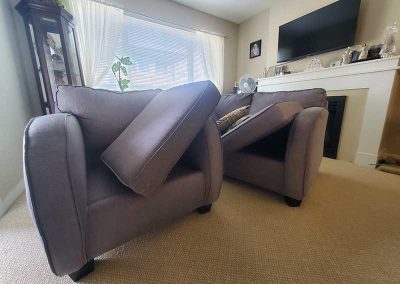
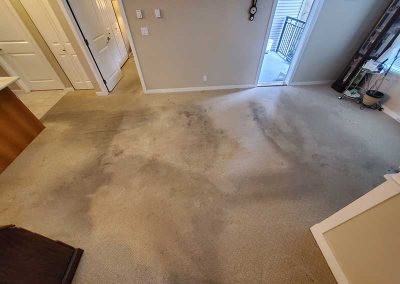
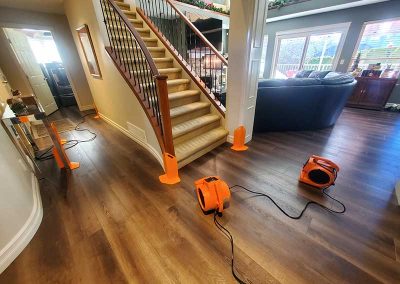
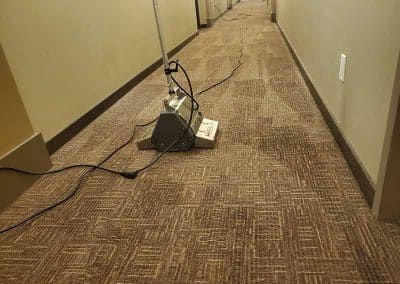
We take tremendous pride in the results we deliver for our clients. The photos speak for themselves.


Why Choose Us
Business License, Criminal Record Check, Trained Technicians, Professional Tools, Professional Solutions, Better Results and Quality, Transparent Pricing and no Hidden Fees, Health Benefits, Professional Operation of Tools, Mobi Cleaning Difference, Flexible Scheduling, On-Time, Maintenance, Great Competitive Value, Customer Satisfaction Focused, IICRC Trained, Green Cleaning, Reputation, Property Protection, Fast Drying Carpets, 100 Percent Satisfaction Guarantee, Experience, Professional Processes, First-Class Service, Fast Response Time, Free Consultation and Estimates, Competitive Pricing and Dedicated Account Manager