

















How British Columbia’s Spring Snow Melt Can Threaten Your Home’s Structural Health
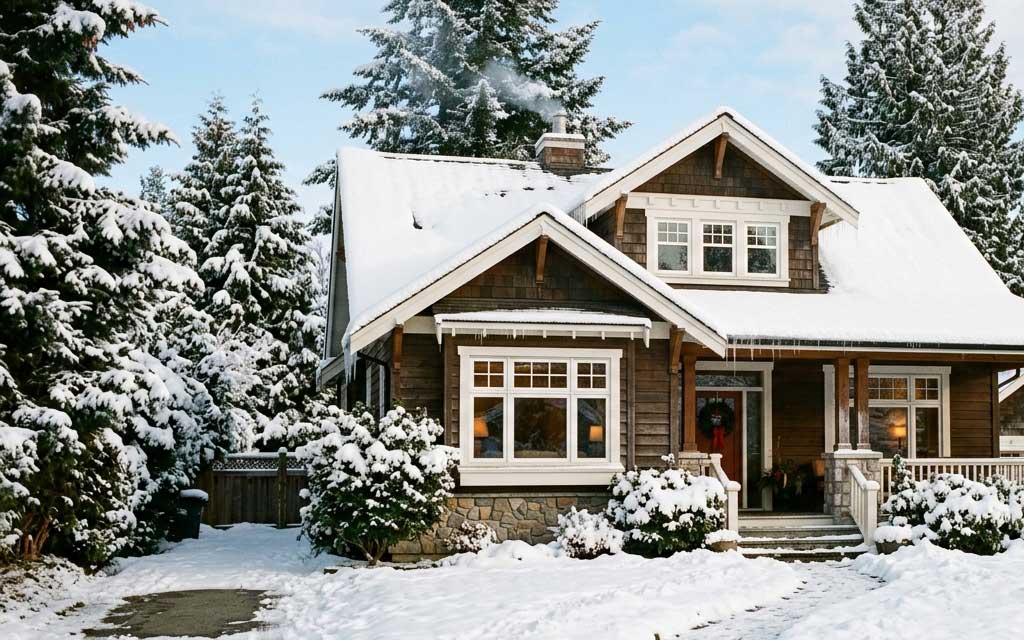
Winter seasons across British Columbia routinely deliver picture-perfect landscapes: majestic, snow-draped peaks framing the North Shore, heavily frosted tree lines weaving through the Fraser Valley, and dense blankets of white powder draping residential neighborhoods from Metro Vancouver all the way to the Interior. However, when the spring thaw finally commences, a vast number of local real estate owners step into their yards only to encounter a much less appealing sight—unattractive gray or pink matted patches suffocating their lawns. This condition is known as snow mold, an aggressive turf grass disease that propagates fluidly beneath prolonged, heavy winter snow cover.
And while outdoor turf snow mold might initially appear to be nothing more than a superficial landscaping blemish, the exact same environmental variables that facilitate its development outdoors—sustained heavy snowpack, intense coastal freeze-thaw cycles, and excessive groundwater accumulation—can also catalyze severe indoor mold infestations that require professional water damage services within BC residences. Unlike the fleeting fungal patches that mar your backyard turf, indoor mold colonies will never simply dissipate when the sunshine returns. This comprehensive structural guide examines both dimensions of the seasonal transition: how to identify, remediate, and block snow mold across your landscaping assets, and how to fortify your home’s interior envelope against the pooling groundwater that feeds indoor structural rot.
Demystifying Snow Mold: The Core Fungal Subtypes
Snow mold operates as a destructive turfgrass pathogen that colonizes directly beneath compressed winter snowpack, exhibiting a strong preference for geographical zones where heavy drifts settle over unfrozen, saturated topsoil. Field biologists classify this turf condition into two primary variants:
- Gray Snow Mold (Typhula Blight): This variant manifests as distinct, interlocking circular patches of bleached gray or white matted blades. While it tends to be more widespread across residential Metro Vancouver properties, its long-term structural impact on grass root systems is generally less severe.
- Pink Snow Mold (Microdochium Patch): This aggressive strain leaves behind deep tan to pale pink circular scars that can trigger profound, permanent crown damage while spreading with immense velocity across your lawn.
Both structural variations become starkly visible the moment winter snowbanks dissolve during the early spring thaw, typically spanning the months of March through May across various British Columbia municipalities. The compromised grass trapped beneath exhibits a dead, slimy texture or appears entirely flattened, which frequently convinces local homeowners that their landscaping assets are completely beyond saving. The encouraging reality is that the vast majority of outdoor snow mold outbreaks are entirely temporary, allowing your grass to fully recuperate when treated with correct agricultural practices. However, if left completely unaddressed, the exact same damp, compacted environmental conditions can easily pave the way for indoor mold colonization and severe water damage within your adjacent foundation walls.
Why British Columbia Lawns Face an Elevated Risk of Fungal Infection
Snow mold outbreaks are certainly not isolated to Western Canada, yet our highly unique regional microclimates and seasonal weather behaviors render local properties exceptionally vulnerable to this specific turf blight.
- Prolonged Snowpack Insulation: Heavy winter accumulations can linger for consecutive weeks or months in alpine and valley communities like Coquitlam, Burnaby Mountain, and the BC Interior, keeping turfgrass insulated from fresh air.
- Radical Freeze-Thaw Cycles: Snowbanks liquefy rapidly during brief influxes of warm Pacific air currents, only to refreeze solid overnight, trapping massive volumes of ambient moisture directly against the topsoil.
- Prevalence of Cool-Season Turfgrass: Standard local landscaping blends—including premium Kentucky bluegrass, perennial ryegrass, and fine fescues—exhibit a much lower natural resistance to these specific winter pathogens.
- Compacted Landscaping Soils: Lawns that suffer from poor water infiltration remain highly saturated for extended periods, creating the ultimate breeding ground for active fungal spores.
Throughout the transition zones of our coastal mountain ranges and across our damp valley communities, where early-season snow piles up aggressively and persists until late spring, dealing with lawn mold has practically transformed into an annual seasonal tradition.
During which specific months does the winter snowpack dissolve in BC?
Generally speaking, the primary volumetric snow melt across British Columbia materializes between the months of April and June, fluctuating based on your specific property elevation and localized coastal weather inputs.
Strategic Workflows to Resolve and Block Outdoor Fungal Growth
If you uncover patches of gray or pink snow mold across your BC yard this spring, there is absolutely no reason to panic, and you should firmly resist the urge to deploy your lawnmower immediately. Instead, utilize these proven professional landscaping workflows to safely treat the turf and safeguard it against future outbreaks:
- Action 1: Execute Targeted Raking to Aerate the Grass Blades: Delicately pass a flexible thatch rake over the matted patches to immediately elevate air distribution and accelerate the drying of the turf canopy. This singular mechanical action frequently restores full grass vitality within a few short weeks.
- Action 2: Introduce Resilient Overseeding Where Necessary: If isolated patches fail to regenerate after drying out, overseed those barren zones with a premium, disease-resistant cool-season grass seed blend to seamlessly restore lawn density.
- Action 3: Commit to Core Aeration and Dethatching Operations: Booking deep core aeration during the autumn months drastically lowers subsoil compaction while optimizing deep-earth drainage. Systematic dethatching actively prevents fungal spores from nesting beneath dense blankets of decaying organic matter.
- Action 4: Calibrate Your Fertilization Schedules Accurately: Completely forgo the application of high-nitrogen fertilizers during late autumn, as quick-release nitrogen creates tender, weak growth that feeds snow mold. Instead, feed your lawn in early autumn and late spring to foster robust, resilient root systems.
- Action 5: Adjust Mowing Heights Prior to the Initial Snowfall: Ensure your final lawn cuts before the first major winter storm leave the grass at a precise height of 2.5 to 3 inches. Taller grass blades easily collapse and mat under heavy weight, whereas cutting the turf too short induces severe stress that weakens the plant.
- Action 6: Decentralize Volumetric Snow Accumulations: Avoid piling massive mounds of shoveled snow onto the exact same localized spots all winter long, with extra caution paid to shaded northern exposures. Distribute the snow mass evenly across your property so that patches melt uniformly when spring temperatures ascend.
Analyzing the Critical Indoor Risks Triggers by BC’s Spring Melt
This specific junction is precisely where professional water damage services and certified structural drying expertise become vital assets for your property. While a case of lawn snow mold will typically resolve itself as the soil warms up, a residential indoor mold infestation absolutely will not. The identical spring thaw that uncovers unsightly blemishes across your landscaping also sends massive volumes of groundwater cascading into subgrade basements, saturating low-clearance crawl spaces and seeping into interior HVAC air channels.
Sub-surface moisture intrusion stemming from rapid snow melt can easily spark:
- Catastrophic Carpet and Upholstery Ruin: Trapped water within floor boundaries creates an absolute paradise for the rapid germination of toxic, airborne mold spores.
- Severe Tile and Highly Porous Grout Discoloration: Absorbent cementitious grout lines can easily house deeply anchored, fast-spreading mold colonies that ruin tile layouts.
- Widespread Air Duct Network Contamination: Stagnant moisture inside your climate ductwork allows circulating air currents to broadcast invisible mold spores throughout your entire living space.
- Deep Structural Material Degradation: Interior drywall sheets, structural wood framing studs, and fiberglass insulation batts can rapidly rot and decompose if an active mold colony is permitted to spread.
The fundamental contrast to bear in mind? Facing snow mold across your yard is almost exclusively a cosmetic irritation. Nurturing an active mold colony inside your home constitutes a profound health hazard that basic domestic floor fans can never resolve. Do not stall your response until pungent, musty smells or spreading dark water stains materialize across your ceilings. Reach out to the emergency dispatch desk at Mobi Cleaning Canada today and ensure that British Columbia’s seasonal snow mold remains exactly where it belongs—firmly outside your home.
Fortifying Your Interior Spaces Against Spring Fungal Outbreaks
Always remember: maintaining a proactive posture and being properly informed serves as your absolute best defense against property damage. By executing smart, preventative waterproofing measures alongside utilizing our industrial structural mitigation infrastructure, you can drastically minimize the danger of interior mold growth driven by heavy spring runoff.
Structural Building Insulation
Analyze your home’s thermal insulation as an active defensive shield protecting your asset against external environmental hazards. Properly installed insulation barriers prevent melting ice dams and rooftop snow packs from sweating and weeping down through your exterior wall cavities and ceiling joists. Meticulously inspect all vulnerable, unheated zones—such as your basement concrete foundation walls, crawl space ceilings, or underground parkades—and plan to upgrade or replace any compromised insulation materials before winter arrives.
Automatic Sump Pumps and Optimized Perimeter Drainage
Integrating a highly reliable, commercial-grade sump pump can serve as an absolute game-changer for BC residential structures that are historically prone to basement flooding during the annual spring thaw. This mechanical equipment works tirelessly to evacuate rising groundwater tables, routing the liquid safely away from your home’s concrete foundation footer. When paired with a fully functional, clear perimeter drainage matrix (french drains), it can significantly eliminate your structural flooding liabilities.
Advanced Climate Control and High-Velocity Fleet Ventilation
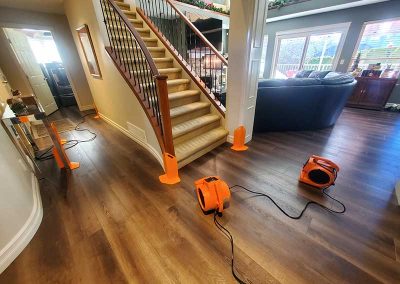
To actively neutralize the impact of massive spring thaws, our field teams arrive on-site deployed with specialized LGR (Low Grain Refrigerant) dehumidifiers and high-velocity axial air movers that aggressively extract deep moisture from structural lumber. We map out hidden reservoirs of trapped water cloaked behind your finished walls using advanced FLIR thermal imaging cameras and non-penetrating digital moisture meters, validating that no pocket of dampness is left behind to cultivate toxic mold.
Booking Your Specialized Professional Maintenance Cleaning
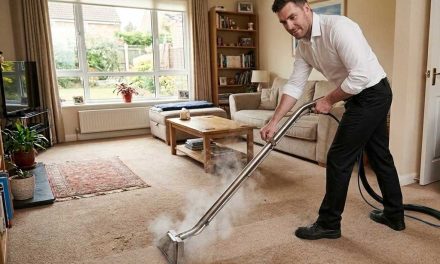
- Truck-Mounted Carpet Extraction: We leverage high-powered, vehicle-driven vacuum extraction networks to pull sub-surface groundwater completely out of dense carpet padding, arresting mold growth before it can fuse with the textile fibers.
- Medical-Grade Air Duct Purification: We integrate commercial HEPA negative-air machinery to safely isolate, trap, and extract circulating mold spores from within your HVAC ductwork, fully restoring the safety of your indoor breathing environment.
- Intensive Tile, Grout, and Natural Stone Sanitization: Our technicians deploy enclosed, high-pressure Rotovac extraction tools to deeply sanitize porous masonry surfaces, completely obliterating the deep organic soil and moisture layers that host hidden fungal colonies.
Effective Mold Remediation Strategies in British Columbia
When you suspect toxic mold growth in your residential or commercial property, taking immediate action is critical. If fungal spores have already compromised your indoor spaces, here are the vital steps you should take right away:
Identifying the Early Warning Signs of Fungal Growth
Keep a close eye out for continuous earthy smells, dark spots appearing on your ceilings or drywall, and obvious water stains. These quiet warning flags are often a direct indication that a larger, hidden mold colony is growing out of sight.
Professional Mitigation vs. Do-It-Yourself Cleaning
Surface mildew on non-porous materials can occasionally be wiped away using basic retail products, but extensive fungal contamination demands the attention of certified technicians. Professional mold removal companies utilize specialized negative-air containment equipment and advanced environmental science to completely eradicate the problem from its source.
Targeting and Eliminating the Underlying Moisture Problem
Active fungal growth is merely a secondary reaction to a primary building defect: trapped water and high humidity. It is absolutely essential to quickly diagnose and fix the source of the dampness, whether it stems from a burst pipe, poor thermal insulation, or insufficient air circulation in your crawl space.
The Financial Consequences of Neglecting Water Damage
Overlooking initial indoor air quality issues and failing to address water damage caused by seasonal freezes can quickly escalate into a massively expensive repair bill.
Choosing to invest in proactive structural drying and moisture control might demand a small initial expense, but it shields you from stressful property disruptions and massive remediation bills later on. Taking early action is the best approach for long-term real estate upkeep anywhere in the Pacific Northwest.
By implementing strategic water mitigation, scheduling routine building inspections, and prioritizing seasonal maintenance, you can protect your entire facility from the hidden threats brought on by heavy winter snowpack and rapid spring thaws across BC.
Always keep in mind—this process is not just about defending your real estate investment, but also about protecting the respiratory wellness of your family, tenants, or staff.
Explore our professional commercial and residential mold remediation and water extraction solutions available throughout Greater Vancouver and the Lower Mainland.
Frequently Asked Questions About BC Snow Mold
Is snow mold dangerous to human health?
Fungal growth that appears on your outdoor turf during the spring thaw is generally harmless to people. However, indoor structural mold fueled by melting ice and pooling water poses severe health risks, particularly for anyone suffering from chronic asthma, intense seasonal allergies, or compromised immune systems.
What are the most common signs of snow mold?
- Outdoors: You will see circular web-like pink or grey patches, matted patches of lawn, and rotting, slimy grass blades.
- Indoors: You will detect trapped musty scents, stained or bubbling drywall, damp spots on carpets, or dark speckles creeping up your baseboards.
How long does a snow mold infestation last?
External lawn diseases typically clear up on their own within two to six weeks as warmer spring weather arrives and the turf enters its active growing season. On the flip side, internal structural mold will remain indefinitely and continue to destroy your property until it is safely extracted by certified remediation experts.
Will snow mold disappear on its own?
On outdoor residential lawns, yes, the vast majority of mild cases will naturally burn off under direct sunlight. Inside a building, absolutely not. Professional structural drying and targeted sanitization are completely mandatory to neutralize the fungal colony safely and permanently.
How British Columbia’s Winter Thaw Threatens Your Indoor Air Quality
Winters in BC offer stunning, picture-perfect views: snow-dusted mountains framing the North Shore, frozen evergreen forests stretching through the Fraser Valley, and deep blankets of white over communities across the province.
Yet, when the spring melt arrives, many local homeowners walk out into their yards only to find a far less beautiful sight—unsightly grey rings or pink webs ruining their green grass.
This condition is known as snow mold, a unique lawn disease that flourishes directly beneath compressed layers of winter snow pack.
While lawn disease might seem like nothing more than an exterior cosmetic blemish, the exact same environmental variables that spark its outdoor growth—heavy winter accumulation, volatile coastal freeze-thaw cycles, and saturated ground soil—frequently trigger aggressive indoor mold outbreaks inside BC properties.
Unlike the temporary patches fading away on your grass, indoor structural mold will not just vanish when the summer sun comes out.
This comprehensive industry guide addresses both sides of this seasonal moisture challenge: how to identify, manage, and prevent lawn mold outside, and how to fortify your home’s interior from the invasive water pooling that feeds it.
Regional Thaw Frameworks: Understanding the British Columbia Spring Runoff
During which precise months does the winter snowpack dissolve in British Columbia?
As a general rule, the absolute greatest volume of seasonal snow melt throughout British Columbia materializes between the months of April and June, shifting entirely based upon your exact geographical elevation and shifting regional weather inputs.
Specialized Methodologies to Treat and Prevent Outdoor Fungal Turf Disease
If you isolate patches of gray or pink snow mold spreading across your yard this spring, there is absolutely no reason to panic, and you should firmly resist the urge to start up your lawnmower just yet. Instead, implement these field-proven, professional approaches to safely treat the turfgrass and safeguard your landscaping assets against future outbreaks:
Phase 1: Execute Targeted Raking to Aerate the Grass Blades
Delicately pass a flexible thatch rake over the flattened, matted patches to immediately elevate subsurface air circulation and accelerate the natural drying of the turf canopy. This straightforward mechanical action alone frequently restores full grass vitality across compressed Burnaby and New Westminster lawns within a few short weeks.
Phase 2: Introduce Resilient Overseeding to Repair Barren Zones
If isolated, localized areas fail to recover naturally after drying out, overseed those bare patches with a premium, disease-resistant cool-season Pacific Northwest grass seed blend to seamlessly restore lawn density.
Phase 3: Commit to Systematic Core Aeration and Deep Dethatching
Booking deep core aeration during the autumn months drastically lowers thick soil compaction while optimizing deep-earth water drainage patterns. Thorough mechanical dethatching actively prevents aggressive fungal spores from nesting or hiding beneath dense, unventilated layers of decaying organic material.
Phase 4: Calibrate Your Fertilization Schedules Accurately
Completely forgo the application of high-nitrogen fertilizers during late autumn, as quick-release nitrogen creates tender, weak growth that actively encourages winter snow mold development. Instead, feed your lawn in the early autumn and spring phases to build stronger, deeply anchored, disease-resistant root systems.
Phase 5: Adjust Mowing Heights Prior to the Initial Snowfall
Ensure your final lawn cuts before the first major winter storm leaves the grass at a precise height of approximately 2.5 to 3 inches. Taller grass blades easily collapse and mat under heavy weight, whereas cutting the turf structure too short induces severe stress that weakens the plant.
Phase 6: Decentralize and Manage Volumetric Snow Piles
Avoid piling massive, thick mounds of shoveled snow onto the exact same localized spots all winter long, with extra caution paid to heavily shaded zones. Distribute the snow mass evenly across the yard so that patches melt away uniformly when spring temperatures ascend.
Analyzing the Critical Indoor Risks Triggered by British Columbia’s Spring Melt
This specific junction is precisely where the advanced property restoration expertise and industrial drying machinery of Mobi Cleaning Canada become vital assets for your real estate. While a standard case of outdoor lawn snow mold will typically resolve itself as the soil warms up, an indoor structural mold infestation absolutely won’t. The identical spring thaw that uncovers ugly, slimy patches across your landscaping also sends massive volumes of groundwater cascading into below-grade basements in Port Coquitlam, saturates low-clearance crawl spaces in Port Moody, and seeps deep into home air ducts.
Uncontrolled groundwater intrusion stemming from rapid snow melt can easily spark:
- Catastrophic Carpet and Upholstery Ruin: Trapped, stagnant moisture within subfloor boundaries creates a permanent, warm breeding ground for the rapid germination of toxic mold spores.
- Severe Tile and Porous Grout Discoloration: Absorbent cementitious grout lines can easily house deeply rooted, fast-spreading mold colonies that permanently ruin masonry layouts.
- Widespread Air Duct Network Contamination: Damp ventilation ductwork allows circulating air currents to broadcast invisible fungal spores throughout your entire home heating system.
- Deep Structural Material Degradation: Hidden drywall assemblies, structural wood framing studs, and insulation layers can rapidly rot, decay, and deteriorate if mold is permitted to spread.
The fundamental contrast to bear in mind? Facing snow mold across your yard is almost exclusively a temporary, superficial cosmetic issue. Indoor structural mold is a serious, long-term health hazard that standard domestic fans can never resolve. Do not stall your response until pungent, musty odours or spreading dark water stains materialize across your ceilings. Reach out to the emergency dispatch desk at Mobi Cleaning Canada today and keep British Columbia’s seasonal snow mold exactly where it belongs—firmly outside.
Fortifying Your Interior Spaces Against Spring Fungal Outbreaks
Always remember: maintaining a proactive posture and being properly informed serves as your absolute best defense against seasonal flooding. By executing smart, preventative waterproofing measures alongside utilizing our structural drying services, you can drastically minimize the danger of hazardous mold growth in your home driven by melting snowpacks.
Structural Building Insulation
Analyze your professional thermal insulation as an active defensive shield protecting your property envelope against external environmental elements. Properly installed insulation barriers prevent melting ice dams and rooftop snow packs from sweating and weeping behind finished walls or leaking down through your ceilings. Meticulously inspect highly vulnerable areas—such as your basement walls, uninsulated attic spaces, and attached garages or concrete parkades in Vancouver and Richmond—and consider upgrading or replacing any worn-out insulation materials.
Automatic Sump Pumps and Optimized Perimeter Drainage
Integrating a highly reliable sump pump system can serve as an absolute game-changer for Coquitlam and Burnaby homes that are historically prone to perimeter flooding or rising water tables during heavy thaws. This mechanical equipment works tirelessly to instantly remove excess groundwater, directing it safely away from your home’s concrete foundation walls. When paired with a properly maintained perimeter drainage matrix and functioning drain tile system, it can significantly eliminate your seasonal flooding risks.
Advanced Climate Control and Structural Ventilation
Invest in an industrial, high-capacity dehumidifier to properly regulate indoor relative humidity levels within moisture-prone zones of your property. You should also ensure your entire home is well-ventilated—given that crawl spaces, attics, and subterranean parkades that breathe and maintain airflow are far less likely to harbor hidden fungal growth.
Secure Specialized Property Maintenance Services
- Industrial Carpet Extraction: Pulls deeply saturated water completely out of underlying padding frameworks using our high-powered, vehicle-driven truck-mounted extraction networks, aggressively arresting fungal growth before it can fuse with the textile fibers.
- Medical-Grade Air Duct Purification: Incorporates highly specialized, commercial-tier negative-air HEPA filtration machinery to safely capture, trap, and isolate airborne reproductive spores circulating through your centralized HVAC infrastructure.
- Intensive Tile, Grout, and Natural Stone Sanitation: Deploys enclosed, high-pressure Rotovac deep-extraction tools to completely sanitize porous masonry grout networks and systematically obliterate the deep organic soil and moisture hosts that harbor hidden mold.
Strategic Solutions and Protocols for Mold Remediation in British Columbia
The exact instant you hold a suspicion that your residential estate or commercial property might be managing a structural mold infestation, it is critical to initiate a rapid response plan. Here is a definitive roadmap of immediate operations you can execute right away if you conclude that toxic fungal spores have already breached your interior living or working environment:
Identifying the Earliest Indicators of Fungal Colonization
Maintain continuous structural vigilance for lingering, earthy or musty odors, dark organic discoloration blooming across drywall panels or ceiling plaster, and any unmistakable visual evidence of historical water damage. These subtle warning signs frequently serve as direct forensic indicators pointing to the active development of cloaked, sub-surface mold growth.
Certified Environmental Contractors vs. Independent DIY Cleanup
While minor surface mildew formatting on non-porous bathroom fixtures can occasionally be managed using basic, temporary DIY remedies, larger structural fungal infestations must be exclusively delegated to accredited restoration experts. Enterprises that specialize in comprehensive mold remediation command the proper commercial-tier negative-pressure containment enclosures, personal protective gear, and technical expertise to eliminate the environmental crisis at its absolute biological root.
Eliminating the Primary Moisture Trigger
Active fungal propagation behaves exclusively as a secondary, trailing symptom of a much more significant structural vulnerability: uncontrolled volumetric moisture. It remains incredibly paramount to rapidly isolate, diagnose, and permanently repair the definitive root driver of the ambient dampness, whether the culprit is identified as an active plumbing leak, degraded building thermal insulation barriers, or highly stagnant air currents due to inadequate ventilation grids throughout your crawl space or attic.
Analyzing the Long-Term Financial Repercussions
Disregarding the early indicators of an indoor mold outbreak—along with the subsequent structural materials decay spawned by seasonal groundwater thaws—can quickly evolve into a highly expensive long-term financial oversight for real estate owners. Allocating capital toward proactive, preventative structural moisture control measures might demand a minor upfront investment, but it will ultimately safeguard your corporate or personal finances from a staggering volume of stressful operational headaches and massive reconstruction bills down the road. It represents a classic, undeniable demonstration of the “better safe than sorry” doctrine when shielding and protecting British Columbia real estate investments.
Through the implementation of proactive structural moisture mitigation measures, methodical routine building checks, and a calculated property maintenance investment strategy, you can completely insulate your home from the hidden, compounding dangers triggered by rapid snow melt and massive spring thaws across British Columbia. Always bear in mind—this environmental strategy is focused on far more than merely safeguarding the structural integrity and real estate shell of your home asset; it centers directly on fiercely protecting the upper-respiratory wellness of the human inhabitants breathing the indoor air.
Discover our exhaustive portfolio of commercial-tier and residential-grade structural mold remediation, water extraction, and sanitization services delivered seamlessly across Vancouver, Richmond, Burnaby, Coquitlam, Port Coquitlam, Port Moody, New Westminster, and all surrounding BC municipal communities.
Frequently Asked Questions Regarding Spring Snow Mold in British Columbia
Is lawn-based snow mold biologically dangerous or harmful to humans?
Fungal snow mold that develops organically across your exterior residential lawn spaces is not classified as physically dangerous or toxic to humans. Conversely, indoor structural mold colonization triggered by pooling groundwater from melting snow packs can be profoundly harmful to human health, specifically presenting severe medical threats to individuals currently dealing with asthma, intense seasonal respiratory allergies, or compromised immune systems.
What are the primary visible and environmental symptoms of a snow mold problem?
- Outdoors across your landscaping: You will clearly isolate distinct circular gray or pale pink bleached patches, flattened matted grass blades, and a slimy, decaying, or dead-looking turf grass canopy.
- Indoors within your structure: You will quickly experience persistent, pungent, musty odours, heavily discoloured drywall panels, damp carpet stains, or visible dark organic mold spots actively spreading along your perimeter baseboards.
What is the typical lifespan or duration of a snow mold outbreak?
Superficial outdoor lawn snow mold usually clears up and disappears naturally within a 2 to 6-week window as seasonal spring temperatures steadily ascend and the underlying turfgrass enters its active vegetative growing phase. On the complete opposite end of the spectrum, indoor structural mold colonies will persist indefinitely and progressively worsen until the contaminated components are properly extracted, dried, and remediated by certified restoration professionals.
Does a snow mold infestation naturally clear up or go away on its own?
Across outdoor residential lawn zones, yes, the vast majority of mild, superficial fungal cases will fade away naturally with direct sun exposure and drying spring winds. Inside your home or business, absolutely not. Deploying industrial structural drying systems and targeted antimicrobial remediation frameworks is entirely mandatory to eliminate the fungal colony completely, safely, and permanently.
Call Us
778.801.8595
SEND US AN EMAIL
book@mobicleaning.ca
Text Us
778.801.8595
Contact Us For Cleaning Services
Real Results
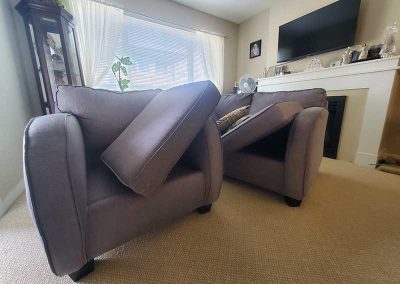
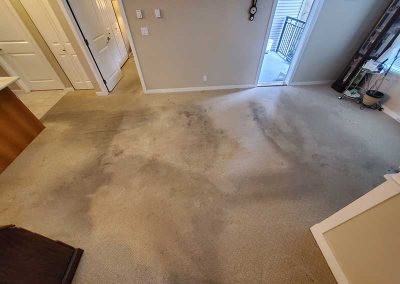
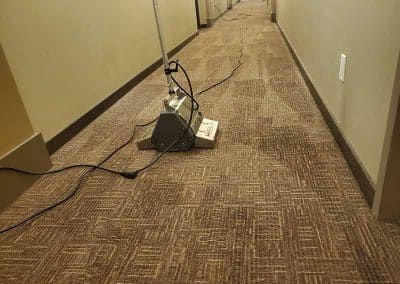
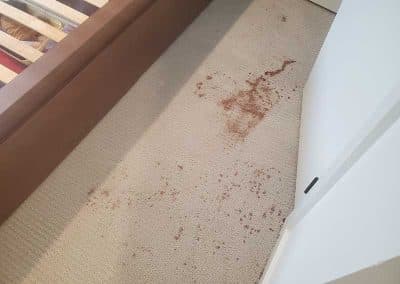
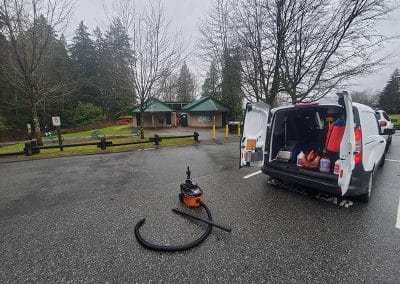
We take tremendous pride in the results we deliver for our clients. The photos speak for themselves.
Why Choose Us
Business License, Criminal Record Check, Trained Technicians, Professional Tools, Professional Solutions, Better Results and Quality, Transparent Pricing and no Hidden Fees, Health Benefits, Professional Operation of Tools, Mobi Cleaning Difference, Flexible Scheduling, On-Time, Maintenance, Great Competitive Value, Customer Satisfaction Focused, IICRC Trained, Green Cleaning, Reputation, Property Protection, Fast Drying Carpets, 100 Percent Satisfaction Guarantee, Experience, Professional Processes, First-Class Service, Fast Response Time, Free Consultation and Estimates, Competitive Pricing and Dedicated Account Manager