












Why Does My Bathroom Get So Dusty? Causes and Practical Solutions
If you feel like you are constantly wiping down your bathroom surfaces, you are not imagining it.
Bathrooms collect and trap dust significantly faster than almost any other room in a home.
This rapid accumulation happens because bathrooms combine high humidity, heavy fabric friction, and intensive grooming activities within a confined, poorly ventilated space.
Understanding the exact mechanics of bathroom dust allows you to take targeted action to control it.
The Primary Causes of Bathroom Dust
Significant dust accumulation in a bathroom is rarely caused by outdoor dirt.
Instead, it is driven by a unique combination of indoor environmental factors.
- Poor Ventilation and Clogged Ductwork
A properly functioning exhaust fan is your primary line of defense against bathroom moisture and airborne debris. Over time, hairspray, steam, and skin dander form a sticky film inside the fan housing and connected ductwork. This sticky residue acts like a magnet, clogging your ventilation system. When the HVAC system cycles on, leaks or pressure imbalances can force trapped dust back out through the bathroom vents. Furthermore, the National Air Duct Cleaners Association (NADCA) recommends professional duct cleaning every three to five years to prevent this exact issue.
- High Humidity Levels
In dry rooms, lightweight dust particles float suspended in the air for hours.
In a bathroom, steam from hot showers introduces heavy moisture into the air.
This moisture binds directly to the floating dust particles, weighing them down.
As a result, the heavy, damp dust drops rapidly out of the air, gluing itself to mirrors, countertops, baseboards, and walls.
This is why bathroom surfaces look dusty again just hours after you clean them.
- Saturated Fabric Lint and Toilet Paper Fuzz
Bathrooms are filled with high-friction fabrics.
Fluffy bath towels, washcloths, and bathmats shed thousands of microscopic cotton fibers every time they are used or shaken.
Additionally, unrolling toilet paper shears the paper edges, sending fine cellulose lint airborne.
This airborne lint quickly settles on surrounding fixtures, creating a thick, grey layer of dust.
- Skin Cells and Grooming Activity
Human dust is primarily composed of microscopic dead skin cells.
The bathroom is the central hub for intensive grooming activities such as showering, shaving, towel-drying, brushing, and blow-drying hair.
These activities aggressively shed skin cells and hair fragments into the immediate environment, providing an abundant food source for dust mites.
- Sticky Product Residue
Hairspray, body sprays, colognes, and evaporated soap scum leave an invisible, tacky residue on bathroom vertical and horizontal surfaces. Even if dust particles manage to stay airborne briefly, the moment they touch these sticky surfaces, they become permanently trapped and much harder to wipe away with standard cleaning methods.
Why Dust Returns Instantly After You Clean
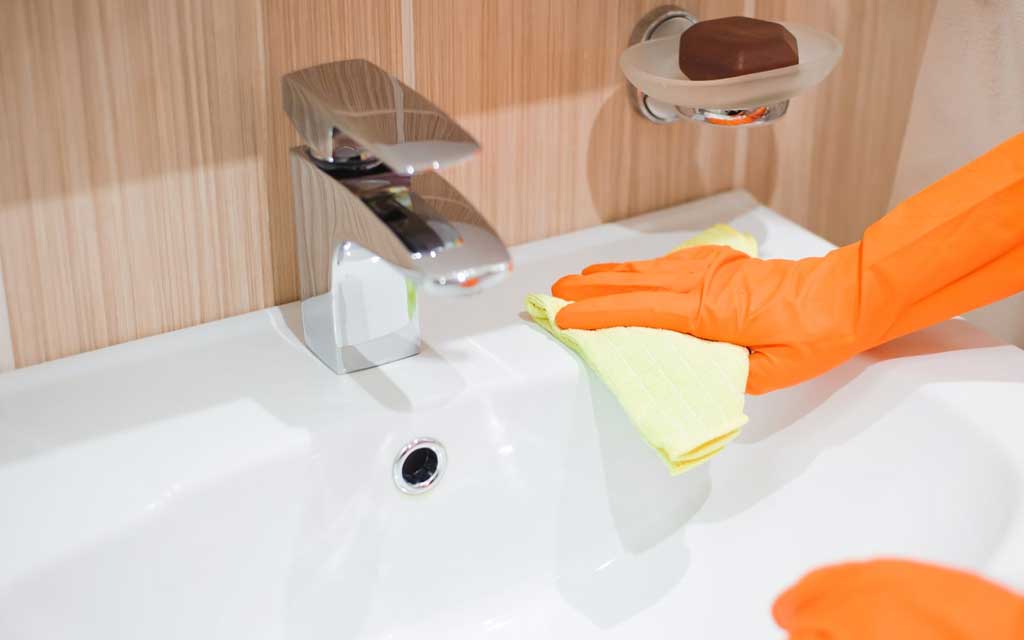
If your bathroom looks dusty immediately after a cleaning session, your cleaning technique or tools may be to blame. Dry dusting with a traditional feather duster or dry rag does not capture dust; it simply launches the particles back into the air. Once you finish cleaning, those airborne particles slowly settle right back down onto the exact same surfaces. To prevent this, always use a slightly damp microfiber cloth, which uses an electrostatic charge to permanently grip and lock in the particles.
The Impact of Bathroom Dust on Health and Hygiene
Neglecting bathroom dust creates serious health risks and structural cleaning challenges over time.
Respiratory Allergies and Dust Mites
Inhaling fine dust particles triggers coughing, sneezing, and chronic sinus irritation. Furthermore, dust mites thrive in warm, humid environments where they can absorb water vapor directly from the air. This makes damp bathrooms their ideal breeding ground.
When dust mite waste products become airborne and are inhaled, they can trigger severe asthma attacks and allergic reactions.
Common symptoms of dust-related respiratory distress include:
- Persistent sneezing and nasal congestion
- Itchy, watery eyes and scratchy throat
- Difficulty breathing or chest tightness
- Poor sleep quality due to nocturnal coughing
Accelerated Mold and Mildew Growth
Dust particles are highly porous and frequently carry microscopic mold spores. When heavy dust collects on damp bathroom surfaces or inside clogged exhaust vents, it creates the ultimate incubator for black mold and mildew. The dust provides the organic food source (dead skin cells), while the shower provides the moisture. Controlling your bathroom dust is a critical step in overall mold prevention.
Home Maintenance Checklist to Reduce Bathroom Dust
While you cannot eliminate dust entirely, establishing a consistent maintenance routine will drastically reduce its accumulation.
Daily Routine
- Run the Exhaust Fan: Keep the fan running during your shower and for a minimum of 15 to 20 minutes afterward to completely clear out humidity.
- Keep Doors Open: Leave the bathroom door open when the room is vacant to maximize cross-ventilation and airflow.
Weekly Routine
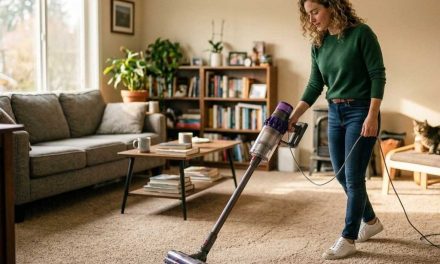
- Vacuum Thoroughly: Use a vacuum cleaner equipped with a certified HEPA filter to clean bathroom floors, baseboards, and the tight spaces behind the toilet.
- Wipe with Damp Microfiber: Clean mirrors, countertops, light fixtures, and shelving using a damp microfiber cloth to trap all settled particles.
- Wash Bathroom Linens: Launder towels, washcloths, and bathmats weekly to minimize fabric lint shedding.
Monthly Routine
- Clean the Exhaust Fan Cover: Remove the plastic grill from your ceiling fan, vacuum away the accumulated lint blocks, and wipe it down with soapy water.
- Inspect HVAC Filters: Check and replace your main home furnace filter to ensure it is actively capturing airborne particles before they travel to the bathroom.
If you are struggling to keep up with persistent bathroom dust or suspect your ventilation system is compromised, let us know:
- Would you like to schedule a professional deep cleaning to eliminate built-up surface residue?
- Do your home HVAC air ducts or exhaust fans need a professional cleaning to clear out hidden dust reservoirs?
- Are you dealing with any visible mold or mildew growth caused by trapped bathroom moisture?
We can dispatch a local team from mobicleaning.ca equipped with industrial extraction tools and HEPA filtration systems to completely sanitize your bathroom environment.
Call Us
778.801.8595
SEND US AN EMAIL
book@mobicleaning.ca
Text Us
778.801.8595
Contact Us For Cleaning Services
Real Results
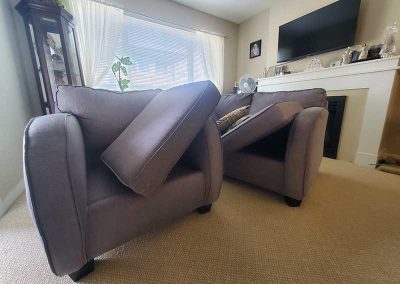
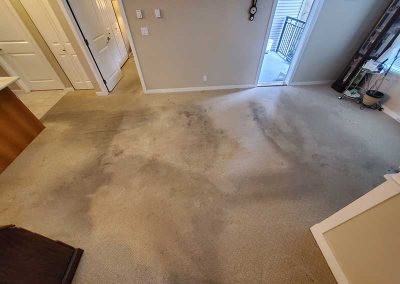
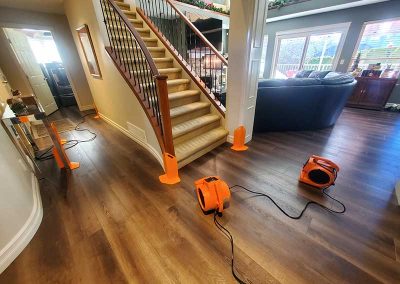
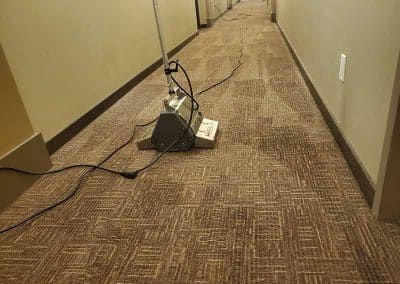
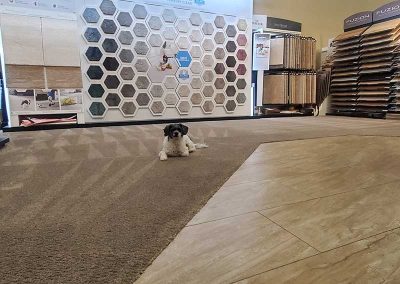
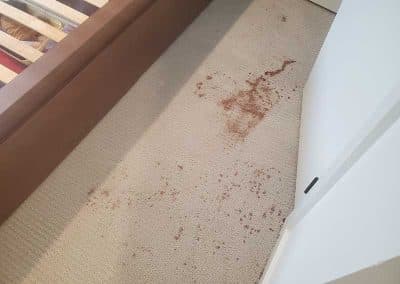
We take tremendous pride in the results we deliver for our clients. The photos speak for themselves.
Why Choose Us
Business License, Criminal Record Check, Trained Technicians, Professional Tools, Professional Solutions, Better Results and Quality, Transparent Pricing and no Hidden Fees, Health Benefits, Professional Operation of Tools, Mobi Cleaning Difference, Flexible Scheduling, On-Time, Maintenance, Great Competitive Value, Customer Satisfaction Focused, IICRC Trained, Green Cleaning, Reputation, Property Protection, Fast Drying Carpets, 100 Percent Satisfaction Guarantee, Experience, Professional Processes, First-Class Service, Fast Response Time, Free Consultation and Estimates, Competitive Pricing and Dedicated Account Manager