




Water Damage Restoration and Repair 101
The Definitive Guide to Emergency Water Damage Restoration and Repair
Water damage is one of the most stressful and costly issues a Canadian homeowner can face.
Dealing with an indoor flood stands out as one of the most anxiety-inducing and financially draining crises a Canadian property owner can experience.
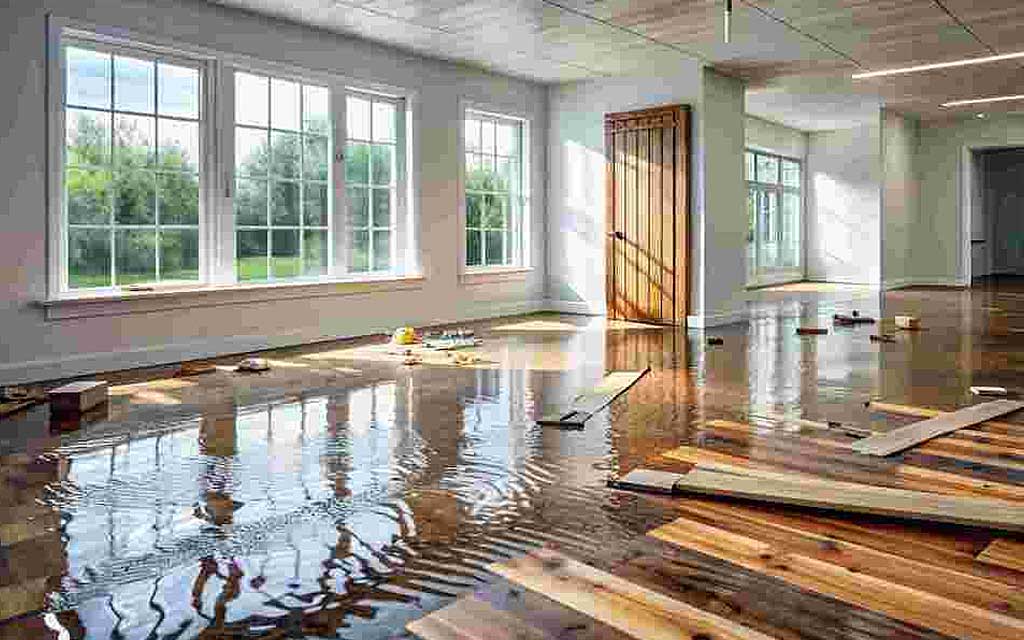
Burst pipes, appliance leaks, heavy rainfall, and sudden sewer backups can turn a normal day into a property disaster if the water is not extracted immediately.
Ruptured water lines, malfunctioning household appliances, torrential downpours, and unexpected drain backups can instantly transform an ordinary afternoon into a full-scale structural catastrophe if the liquid is not vacuumed up right away.
Many property owners do not realize how common this issue is.
A vast majority of building managers are completely unaware of just how frequently these liquid disasters take place.
Insurance data shows that water damage is now the leading cause of home insurance claims across Canada, outstripping fire damage.
National underwriting statistics reveal that structural moisture issues have officially surpassed structural fires as the primary catalyst for residential indemnity claims throughout Canada.
Furthermore, a significant percentage of these claims happen to properties located completely outside traditional high-risk flood plains.
In addition, a massive portion of these insurance payouts involve residential structures situated entirely clear of designated high-risk geographic flood basins.
When water floods your home or business, the cleanup requires much more than a simple mop and bucket.
When a sudden deluge fills your residential layout or office floor plan, managing the aftermath demands far more power than a standard household mop and wringer can provide.
Contaminated water, hidden structural moisture, and rapid mold growth can create permanent health risks and structural rot if left untreated.
Bio-hazardous fluids, trapped skeletal humidity, and aggressive fungal blooms will trigger long-term respiratory health hazards and structural wood rot if left unresolved.
This specialized cleanup process is known as water damage remediation.
This highly technical, deep-sanitizing extraction pipeline is professionally referred to as water damage remediation.
In this comprehensive guide, we break down exactly what water damage remediation involves, how it differs from basic mitigation, and the precise steps professionals take to safely dry and rebuild your property.
Inside this definitive educational resource, we outline precisely what the mitigation process entails, map out how it differs from primary damage control, and explain the exact mechanical steps experts deploy to dry and reconstruct your building.
What is Water Damage Remediation?
Defining Professional Water Damage Remediation
Water damage remediation is the complete, professional process of extracting water, drying out the building’s infrastructure, sanitizing contaminated zones, and repairing structures damaged by moisture.
True remediation represents an exhaustive, expert methodology encompassing emergency fluid pumping, skeletal structural drying, biological decontamination, and the full physical rebuilding of moisture-compromised materials.
The core goal is to eliminate all trace humidity, halt mold before it starts, and return your property to a safe, healthy state.
The overarching mission is to completely vanish all lingering micro-humidity, stop fungal colonies before they can germinate, and bring your living spaces back to a perfectly secure, hygienic baseline.
Professional remediation typically includes:
Expert Remediation Service Packages Encompass:
- Extracting standing water immediately.
- Instantaneous Fluid Pumping: Vacuuming up pools of stagnant floor water immediately upon arrival.
- Deep drying structural framing, subfloors, and drywall.
- Deep Structural Dehumidification: Pulling core dampness out of framing timbers, plywood subflooring, and wallboards.
- Disinfecting and sanitizing all affected surfaces.
- Broad-Spectrum Disinfection: Washing down and sanitizing all moisture-exposed planes to kill bio-contaminants.
- Tearing out unsalvageable, water-logged materials.
- Targeted Material Demolition: Safely removing and discarding heavily saturated, non-restorable porous items.
- Rebuilding and restoring the space to pre-loss condition.
- Full Reconstructive Carpentry: Remodeling and finishing the target rooms back to their beautiful, original state.
While a minor spill from an overflowing sink can occasionally be managed with household fans, medium-to-large water losses require industrial-grade extraction equipment, professional-grade dehumidifiers, and thermal imaging technology to ensure hidden moisture is completely gone.
While a tiny splash from a backed-up bathroom basin can sometimes be cleared using retail box fans, moderate to severe property floods mandate commercial-grade truckmount extractors, industrial desiccant dehumidifiers, and infrared heat cameras to guarantee deep moisture pockets are entirely eradicated.
Water Mitigation vs. Remediation vs. Restoration
Breaking Down the Timeline: Water Mitigation vs. Remediation vs. Restoration
While these terms are frequently lumped together by property owners, they actually represent three distinct, critical phases of the emergency cleanup timeline.
Though these phrases are routinely cross-contaminated by everyday consumers, they actually denote three completely separate, vital milestones along the recovery timeline.
- Water Mitigation
- Immediate Water Mitigation (Phase One):
Mitigation focuses strictly on containment and damage control.
Mitigation centers exclusively on immediate physical containment and minimizing ongoing asset losses.
The goal here is to stop the water at its source, shut off electricity to affected zones, and extract the bulk of the standing water to prevent it from soaking deeper into your floors and walls.
The immediate focus during this phase is capping the liquid flow at the main valve, isolating electrical breakers in saturated zones, and pulling up the primary pools of floor water so they cannot migrate into adjacent drywall sheets.
- Water Damage Remediation
- Advanced Structural Remediation (Phase Two):
Remediation is the cleaning, sanitizing, and environmental stabilization phase.
Remediation constitutes the core sanitation, biological neutralizing, and environmental drying milestone of the project.
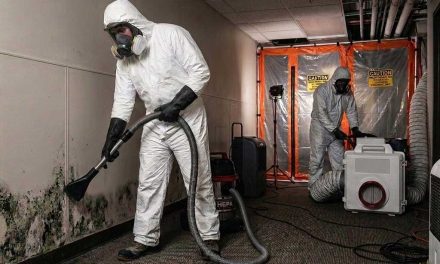
This involves deploying industrial dehumidifiers, applying antimicrobial treatments to stop mold, and removing completely ruined porous materials like carpets or insulation.
This critical stage involves operating high-velocity air movers, misting medical-grade antimicrobials to neutralize spores, and stripping out completely degraded porous elements like wet fiberglass batts or ruined underpads.
- Water Damage Restoration
- Complete Property Restoration (Phase Three):
Restoration is the final rebuilding phase.
Restoration represents the concluding structural construction and aesthetic finish work phase.
This is where your property is put back together.
This is the rewarding period where your home interior is physically put back together from the framing up.
It includes hanging new drywall, installing fresh flooring, replacing cabinetry, and painting so that the space looks exactly like it did before the flood.
Our crews focus on hanging fresh drywall sheets, laying down brand-new flooring planks, hanging custom kitchen cabinetry, and applying fresh coats of paint until the room perfectly mirrors its pre-flood elegance.
Common Causes of Household Water Damage
Typical Triggers for Residential Interior Flooding
Indoor flooding can trigger at any moment due to a variety of internal and external factors.
Property sub-floors can become inundated without warning due to an array of structural mechanical drops or severe local weather fluctuations.
The most frequent culprits include:
The Most Common Operational Failures Include:
- Burst plumbing lines or frozen pipes during harsh winter freezes.
- Ruptured Core Plumbing: Catastrophic pipe failures triggered by deep sub-zero winter temperatures freezing copper lines.
- Appliance failures from worn dishwasher or washing machine hoses.
- Appliance Line Blowouts: Heavy flooding stemming from cracked dishwasher lines or dry-rotted washing machine feed hoses.
- Roof leaks caused by wind, hail, or severe ice damming.
- Roof Envelope Breaches: Hidden ceiling drips resulting from windstorms, driving hail, or severe winter ice dams.
- Overflowing fixtures like clogged toilets, bathtubs, or sinks.
- Fixture Overflows: Uncontrolled plumbing basin spills caused by heavily blocked toilet traps, tubs, or vanity sinks.
- Blocked gutters and downspouts that back water up into the roofline or foundation.
- Choked Drainage Systems: Eavestrough gutters packed with debris that force roof runoff backward into soffits or down foundation walls.
- Sump pump failures during heavy seasonal rainstorms.
- Sump Basin Mechanical Failures: Submersible pump drops during intense, high-volume seasonal rainstorms.
- Overland flooding from severe weather events.
- Overland Weather Deluges: Rising surface waters caused by severe, torrential regional flash flooding events.
The 3 Categories of Water Contamination
Understanding the Three Classes of Fluid Contamination
Not all floodwater is identical.
Every individual indoor flood incident features its own distinct biological profile.
Restoration professionals categorize indoor water into three distinct tiers based on contamination levels.
Certified restoration field specialists sort incoming property moisture into three distinct severity classes based on the volume of hazardous particles present.
The category of the water dictates the safety gear required and the intensity of the cleanup.
The specific fluid category safely determines the exact level of personal protective equipment (PPE) required and shapes our structural cleaning methodology.
Category 1: Clean Water
Category 1: Sanitize-Grade Clean Water
This water originates from a clean source, such as a broken freshwater supply line or pristine rainwater.
This fluid flows directly from a sanitary, non-hazardous point of origin, such as a cracked copper drinking water line or direct clear sky rainfall.
While it poses no immediate biological threat to humans, Category 1 water can quickly degrade into Category 2 or 3 if left sitting in a warm home for more than 24 hours.
While it carries no immediate bacterial dangers to your family, clean category 1 fluids will rapidly ferment into highly hazardous category 2 or 3 states if left stagnant in a warm room for over 24 hours.
Category 2: Grey Water
Category 2: Contaminated Grey Water
Grey water contains a significant level of chemical or biological contaminants.
Grey water houses a measurable concentration of chemical cleaners or mild organic waste products.
Examples include discharge from washing machines, dishwashers, or a toilet overflow containing urine but no feces.
Classic real-world examples encompass soapy effluent from laundry drains, dishwasher pump-outs, or bathroom toilet overflows containing liquid urine without solid feces.
Exposure or splashing can cause discomfort or illness.
Direct physical contact or facial splashing with these fluids can induce physical sickness or skin irritation.
Category 3: Black Water
Category 3: Highly Hazardous Black Water
Black water is highly unsanitary and deeply hazardous.
Black water represents a grossly unhygienic, bio-toxic substance that presents extreme human health risks.
It contains dangerous pathogens, sewage, bacteria, or toxic chemicals.
This dangerous fluid is heavily laden with living medical pathogens, human sewage strains, multiplying bacteria colonies, or harsh industrial chemicals.
Examples include sewage backups, rising river water, and overland ground flooding.
Typical scenarios feature municipal main sewer backups, breached riverbanks, and muddy overland runoff sweeping across roadways.
Category 3 water requires specialized protective equipment (PPE) and strict professional handling to ensure a safe environment.
Managing a category 3 biohazard requires advanced respiratory gear, heavy-duty protective tracking suits, and strict professional decontamination steps to make the building habitable again.
Why Speed is Your Only Weapon Against Water Damage
Why Immediate Action is Your Best Defense Against Water Destruction
When it comes to flooding, time is your greatest enemy.
When moisture enters an enclosed space, the ticking clock becomes your ultimate adversary.
According to health and environmental protection agencies, mold can begin growing on damp organic surfaces within 24 to 48 hours after initial moisture exposure. This incredibly tight window is why emergency response is paramount.
According to public health guidelines and environmental defense studies, toxic fungal spores can successfully colonize wet drywall and wood within a brief 24 to 48-hour window from the moment of impact, which is why round-the-clock emergency dispatch remains absolutely vital.
If moisture remains trapped behind baseboards, under vinyl flooring, or inside wall cavities, it will inevitably lead to:
Allowing moisture to sit unchecked behind perimeter baseboards, beneath laminate floor layers, or inside enclosed wall voids ensures the following outcomes:
- Rapid toxic mold colonization
- Aggressive Fungal Growth: Massive, hidden infestations of black toxic mold strains.
- Wood rot and structural sagging
- Structural Timber Rot: The softening and bowing of structural floor joists and load-bearing studs.
- Delamination of subfloors and drywall failure
- Material Disintegration: The peeling apart of plywood subfloors and complete structural collapse of saturated drywall sheets.
- Foul, stagnant, embedded odors
- Embedded Stale Odors: The formation of foul, deep-set, musty odors that permanently anchor into the building envelope.
The Mobi Cleaning Canada Remediation Process
The Mobi Cleaning Canada Systematic Restoration Protocol
Our team follows a highly structured, scientifically backed structural drying protocol to ensure your home is dried thoroughly and safely.
Our certified response crew executes a meticulously organized, psychrometric-based drying sequence designed to safely purge moisture from your living spaces.
The Mobi Cleaning Canada Remediation Process
Our Thorough, Multi-Stage Property Sanitization Sequence
Our team follows a highly structured, scientifically backed structural drying protocol to ensure your home is dried thoroughly and safely.
We implement a highly organized, advanced scientific methodology to guarantee your residential interior recovers thoroughly and securely.
Inspection & Assessment
- Thermal Inspection & Moisture Mapping
We map out the hidden moisture boundaries using advanced moisture meters and thermal imaging cameras.
We accurately track down and outline the hidden perimeters of trapped moisture utilizing electronic pinless meters and infrared thermal imaging arrays.
Water Extraction
- High-Capacity Water Extraction
Submersible pumps and truck-mounted vacuum systems rapidly pull thousands of gallons of standing water out of your home.
Heavy-duty submersible trash pumps and high-vacuum truckmounted extraction systems swiftly draw thousands of gallons of standing water out of your lower levels.
Drying & Dehumidification
- Applied Structural Drying & Dehumidification
Industrial air movers circulate high-velocity air while commercial desiccant dehumidifiers extract moisture out of the air and walls.
Commercial axial air movers blast high-velocity airflow across floors while industrial desiccant dehumidifiers continually pull bound moisture out of the air currents and wood framing.
Sanitization & Odour Control
- Biological Sanitization & Molecular Odour Control
Surfaces are treated with eco-friendly, professional-grade antimicrobials to eliminate bacteria, mold spores, and musty smells.
All exposed structural surfaces are thoroughly misted with botanical, non-toxic antimicrobials engineered to obliterate bacteria strains, kill lingering mold spores, and neutralize musty stenches.
Reconstruction
- Turnkey Reconstruction & Build-Back
Our build-back teams replace ruined materials like drywall, trim, and flooring to perfectly restore your space.
Our skilled finish carpentry teams seamlessly replace all discarded wallboards, decorative trim profiles, and floor coverings to bring your interior back to a flawless finish.
Understanding the Costs of Remediation
Evaluating the Financial Realities of Remediation Projects
The total investment required to fix water damage depends heavily on the size of the room, how long the water sat, and the contamination category.
The ultimate financial investment needed to remediate a flood depends completely on net room square footage, the total hours the materials remained submerged, and the category classification of the fluid.
Industry data indicates that standard residential water restoration jobs typically range from $1,350 to $6,000, while major, whole-home structural failures or severe sewage backups can easily exceed $15,000.
National restoration cost data demonstrates that typical single-room home water extractions average between $1,350 and $6,000, whereas multi-level structural failures or raw municipal sewage backflows can comfortably rise beyond $15,000 to successfully resolve.
The total price tag is dictated by:
The final cost breakdown is determined by:
- The overall square footage of the water damage zone.
- The net size of the disaster zone: The physical square footage of the rooms impacted by moisture tracking.
- The category of water (Black water requires costlier hazardous waste protocols).
- The contamination tier of the fluid: Bio-hazardous fluids like black water demand strict, expensive containment and safety protocols.
- The specific types of materials affected (e.g., solid hardwood vs. cheap laminate).
- The exact composition of your flooring and walls: Premium materials like solid oak planks cost more to restore or replace than basic synthetic laminates.
- Whether mold has already begun to grow.
- The presence of active fungal growth: Projects where toxic mold spores have already germinated require additional containment steps.
Taking action within the first few hours is the single best way to minimize your total repair costs.
Deploying an emergency response team within the first few hours remains the absolute finest method to slash your total reconstruction expenses.
Proactive Tips to Prevent Water Damage
Smart Preventative Strategies to Block Water Disasters
The best way to handle water damage is to prevent it from ever happening. Incorporate these routine maintenance steps into your home care checklist:
The most effective way to manage a home flood is to stop it from ever manifesting by adding these straightforward checkpoints to your seasonal maintenance list:
- Inspect appliance hoses annually on your washing machine and dishwasher; replace brittle hoses immediately.
- Review Appliance Connections Yearly: Check the supply lines feeding your clothes washer and kitchen dishwasher annually, swapping out stiff or cracked hoses immediately.
- Clear out your gutters every spring and autumn to keep rainwater moving away from your foundation.
- Maintain Eavestrough Channels: Scoop all debris out of your roof gutters each spring and fall to ensure rainwater routes safely clear of your concrete foundation walls.
- Test your sump pump twice a year, especially before the spring thaw, and consider installing a battery-powered backup system.
- Audit Your Sump Pump Mechanics: Check your submersible basement pump twice a year, particularly prior to seasonal freezes or heavy rainy periods, and invest in a battery backup power supply.
- Check plumbing connections under sinks and behind toilets regularly for slow, silent drips.
- Scan Hidden Plumbing Joints: Regularly examine the supply valves located beneath vanity basins and behind toilet tanks to catch slow, unnoticeable leaks early.
- Install smart leak detection sensors in high-risk zones like utility rooms and basements to alert your phone the second moisture is detected.
- Deploy Digital Moisture Sensors: Secure smart wireless leak detectors throughout utility closets and crawlspaces to send an instant notification to your mobile device the moment water touches the floor.
Even tiny leaks add up. Environmental data shows that typical household leaks can waste thousands of litres of water annually per home. Catching these minor plumbing drips early protects both your wallet and your property structure.
Minor drips accumulate rapidly; resource management data reveals that common residential plumbing leaks waste thousands of liters of clean water every single year. Flagging these tiny drops early shields your checking account and preserves your building’s structural health.
When to Call a Certified Professional
When It Is Crucial to Contact a Certified Restoration Firm
You should immediately skip the DIY approach and call the professionals at Mobi Cleaning Canada if:
You must bypass home remedies entirely and reach out to the extraction crew at Mobi Cleaning Canada immediately if you encounter these scenarios:
- There is standing water that cannot be cleared with a household shop-vac in 10 minutes.
- Substantial Standing Pools: Large pools of water remain on the floor that exceed the lifting capability of a standard retail shop vacuum.
- The source is a sewage backup or outdoor ground flooding (Category 3).
- Bio-Hazardous Fluid Intrusion: The source of the flood stems from a municipal sewer backup or muddy outdoor overland runoff.
- Water has visibly wicked up into your drywall or soaked through the subfloor.
- Deep Structural Saturation: Moisture has visibly climbed up the face of your baseboards or fully drenched the underlying subfloor panels.
- You smell a musty odor or suspect mold has already taken root.
- Musty Scents and Fungal Spores: You notice a sour, stagnant smell or have reason to believe mildew is actively spreading inside the wall voids.
- The flooded area covers a significant portion of your living space.
- Widespread Structural Inundation: The liquid loss stretches across a major percentage of your active residential or corporate layout.
Trust Mobi Cleaning Canada for Professional Restoration
Partner with Mobi Cleaning Canada for Elite Structural Restoration
Water damage of any scale is a ticking clock. Attempting to dry out a modern home with residential fans often leaves pockets of high humidity trapped inside wall cavities—creating the perfect hidden breeding ground for mold.
A structural flood of any volume represents a literal ticking clock. Trying to dehumidify a modern building using standard household fans inevitably leaves hidden reservoirs of heavy moisture locked inside wall cavities—sparking the ultimate environment for invisible mold growth.
Don’t risk the structural integrity of your property or the health of your family. Trust the certified experts at Mobi Cleaning Canada to return your residential or commercial property to pristine condition. Backed by industry-leading extraction technology, deep technical expertise, and a commitment to rapid emergency response, we are here to support you when you need it most.
Never gamble with the structural safety of your building envelope or the respiratory health of your loved ones. Depend on the fully certified experts at Mobi Cleaning Canada to bring your residential house or commercial office back to a spotless state. Powered by advanced high-vacuum truckmounted gear, deep diagnostic training, and a strict commitment to 24/7 rapid emergency dispatch, we are standing by to guide you through the recovery process when it matters most.
Contact Mobi Cleaning Canada today to protect your property from the devastating effects of water damage.
Get in touch with Mobi Cleaning Canada today to defend your valuable property against the costly, destructive impacts of structural water damage.
Call Us
778.801.8595
SEND US AN EMAIL
book@mobicleaning.ca
Text Us
778.801.8595
Contact Us For Cleaning Services
Real Results
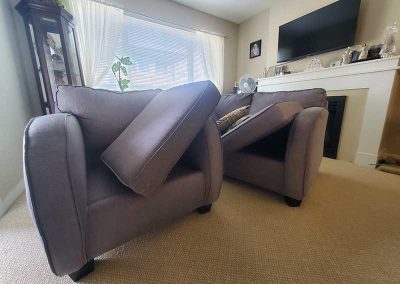
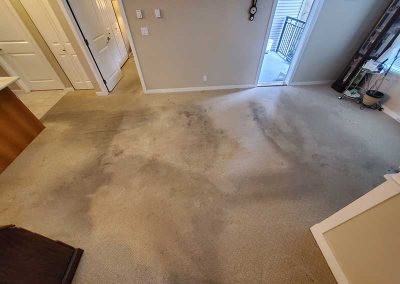
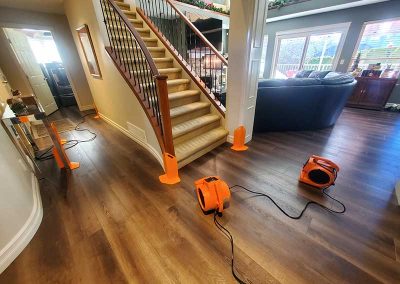
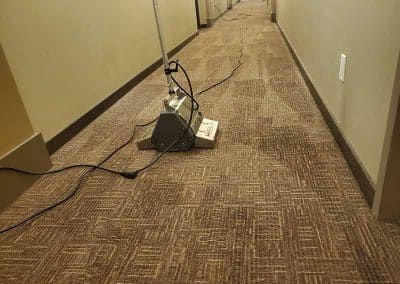
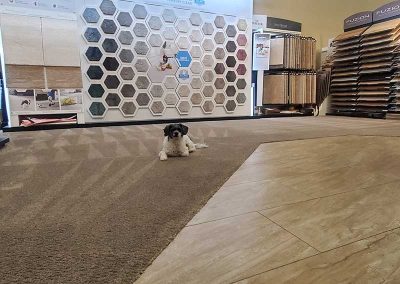
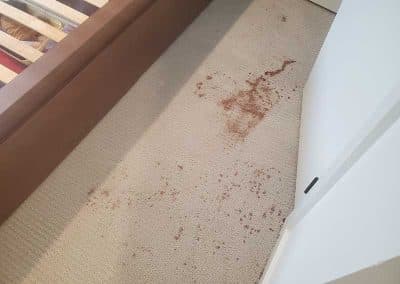
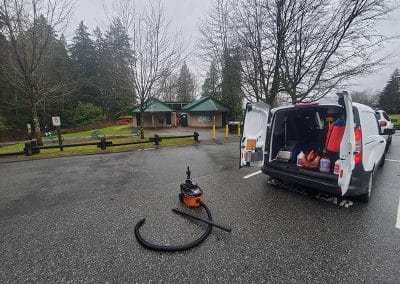
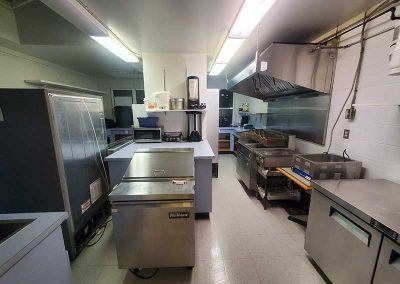
We take tremendous pride in the results we deliver for our clients. The photos speak for themselves.
Why Choose Us
Business License, Criminal Record Check, Trained Technicians, Professional Tools, Professional Solutions, Better Results and Quality, Transparent Pricing and no Hidden Fees, Health Benefits, Professional Operation of Tools, Mobi Cleaning Difference, Flexible Scheduling, On-Time, Maintenance, Great Competitive Value, Customer Satisfaction Focused, IICRC Trained, Green Cleaning, Reputation, Property Protection, Fast Drying Carpets, 100 Percent Satisfaction Guarantee, Experience, Professional Processes, First-Class Service, Fast Response Time, Free Consultation and Estimates, Competitive Pricing and Dedicated Account Manager