










How Frequently Must You Dust Your Home? A Comprehensive Guide to Improving Indoor Air Quality
Did you know that a solitary gram of household debris can harbor as many as 500 live dust mites?
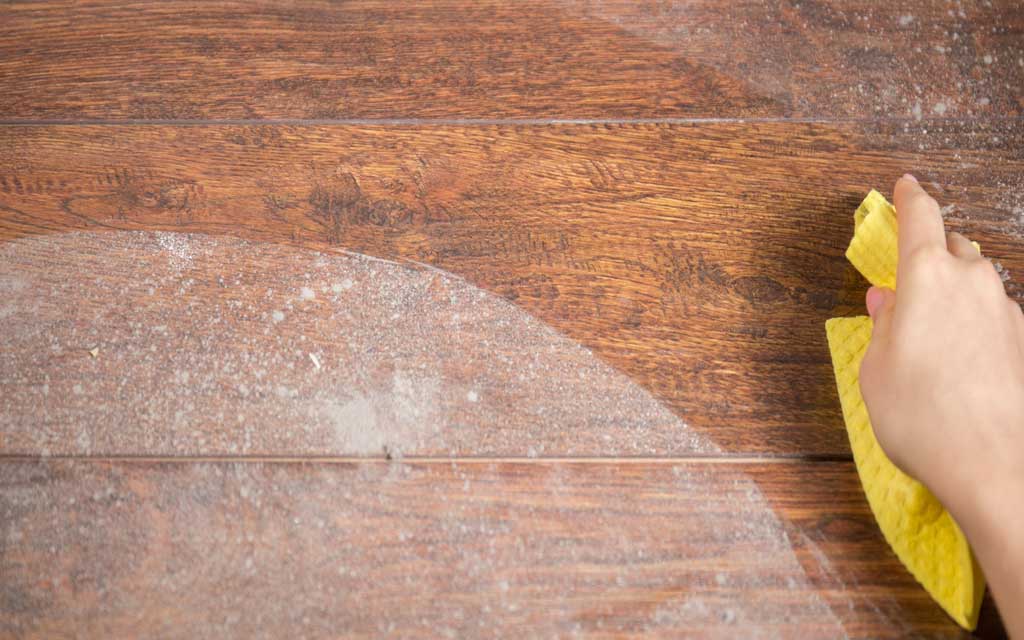
A building’s dust is a intricate blend of organic and synthetic particles suspended throughout your indoor living zones. It consists of shed human skin cells, domestic pet dander, outdoor dirt tracked indoors, seasonal pollen, microscopic bacteria, synthetic microplastics, and airborne mold spores. Microscopic dust mites survive solely by consuming these sloughed skin flakes and fungal deposits. Because a typical Canadian household generates several kilograms of debris over a single year, your floors and furniture can rapidly transform into an active breeding site for these microscopic organisms.
Across Canada, millions of residents battle environmental allergies and respiratory complications triggered directly by dust mites. Regularly inhaling these accumulated particulate clouds places a direct burden on your pulmonary system. Implementing a rigid, consistent sanitization routine is absolutely essential for keeping your indoor breathing air pure and shielding your household’s health.
The Household Dusting Schedule (Quick Reference Checklist)
For standard residential properties, performing a detailed dusting at least once every week is mandatory to protect your indoor air quality and neutralize active allergens.
With that said, your unique household lifestyle will modify this baseline cleaning frequency:
- Properties with Dogs or Cats: Clean every 2 to 3 days (ideally twice weekly).
- Individuals with Allergies or Asthma: Maintain a minimum schedule of twice per week.
- High-Occupancy or High-Traffic Homes: Execute surface detailing twice every week.
- Low-Traffic, Pet-Free Residences: A single weekly cleaning session is generally adequate.
The Invisible Hazards of Neglecting Your Home Dusting Routine
Particulate buildup is a non-negotiable consequence of daily residential life. While completely eradicating every speck is impossible, initiating a proactive cleaning framework stops these particles from sparking respiratory issues or causing permanent damage to your property.
How Airborne Debris Inflames Your Pulmonary Health
Breathing in fine particulate matter causes immediate irritation to delicate lung tissue. As these airborne irritants pass into our respiratory tracts, the human body instinctively initiates coughing and sneezing cycles to physically eject the foreign materials.
Fascinatingly, the physical dust mites themselves are not what cause allergic flare-ups. The actual source of environmental distress is the microscopic fecal matter and waste left behind by the mite colony. When these potent biological waste particles are inhaled, they trigger immediate sinus congestion, watery eyes, persistent sneezing, and acute asthma attacks.
How Accumulated Particulates Wear Down Home Finishes and HVAC Infrastructure
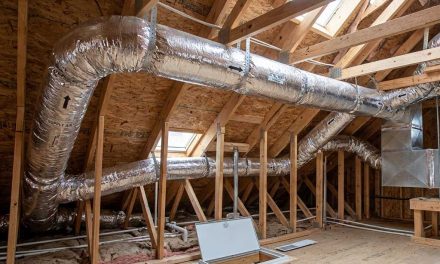
Beyond health vulnerabilities, heavy blankets of dust directly impair your property’s mechanical equipment and soft fabric surfaces. Floating particles are continuously sucked straight into your residential heating, ventilation, and air conditioning (HVAC) infrastructure.
As months pass, this trapped material collects inside dark duct networks, where it absorbs environmental humidity, fosters mold growth, and restricts vital system airflow. This clogs up your furnace assembly, forces your heating and cooling equipment to run under constant strain, and culminates in expensive mechanical failures. Furthermore, unmanaged dust forms a permanent chemical bond with window blinds, fabric drapery, and soft window treatments if it is not routinely wiped away.
Primary Incentives to Maintain an Exact Surface Cleaning Regimen:
- Domestic dust holds hazardous microplastics, outdoor synthetic chemicals, and bacteria that actively inflame pulmonary airways.
- Inhaling the biological waste products of dust mites triggers severe allergic responses and chronic sinus inflammation.
- Leaving dust accumulations unchecked directly worsens asthma attacks and chronic respiratory conditions.
- Debris settling inside hidden HVAC ductwork feeds hidden mold colonies and triggers premature mechanical breakdowns.
Recommended Cleaning Frequencies by Home Zone
To keep your living spaces immaculate, divide your cleaning routine into targeted phases based on how rapidly airborne particles settle on different surfaces.
Weekly Cleaning Rotations
- Fabric mattresses, bed frames, and master bedroom nightstands.
- Entertainment centers, television stands, gaming setups, and home electronics.
- Living room coffee tables, formal dining tables, and accent side tables.
- Frequently touched display shelving and fireplace mantels.
Every 2 to 4 Weeks
- Overhead ceiling fan blades and hanging light fixtures.
- Inner window sills and horizontal window blinds.
- Floor-level baseboards and decorative door trim moldings.
Monthly or Seasonal Maintenance
- Hidden tops of tall kitchen cabinetry and high bookshelves.
- Ceiling crown moldings and upper room corners.
- Exposed wall registers, cold air return vents, and bathroom exhaust fans.
- Carpeted zones located directly behind and beneath heavy furniture items.
Key Elements That Accelerate Home Dust Production
While a standard house requires weekly care, four specific environmental factors dictate exactly how quickly dust blankets your unique living space.
- Pet Dander and Microscopic Organisms
Domestic animals are a primary catalyst for rapid household debris accumulation. Dogs and cats continuously shed dander (dead skin cells) alongside their natural fur. Laboratory analysis reveals that households with pets harbor entirely different profiles of environmental bacteria compared to animal-free environments. This organic dander is launched into the air the moment there is movement in the room. To keep this biological buildup under control, dust twice weekly and adhere to a strict pet grooming routine.
- Localized Climate Conditions and Interior Humidity Levels
Particulates pile up significantly faster in arid regions or during freezing Canadian winters when central heating strips moisture from the air. In low-humidity environments, lightweight dust particles hover in the air indefinitely because there is no ambient moisture to weigh them down. This allows them to stay in continuous circulation. Running a dedicated humidifier can help add weight to these floating particles so they drop out of the air faster, allowing them to be wiped away easily.
- Foot Traffic Patterns and Household Occupancy
Given that tracked-in soil and shed human skin cells comprise the vast majority of household dust, the more individuals living in or entering a property, the faster debris accumulates. Massive families, energetic kids, and frequent entertaining mean you will need to sanitize high-traffic zones multiple times per week.
- Spaces Dominated by Dense Fabrics
Dust mites swarm wherever organic food supplies match their perfect nesting habitats. They flourish in fabric-dense zones that easily trap dead skin cells. This includes items like mattresses, sleeping pillows, floor carpets, upholstered couches, and stuffed toys. Consequently, bedrooms and main family rooms demand significantly more frequent and deeper cleaning treatments than kitchens or tiled washrooms.
Professional Tools and Expert Cleaning Methodologies
To clean effectively, you must utilize specialized equipment that permanently traps particulate matter instead of merely launching it back into your breathing space.
The Most Effective Equipment for the Task:
- Microfiber Cloths: The undisputed industry gold standard. The split-synthetic fibers generate a natural positive electrostatic charge that attracts, lifts, and securely locks in dust particles.
- Extendable Microfiber Wands: An ideal solution for clearing out high-clearance ceiling fans, crown moldings, and light fixtures safely.
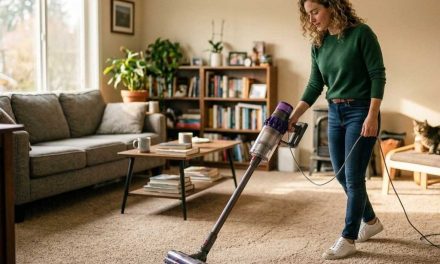
- High-Efficiency Vacuum Filtration: Always couple your surface cleaning with a vacuum cleaner outfitted with a certified HEPA filter to catch escaping airborne particles.
- What to Avoid: Cheap feather dusters or dry synthetic dusters, which merely launch particles back into the room to settle on surfaces again later.
The Professional Top-to-Bottom Execution Strategy
Professional cleaning technicians always employ a strict top-down operational workflow. Begin with your highest architectural elements—such as ceiling fixtures, top shelving rows, and window valances—and progressively work your way down to floor level.
Because the process of dusting naturally dislodges a small percentage of particles into the air, those fragments will drop due to gravity onto lower surfaces. By progressing from top to bottom, you guarantee that you capture all fallen debris as you clean lower end tables, baseboard perimeters, and eventually vacuum the floors.
The Golden Rule: Dust Surfaces Prior to Vacuuming Floors
Always finalize your surface dusting before powering on your vacuum cleaner. Extracting debris from carpets generates an exhaust airflow that can agitate settled floor dust. By dusting your surfaces first, any stray particles dislodged onto the carpet will be permanently pulled away during your final vacuum pass.
If you want to completely clear out built-up dust and protect your home’s air quality, let us know:
- Would you like a competitive service quote for a comprehensive professional deep cleaning of your Metro Vancouver home?
- When was the last time your property underwent a professional HVAC air duct cleaning to clear out hidden dust reservoirs?
- Are there specific high-traffic zones or pet areas in your home that require specialized allergen extraction and professional carpet cleaning?
We can quickly dispatch an expert local team from mobicleaning.ca equipped with commercial-grade HEPA vacuums and specialized sanitation gear to completely refresh your indoor environment!
Call Us
778.801.8595
SEND US AN EMAIL
book@mobicleaning.ca
Text Us
778.801.8595
Contact Us For Cleaning Services
Real Results
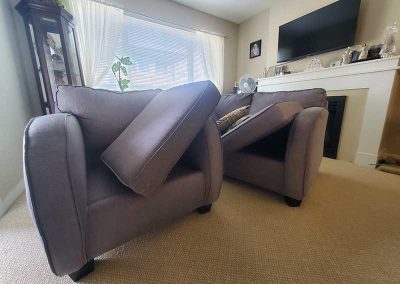
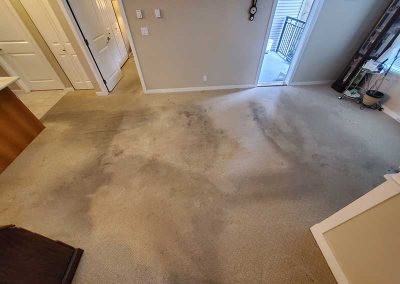
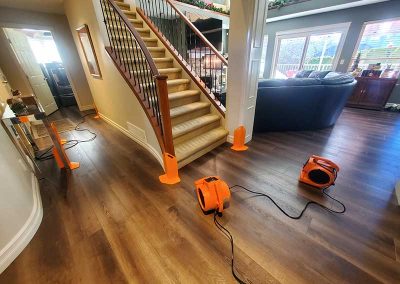
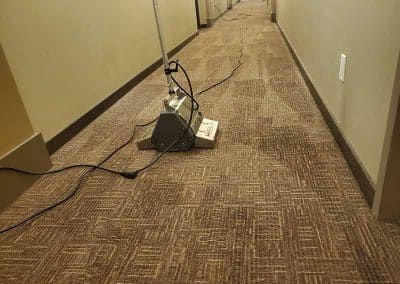
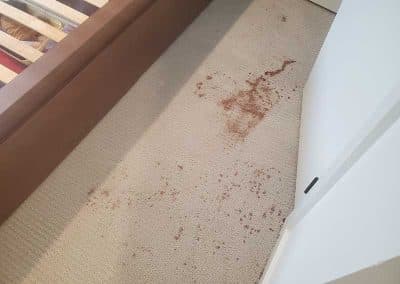
We take tremendous pride in the results we deliver for our clients. The photos speak for themselves.

Why Choose Us
Business License, Criminal Record Check, Trained Technicians, Professional Tools, Professional Solutions, Better Results and Quality, Transparent Pricing and no Hidden Fees, Health Benefits, Professional Operation of Tools, Mobi Cleaning Difference, Flexible Scheduling, On-Time, Maintenance, Great Competitive Value, Customer Satisfaction Focused, IICRC Trained, Green Cleaning, Reputation, Property Protection, Fast Drying Carpets, 100 Percent Satisfaction Guarantee, Experience, Professional Processes, First-Class Service, Fast Response Time, Free Consultation and Estimates, Competitive Pricing and Dedicated Account Manager