


















How to Winterize a House: The Ultimate Fall Home Maintenance Checklist for BC
As autumn arrives, it’s time to get your property ready for the freezing winter weather. Following a solid fall home maintenance checklist ensures your family stays warm, safe, and comfortable all winter long. At Mobi Cleaning, we’ve been helping homeowners across British Columbia protect their properties for years. We know that tackling a few simple home maintenance chores now can save you thousands of dollars in emergency repairs, high utility bills, and stress later.
This easy-to-follow guide covers everything you need to do to winterize your house from top to bottom before the classic West Coast winter weather hits.
Outdoor Fall Home Maintenance Checklist
- Gutter Cleaning and Downspout Repair
Routine gutter cleaning is the single most important task for preventing winter water damage. When fall leaves, pine needles, and mud clog your gutters, heavy BC rainwater cannot flow away from your roofline. This causes water to overflow, pool around your foundation, and leak directly into your basement or crawl space.
- What to do: Safely scoop out all leaves and muck from your gutters and downspouts. Flush them with a hose to make sure water flows freely out the bottom. Look closely for sagging brackets, rust spots, or leaks at the seams.
- Pro tip: Consider installing leaf guards to block debris and keep your gutters clean year-round.
- Roof Inspection and Shingle Repair
Your roof takes a beating during Pacific Northwest windstorms, heavy rains, and mountain snow. Checking your roof condition in the fall allows you to fix minor damage before it turns into an expensive ceiling leak.
- What to do: Use binoculars or a ladder to check for missing, cracked, or curling shingles. Look closely at the flashing around your chimney, vents, and skylights for signs of wear. If you find damage, call a local roofing contractor to fix it before the first freeze.
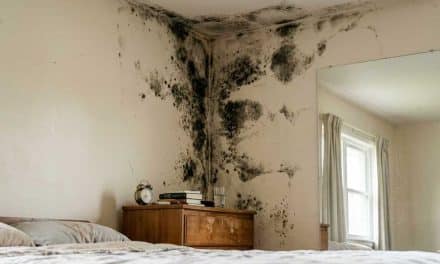
- Pro tip: Clear off any piles of wet leaves or fallen branches from your roof valleys to prevent rot and mold.
- Touch Up Exterior Paint and Caulking
Exterior paint and caulking act as a shield against constant rain, dampness, and frost. When paint peels or caulking cracks, moisture gets trapped inside your home’s wood siding, causing expensive wood rot.
- What to do: Walk around your home’s exterior and inspect the paint on your siding, fascia boards, and window trim. Scrap away peeling paint, touch up the bare spots, and re-caulk any gaps around doors and windows.
- Pro tip: Always use high-quality, weather-resistant exterior paint and waterproof silicone caulk designed for cold, wet climates.
- Fall Yard Cleanup and Landscaping Prep
A little yard work in October and November protects your landscaping from frost damage and saves you hours of work when spring arrives.
- What to do: Rake up dead leaves so they don’t suffocate your lawn, trim back dead perennials, and prune tree branches that are hanging too close to your roof or power lines. Wrap fragile bushes or young trees in burlap to protect them from freezing temperatures.
- Pro tip: Instead of throwing away your fallen leaves, pile them into a backyard compost bin to create free, nutrient-rich soil for your garden next spring.
- Winter Pest Control: Sealing Mouse Entry Points
As the temperature drops across BC, pests like mice, rats, and spiders look for a warm place to hide. Finding and sealing small gaps around your house keeps unwanted pests out of your living spaces.
- What to do: Inspect your foundation, siding, and utility pipes for any small holes or cracks. Mice can fit through gaps as small as a dime! Pack these openings tightly with stainless steel wool and seal over them with exterior caulk.
- Pro tip: Check your attic, crawl space, and basement vents to ensure the wire mesh covers are intact and securely attached.
Indoor Fall Home Maintenance Checklist
- Fix Drafty Windows and Exterior Doors
Drafty windows and poorly sealed doors are the leading causes of high heating bills during BC winters. Sealing these leaks keeps the warm air inside and reduces the strain on your heating system.
- What to do: On a windy day, check for air leaks around your window frames and doors. You can easily do this by holding a lit candle or stick of incense near the edges—if the smoke or flame flickers, you have a draft. Apply new weather stripping or interior window caulk to seal the gaps.
- Pro tip: Hang thick thermal curtains or install window insulation film to block cold air and lower your BC Hydro or FortisBC bills.
- Change Furnace Filters and Book a Heating Tune-Up
Your furnace works incredibly hard all winter. Regular maintenance keeps it running efficiently, protects your indoor air quality, and prevents sudden winter breakdowns.
- What to do: Replace your dirty furnace filter with a fresh one right away. After that, call a professional HVAC technician to inspect your heating system and make sure it is safe to run.
- Pro tip: Change your furnace filters every 90 days during the winter to keep dust out of your home and lower your monthly energy bills.
- Chimney Cleaning and Fireplace Inspection
Before you light your first fire of the season, you need to ensure your fireplace and chimney are completely safe to use.
- What to do: Hire a certified chimney sweep to remove dangerous soot and creosote buildup from inside your chimney flue. Inspect the fireplace brickwork and damper to ensure everything opens and closes properly.
- Pro tip: Install a sturdy chimney cap to keep out rain, snow, birds, and squirrels during the winter months.
- Reverse Your Ceiling Fans for Winter Heating
Ceiling fans aren’t just for staying cool in the summer. Changing their direction in the winter helps distribute heat evenly throughout your home.
- What to do: Locate the small toggle switch on the motor housing of your ceiling fan and flip it. This reverses the blade rotation to a clockwise direction, which pushes the rising warm air back down into your living room. Run the fan on the lowest speed setting.
- Pro tip: Using this trick helps rooms feel significantly warmer without you having to turn up the thermostat.
- Test Smoke Alarms and Carbon Monoxide Detectors
Home fires and carbon monoxide poisoning risks increase during the winter due to the heavy use of furnaces, space heaters, and fireplaces. Testing your alarms can save lives.
- What to do: Walk through your home and press the test button on every smoke alarm and carbon monoxide detector. Replace old batteries with fresh ones and wipe away any dust blocking the sensors.
- Pro tip: Check the manufacture date on the back of your detectors. If they are more than 10 years old, they are expired and must be replaced with brand-new units.
- Dryer Vent Cleaning
Lint buildup inside your clothes dryer vent line restricts airflow, wastes energy, and is a leading cause of residential house fires.
- What to do: Pull your dryer away from the wall, unplug it, and disconnect the vent hose. Vacuum out all the trapped lint from the back of the machine and the inside of the ductwork.
- Pro tip: Go outside your house and check the exterior dryer vent hood. Make sure the flap opens freely and isn’t blocked by lint, bird nests, or leaves.
Winter Safety and Energy-Saving Tips
- Winterize Outdoor Faucets to Prevent Frozen Pipes
When water freezes inside your plumbing, it expands and causes pipes to burst, leading to catastrophic water damage and flooding.
- What to do: Disconnect all garden hoses from your outdoor spigots. Turn off the indoor shutoff valves that supply your outdoor taps, then open the outside faucets to drain any remaining water. Wrap exposed indoor water pipes in unheated crawl spaces or basements with foam pipe insulation sleeves.
- Pro tip: If you travel or go on vacation during the winter, never turn your heat completely off. Leave your thermostat set to at least 13°C (55°F) to keep your interior plumbing from freezing.
- Check Attic Insulation Levels
Proper attic insulation stops warm air from escaping through your roof, keeping your living spaces cozy and lowering your monthly energy costs.
- What to do: Pop your head into your attic and look at the insulation. If the insulation sits level with or below your ceiling joists, your home is under-insulated. Adding a fresh layer of fiberglass or blown-in insulation before winter will instantly make your home more energy-efficient.
- Pro tip: Insulate your hot water tank with an insulation blanket and wrap your hot water pipes to cut down on heat loss and save extra money on your utility bills.
Don’t Delay Your Winter Home Prep!
Knocking out this fall home maintenance checklist is the best way to protect your investment and keep your utility bills low all winter. If you don’t have the time to handle these deep cleaning and maintenance chores yourself, let the professionals help.
Whether you need a hand with deep home detailing, professional window washing, or carpet and upholstery cleaning to get your house ready for holiday guests, Mobi Cleaning offers reliable, top-tier property services across British Columbia.
Contact Mobi Cleaning today for a free home cleaning quote!
Call Us
778.801.8595
SEND US AN EMAIL
book@mobicleaning.ca
Text Us
778.801.8595
Contact Us For Cleaning Services
Real Results
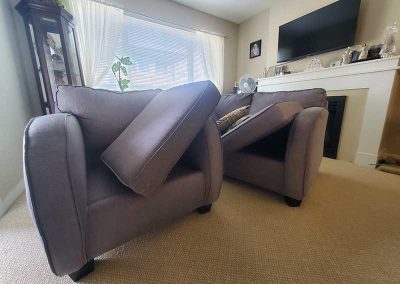
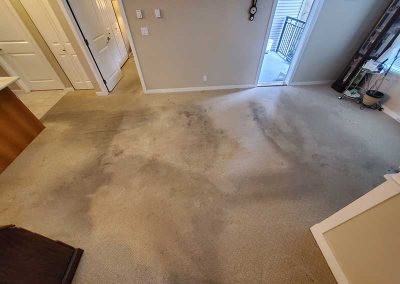
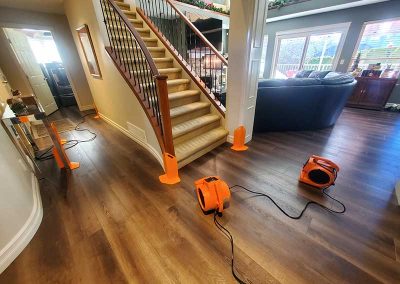
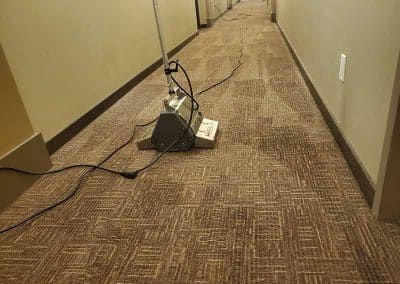
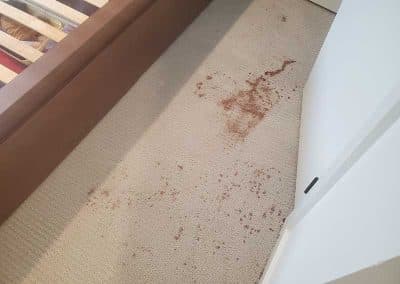
We take tremendous pride in the results we deliver for our clients. The photos speak for themselves.


Why Choose Us
Business License, Criminal Record Check, Trained Technicians, Professional Tools, Professional Solutions, Better Results and Quality, Transparent Pricing and no Hidden Fees, Health Benefits, Professional Operation of Tools, Mobi Cleaning Difference, Flexible Scheduling, On-Time, Maintenance, Great Competitive Value, Customer Satisfaction Focused, IICRC Trained, Green Cleaning, Reputation, Property Protection, Fast Drying Carpets, 100 Percent Satisfaction Guarantee, Experience, Professional Processes, First-Class Service, Fast Response Time, Free Consultation and Estimates, Competitive Pricing and Dedicated Account Manager