

















Dryer Vent Cleaning How to Clear Clogged Dryer Lines in BC
Laundry exhaust pipelines are heavily neglected across British Columbia—until an expensive appliance failure or property hazard surfaces. Consider the last time you booked a local dryer duct cleaning specialist to clear your system. For the majority of property owners in Metro Vancouver, the Fraser Valley, or Vancouver Island, the timeline is likely a blank space.
Scheduling a professional laundry vent blowout is about much more than just optimizing your appliance. Regular maintenance is essential for preventing local house fires, slashing monthly BC energy bills, and protecting your household’s indoor air quality. This expert guide breaks down exactly why your exhaust lines get blocked and how frequently they require specialized care.
Why You Need to Clean Your Dryer Vent
Your dryer vent line—alternatively called an exhaust duct—is a critical pipe that ensures your appliance runs safely and efficiently. A standard clothes dryer operates by spinning wet laundry through highly heated, circulating air inside a metallic drum. This hot air rapidly evaporates the water trapped in the fabrics, pulling moisture completely away from your clothes.
The exhaust line attached to the back of the machine routes this humid, damp air safely outside your home’s exterior walls. This ventilation process prevents moisture from building up inside your laundry room, where it could easily cause toxic mold outbreaks, mildew smells, and structural wood rot.
With regular use, these narrow pipelines become heavily choked with fine fabric lint, clothing fibers, and domestic dust. The more restricted your exhaust line gets, the harder it is for your appliance to push out that heavy, humid air. This airflow bottleneck triggers serious issues for your home safety, your appliance lifespan, and your monthly budget.
How Often Should You Clean Your Dryer Vent?
Our experienced BC indoor property maintenance team recommends booking a professional dryer line cleanout at least once every 12 months. This interval varies depending on your household size and daily laundry habits:
- Active Families: Clean every 6 months if your household runs multiple laundry cycles every week.
- Pet Owners: Service every 6 months to extract heavy pet hair and dander from the lines.
- Heavy Workloads: Clean every 3 to 6 months if you frequently wash thick bedding and towels.
- Low-Volume Users: Schedule a cleanout every 12 to 18 months if you live alone.
Neglecting this simple home maintenance task leaves your property vulnerable to premature appliance breakdowns, inflated utility bills, and devastating electrical house fires.
How Do I Know If My Dryer Vent Needs Cleaning?
Watch out for these common warning signs that indicate your residential or commercial BC dryer vent line is suffering from a major lint blockage:
- Overheating Appliance Shell: If your machine casing or your clothes feel burning hot at the end of a cycle, your vent line is trapping dangerous levels of thermal energy.
- Extended Cycle Times: A choked duct forces your dryer to run multiple consecutive cycles just to dry a single load of standard laundry.
- A Burning Smell: Located lint is highly flammable, meaning hot, smoky odors coming from your laundry area require you to turn off the appliance immediately.
- Visible Fiber Buildup: Check behind your machine around the flexible transition hose, or inspect your exterior soffit vents and wall caps for visible lint clogs.
- Stuck Exhaust Flaps: The outer louvers on your building’s exterior should flap open easily when the machine runs; frozen flaps mean your airflow is completely choked.
Why Regular Dryer Vent Cleaning Matters
Dryer Vent Cleaning Reduces Your Risk of House Fires
An exhaust line packed tight with bone-dry lint introduces a highly volatile fire hazard directly into your residential property. Canadian structural fire data confirms that clothes dryers, combined with thick clogs of flammable fabric lint, are leading causes of domestic home fires. Public safety administrators report thousands of dryer fires every year, identifying a failure to clean the vent lines as the primary cause. Investing in regular duct maintenance with a certified British Columbia technician is the single most effective way to protect your family and reinforce your home’s fire safety.
The True Cost of Clogged, Linty Dryer Vents
Restricted exhaust lines drain your monthly business or household budget. When your building’s dryer pipes get choked by thick sheets of compressed fabric dust, they trap hot, humid air pockets that can warp or rupture your flexible transition hoses, leading to hidden wall leaks and pricey appliance repairs. A blocked airflow path also forces your dryer to work twice as hard to process a standard load of clothes. This continuous mechanical strain puts extreme friction on internal belts and heating elements, rapidly shortening the lifespan of your expensive appliance.
Furthermore, long drying times expose your wardrobe items to excessive heat and spinning friction that actively breaks down fabric fibers over time. Shorter machine lifecycles and longer run times translate directly to spiked power grid usage and inflated monthly utility invoices. Booking a professional dryer duct vacuuming service instantly deflates your recurring energy bills from BC Hydro and FortisBC while extending the life of your laundry equipment—saving you from an expensive premature replacement. As an added bonus, you will spend far less time waiting around for your clothes to dry over the weekend.
A Clean Dryer Vent Means Cleaner, Healthier Indoor Air
Trapped, stagnant thermal humidity sitting within a compromised duct creates the absolute perfect micro-climate for rapid bacterial proliferation and hazardous indoor mold colonization—a critical environmental concern inside damp Pacific Northwest marine environments. If your dryer line suffers from airflow restriction, it can easily back-draft dense heat, fine fiber dust, active bacteria, and airborne allergens directly past your drywall envelope into your primary living zones. This unmonitored indoor air pollution actively degrades your ambient breathing quality and can significantly exacerbate seasonal allergic inflammation, asthma, and chronic upper respiratory conditions.
Dryer Vent Cleaning: How to Clear Clogged Dryer Lines in BC
Can a property owner execute their own dryer line maintenance? Yes, you can complete basic surface-level lint extraction yourself to manage minor, accessible blockages. If your objective is to clear away superficial lint loads and dust accumulation behind the appliance, deploy this systematic DIY maintenance guide:
How to Clean Your Dryer Vent Line (DIY Guide)
- Isolate the Electrical Supply: Safety protocols dictate that you must completely disconnect your clothes dryer from the wall voltage outlet or safely deactivate the dedicated circuit breaker.
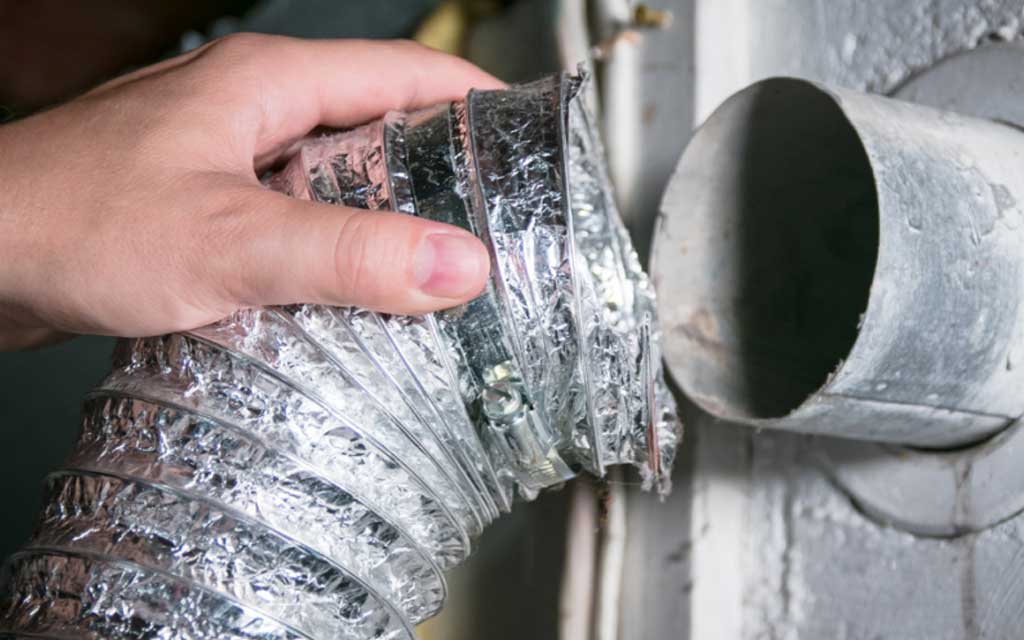
- Extract the Flexible Transition Hose: Carefully detach the flexible foil or aluminum transition ducting from both the rear appliance collar and the primary wall receptacle. You may require a flathead screwdriver to release the tension clamps.
- Vacuum the Receptacle Core: Utilize a heavy-duty shop vacuum or a standard residential vacuum configured with a rigid crevice attachment to suck out loose lint sheets, pet hair, and dust from the wall opening.
- Deploy a Flexible Mechanical Lint Brush: Snake a flexible, multi-rod dryer vent cleanout brush kit through the rigid internal pipe network to mechanically scrub away static lint layers adhering to the inner pipe walls.
- Sanitize the External Termination Cap: Navigate to the exterior of your building envelope to inspect the wall exhaust cap or roof ventilation hood. Manually clear away trapped obstructions like seasonal leaves, bird nests, or compressed lint sheets wedged beneath the damper.
- Reassemble the System and Execute an Airflow Test: Securely clamp the flexible transition line back onto the rigid structural pipe, restore electrical power, and run an unladen test cycle to verify that high-velocity airflow is exiting the exterior threshold freely.
While a manual retail cleaning kit provides utility for superficial maintenance, it lacks the structural reach and vacuum lift required to breach heavy blocks or bypass deep vertical drops tucked inside long, complex architectural duct runs. For an absolute decontamination that guarantees fire prevention, hiring a certified mechanical cleaning crew remains the premium choice.
Is Professional Dryer Vent Cleaning Near Me Worth It?
Absolutely. Investing in professional dryer duct cleaning services delivers massive utility for BC homeowners, property landlords, and multi-family strata managers. Managing a complete line evacuation can be intensely time-consuming, highly messy, and structurally difficult if your designated laundry room is isolated far from an exterior boundary wall.
The appliance maintenance specialists at Mobi Cleaning Canada deploy industrial-strength, truck-mounted negative air pressure vacuums paired with high-velocity pneumatic air whips. Our specialized tool configurations systematically sweep clean packed lint sheets, heavy sediment, and animal nesting materials from your entire internal pipe infrastructure without allowing a single particle of dust to breach your interior home environment. We guarantee your appliance exhausts at optimal engineering velocities, ensuring your laundry cycles dry rapidly while sealing your property against fire hazards.
When to Mobilize a Professional Dryer Duct Specialist in BC:
- Your laundry loads demand multiple operational cycles to dry or emerge from the drum burning hot to the touch.
- You detect a localized smoky, hot, or burning aroma emitting from your laundry space.
- You have no administrative record of the building’s hidden exhaust lines being professionally cleared within the past year.
- You attempted to navigate a drill-powered retail lint brush but hit an unyielding blockage or could not reach the outside vent termination.
How Getting Your Dryer Lines Cleaned Saves You Money
- Slashes Your BC Hydro and FortisBC Energy Overhead
An obstructed exhaust path locks down humid air, forcing your dryer to work continuously at elevated temperatures. Clearing the pathway restores design-spec airflow velocities, which can instantly downscale your laundry appliance energy consumption metrics by up to 30%.
- Preempts Catastrophic Appliance Component Failures
Restricted exhaust airflow causes your machine’s heating elements, thermal over-temperature switches, and internal fuses to cycle hot, triggering premature component failures. Establishing a routine maintenance cycle eliminates emergency appliance repair invoices and extends the operational life of your hardware.
- Eradicates Costly Thermal Fabric Degradation
Trapped heat within a choked conduit causes temperatures inside the tumbling drum to skyrocket past engineered safety parameters. This intense thermal exposure shrinks delicate textile weaves, triggers rapid color fading, and induces premature structural breakdown across your favorite wardrobe items.
Common Myths About Mechanical Dryer Exhaust Systems Exposed
- Myth 1: Constantly clearing the slide-out lint trap mesh provides absolute protection.
- The Reality: Cleaning your primary mesh screen prior to every load is a vital habit, but it cannot capture 100% of flying fibers. Microscopic textile filaments continuously bypass the primary mesh barrier, settling within the underlying internal blower housing and progressively coating the interior walls of your hidden wall ducts.
- Myth 2: Newly unboxed, high-efficiency clothes dryers are immune to duct clogging.
- The Reality: A brand-new appliance still generates massive quantities of friction-induced lint during standard tumbling cycles. If your structural wall conduits are already narrowed by historical debris layers, a newly installed machine will suffer from identical airflow failures until the structural line is evacuated.
- Myth 3: Utilizing fabric softeners and static dryer sheets limits lint shedding.
- The Reality: Antistatic sheets mitigate static cling but carry zero influence over the physical shedding mechanics of your fabrics. In reality, the chemical waxy residues emitted by these sheets coat your internal lint screen and pipe walls, creating a sticky chemical film that accelerates lint adhesion and speeds up line blockages.
Your Home Dryer Infrastructure Checklist
- Monitor system performance for indicators like damp laundry, elongated cycle times, or localized heat signatures.
- Retain a certified technical cleaning crew to clear out the entire duct run at least once a year.
- Clear out your pull-out mesh screen trap following every single laundry cycle without exception.
- Vacuum the accessible flexible transition loops behind your machinery every six months.
- Perform an exterior walkthrough to confirm your exterior louver flaps open effortlessly when the appliance is active.
Schedule a Professional Dryer Vent Cleaning Today!
Ready to collapse your monthly electricity expenditures, insulate your real estate asset against fire hazards, and dramatically accelerate your laundry cycles?
Connect with Mobi Cleaning Canada today to secure a transparent, flat-rate quote on our professional residential and commercial duct cleaning services. Let our local British Columbia team deliver absolute peace of mind backed by our comprehensive 100% satisfaction guarantee!
Call Us
778.801.8595
SEND US AN EMAIL
book@mobicleaning.ca
Text Us
778.801.8595
Contact Us For Cleaning Services
Real Results
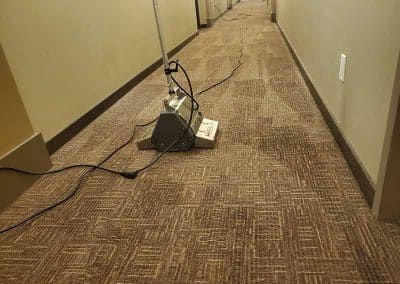
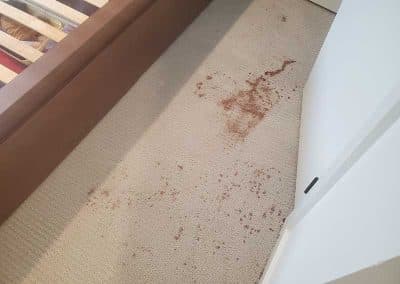
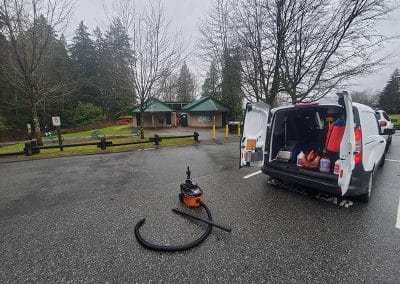
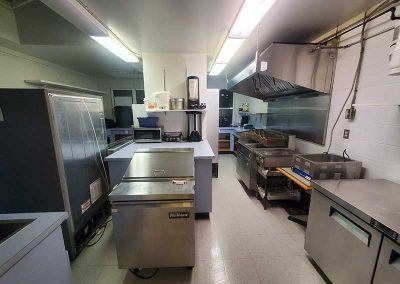
We take tremendous pride in the results we deliver for our clients. The photos speak for themselves.

Why Choose Us
Business License, Criminal Record Check, Trained Technicians, Professional Tools, Professional Solutions, Better Results and Quality, Transparent Pricing and no Hidden Fees, Health Benefits, Professional Operation of Tools, Mobi Cleaning Difference, Flexible Scheduling, On-Time, Maintenance, Great Competitive Value, Customer Satisfaction Focused, IICRC Trained, Green Cleaning, Reputation, Property Protection, Fast Drying Carpets, 100 Percent Satisfaction Guarantee, Experience, Professional Processes, First-Class Service, Fast Response Time, Free Consultation and Estimates, Competitive Pricing and Dedicated Account Manager