















7 Best Tips to Get Rid of House Dust for Good
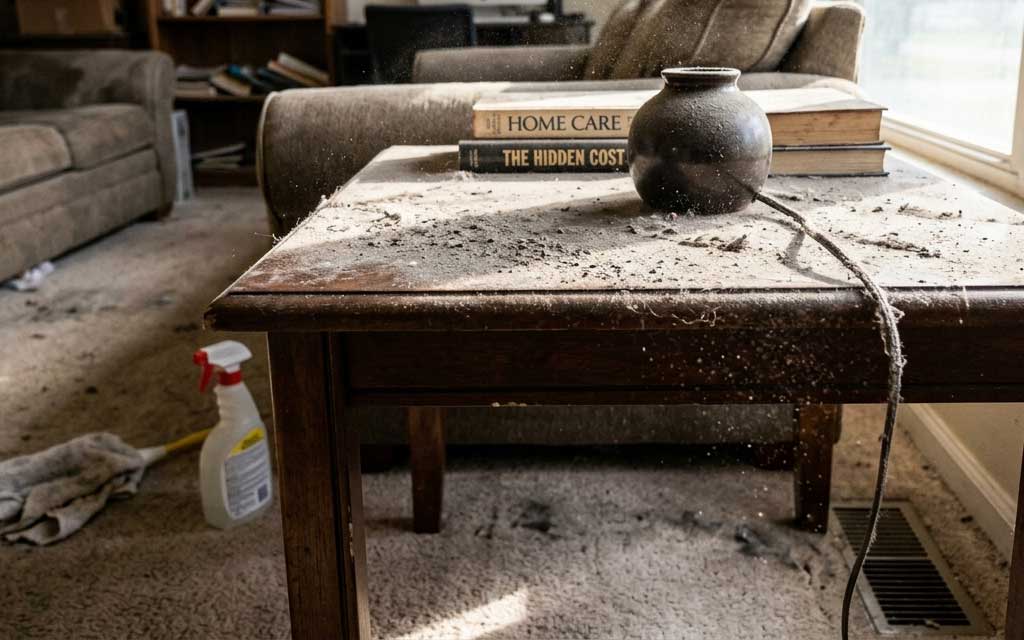
Discovering highly effective dust removal techniques is a top priority for British Columbia homeowners aiming to elevate their indoor air quality and maintain a pristine living environment. Whether you are clearing debris off ceiling fans, wiping down television screens, organizing bookshelves, or executing a deep clean underneath your couches, keeping up with household dust can feel like a relentless battle. While terms like “dust bunnies” sound harmless, these dirty accumulations are actually dense clusters of allergens that make your home look unkempt. Beyond aesthetics, inhaling these airborne particles poses genuine health risks and can trigger notable respiratory issues. For detached family homes, townhouses, and local strata condos across BC, masterfully minimizing dust is essential to keeping a healthy household.
While achieving a 100% dust-free home is virtually impossible, incorporating a few proactive habits into your routine house cleaning checklist will give you the upper hand. In this practical DIY guide, the local property care experts at Mobi Cleaning Canada break down exactly what causes these particles to accumulate and reveal the absolute best ways to eliminate them for good.
What is House Dust Made Of?
Most residents accept household dust as an unavoidable inconvenience, only reaching for a microfiber cloth or an extendable duster when furniture surfaces look visibly coated. However, to successfully prevent dust from accumulating in the first place, you must first comprehend what this substance actually consists of and how it enters your living spaces.
The Definition of Dust
To put it simply, household dust is a complex, shifting compound of microscopic organic and inorganic particles that suspend themselves in the air before settling onto flat, horizontal surfaces.
Common Components of Dust
A widespread myth claims that dust consists of 90% dead human skin cells, but scientific data reveals the mixture is vastly more complex. A standard sample of home dust contains a mix of seasonal plant pollen, hazardous mold spores, floating bacteria, microplastics, pet dander, human hair, shedding clothing fibers, outdoor soil, insect fragments, and microscopic dust mites.
Where Does Dust Come From?
There are two primary origins of residential dust: external particles brought indoors, and interior debris generated by natural shedding. Research demonstrates that roughly two-thirds of all indoor dust is blown in from the exterior environment, while the remaining third originates directly inside your rooms.
Outdoor Sources of Dust
External dust is comprised of seasonal pollen, dirt, and industrial or traffic pollution that infiltrates your home through open windows, exterior doors, and bathroom ventilation fans. You also unknowingly track a significant amount of outdoor soil inside on your shoes and outerwear, which scatters into the air every time you step past the entryway.
Indoor Sources of Dust
Interior dust consists of debris generated entirely within your living spaces. The primary culprits behind indoor dust are natural skin shedding, pet dander, loose hairs, and degrading textile fibers.
An average adult naturally sheds between two and ten billion dead skin cells every 24 hours, generating an enormous volume of organic material that feeds local dust colonies. For those with furry pets, animals constantly drop dead skin flakes—known as pet dander—which acts as a leading trigger for severe dust allergies. Furthermore, tiny fragments of fabric fibers from your wardrobe, bath towels, bedding, and carpets break away and float through the air, adding to the layer of grime resting on your furniture.
Dust Allergy Symptoms and Health Risks
While a dusty home looks unappealing, breathing in these airborne particles can lead to genuine long-term health concerns and chronic respiratory irritation.
Dust Mite Allergies and Lung Irritation
Dust mites are microscopic, arachnid-like organisms that thrive inside dust accumulations and survive exclusively by eating dead skin flakes. If you experience a dust allergy, your immune system is actually reacting to the airborne waste and droppings left behind by these mites. When you inhale these specific allergens, your lungs try to reject them, frequently triggering sudden coughing fits and sneezing.
Common indicators of a dust mite allergy include:
- Frequent sneezing accompanied by nasal congestion
- Chronic coughing and a persistent runny nose
- Itchy, red, or watering eyes
- Wheezing or suddenly triggered asthma attacks
- Tightness or discomfort in the chest cavity
Because dust mites flourish in warm, humid settings, they swarm in areas with the highest density of dead skin cells—most notably your bedroom mattress, fabric sofas, and area carpets. This makes consistent professional deep cleaning in bedrooms and primary living spaces essential for true allergy relief.
How Dust Ruins Your Indoor Air Quality
Allowing dust to accumulate continuously degrades your indoor air quality and transforms your home into a health hazard. Over time, loose dust settles deep inside your heating, ventilation, and air conditioning (HVAC) ducts, allowing these fine particles to circulate freely through your rooms every time your furnace or AC kicks on. Inhaling this contaminated air on a daily basis places unnecessary strain on your lungs and can contribute to chronic respiratory conditions like asthma.
Final Thoughts
Winning the battle against stubborn household dust demands a strategic approach and steady consistency. By identifying what dust truly consists of and pinpointing its entry vectors, you can seamlessly safeguard your family’s respiratory wellness and keep your living spaces looking immaculate.
While routine vacuuming and surface wiping manage daily buildup, dust embedded deep within your carpets, fabric upholstery, and heating systems requires commercial-grade power. At Mobi Cleaning Canada, we provide high-powered, professional deep cleaning services engineered to obliterate dust at its source and instantly purify your indoor air. Let our local BC field technicians deep steam your carpets, sanitize your furniture fabrics, and refresh your entire property so you can enjoy cleaner, crisper air every day.
Contact Mobi Cleaning Canada today to book an expert deep clean and establish a healthier, allergen-free home environment!
7 Critical Ways House Dust Damages Your Electronics & HVAC System
While a heavy buildup of household dust is widely known for triggering chronic breathing issues, it also quietly deteriorates the structural integrity and expensive appliances inside your British Columbia property. Allowing layers of fine grit to accumulate inside your Lower Mainland residence or Vancouver workspace chokes your central heating systems, spikes your seasonal BC Hydro utility bills, and induces premature hardware failure in everyday digital devices.
The Dangerous Link Between Accumulated Dust and Toxic Mold
Allowing thick blankets of grit to settle on flat surfaces and deep within your heating and cooling vents dramatically escalates the risk of hidden, toxic black mold proliferation inside your walls. Because loose house dust contains organic textile fibers and dead animal skin cells, it behaves exactly like a sponge that traps airborne mold spores. When your furnace or central air conditioning kicks on during damp coastal BC winters, these contaminated clusters are blasted straight through your ductwork, dispersing toxic pollutants into every room.
When these dust-bound spores eventually settle into dark, humid zones—which are highly common in unheated basements or crawlspaces during rainy British Columbia winters—they activate and multiply. Expanding mold colonies physically digest your home’s building materials, degrading insulation, rotting structural wood framing, and permanently staining drywall ceilings. This ruins your property’s overall structural value, compromises indoor air quality, and results in incredibly expensive restoration invoices. Eliminating a mold infestation is a highly complex task; you must completely eradicate the source of moisture while thoroughly extracting the organic dust, or the active spores will continue to return.
How Airborne Grit Destroys Computers, Consoles, and Household Appliances
Because microscopic dust particles hang suspended in your indoor air, they are effortlessly pulled into the cooling intake vents of everyday home electronics. This grit routinely cakes onto refrigerator condenser coils, computer towers, gaming systems (such as PlayStation and Xbox consoles), smart TVs, and wall-mounted electrical outlets. When thick layers of lint and debris coat internal circuit boards, they form an insulating blanket that seals in heat, forcing internal cooling fans to overwork. This leads to severe device overheating, frequent system glitches, sluggish performance, or total hardware failure, which can result in a permanent loss of critical personal data.
Furthermore, letting dense dust accumulate inside high-draw household appliances creates a severe residential fire hazard. Because these electronic devices generate immense internal heat during normal operation, the dangerous combination of restricted ventilation, elevated temperatures, and highly flammable, static-charged dust can easily spark a devastating electrical fire—resulting in catastrophic property damage to your detached family home or strata condo.
Easy, Practical Ways to Reduce Dust in Your Home
While achieving a completely dust-free household is an impossible standard, you can implement several highly practical, daily strategies to drastically lower the amount of fine grime accumulating inside your rooms. By establishing a smart, synchronized house cleaning routine, utilizing HEPA air purifiers, keeping your furnace vents immaculate, deploying heavy-duty doormats, enforcing an outdoor shoe policy, and managing your indoor humidity levels, you can actively halt dust buildup in its tracks.
- Establish a Regular House Cleaning Routine
Maintaining absolute consistency with your weekly vacuuming and sweeping schedules remains the single most effective way to limit total dust volume across your rooms. Periodically wiping down flat, horizontal surfaces prone to collecting airborne grit and thoroughly running a high-suction vacuum over area carpets will go a long way toward preserving a pristine living environment.
Because the physical act of wiping down furniture inevitably kicks fine particles up into the air, you should always dust your rooms strictly from top to bottom. Hold off on vacuuming your area rugs or sweeping your hardwood floors until the very end of your cleaning loop. This clever sequence ensures that any airborne particles that drop to the floor while you are polishing higher shelving will be completely captured later on, rather than settling back onto an already cleaned surface.
- Run High-Efficiency HEPA Air Purifiers
Operating standalone air purifiers serves as an excellent, high-performance method to continuously filter your indoor air, catching floating dust particles before they ever have the chance to land on your furniture or drift into your breathing zone. When shopping for a new air purifier unit or upgrading your central furnace filter, always select a premium pleated media option. Pleated variants are tightly woven to trap microscopic particles, dust mite waste, and seasonal pollen far better than cheap, flat fiberglass options. To maintain peak air-clearing performance, make sure to swap out your filters for a fresh replacement every three months.
- Maintain a Clean Heating & Vent System
Your property’s air ducts are solely responsible for circulating cooled and heated air throughout your entire living space, which means they directly dictate the exact quality of the air your family breathes on a daily basis. For this very reason, it is imperative to ensure that your central HVAC network remains completely clear of accumulated dust, dense lint, and hidden black mold. If you leave dirt to gather inside your dark ventilation lines, your system will continuously recirculate those exact same pollutants back into your living rooms day after day—fueling a chronic dust cycle and aggravating seasonal allergies.
- Use Heavy-Duty Doormats and Remove Shoes at the Door
The vast majority of the grit and abrasive dust that settles inside your home is tracked in directly from the outside world, clinging tightly to the treading of your footwear. One of the easiest, most cost-effective adjustments you can make to block dust from contaminating your house is to place heavy-duty, weather-resistant doormats outside every entryway. Make it a strict household policy that family members and guests must remove their outdoor shoes immediately upon stepping into the front foyer, keeping outdoor BC soil and damp coastal debris from migrating past the mat.
- Lower Your Indoor Humidity Levels
The term humidity simply describes the concentration of water vapor suspended in your indoor air. When your home’s air is highly humid—a incredibly common issue across coastal British Columbia—it holds an abundance of moisture, which makes airborne dust particles damp and physically heavier. Driven by gravity, these heavy, damp dust clusters rapidly drop out of the air currents and bond tightly to your furniture surfaces, baseboards, and walls, making them far more stubborn to wipe away. If you notice rapid dust buildup in damp zones of your home (like a poorly ventilated bathroom or ensuite), you should consider installing a dedicated dehumidifier. A dehumidifier strips excess moisture from the environment, allowing air to circulate freely and preventing wet dust particles from cementing onto your walls.
Quick Review: Top 5 Ways to Minimize House Dust
- Dust Before Vacuuming: Clean high shelves first and vacuum your carpets last to effectively capture falling debris.
- Run HEPA Air Purifiers: Place dedicated air purifiers in high-traffic rooms to filter out floating allergens, pet dander, and loose fabric fibers before they settle.
- Schedule Furnace Duct Cleaning: Your air ducts circulate the very air you breathe, making clean ventilation lines the absolute key to healthy indoor air quality.
- Enforce a Strict No-Shoes Policy: Strategically place thick doormats at entryways and remove outdoor footwear to keep outdoor soil and traffic pollution out of your rooms.
- Use a Dehumidifier: Heavy, damp air causes dust to weigh more and stick to hard surfaces; keeping your air dry prevents grime from bonding to baseboards and walls.
Hire a Professional Vent Cleaning Service for Lasting Relief
Fighting a constant, uphill battle against household dust can be an incredibly frustrating and exhausting experience, but you do not have to tackle this chore alone. If you feel like you have exhausted all of your home DIY cleaning remedies and the dust continues to return, it is time to call in a professional local team for high-powered deep-cleaning backup.
The Benefits of Professional Duct, Carpet, and Upholstery Cleaning
Trying to track down the exact source of a chronic, heavy dust issue on your own can cost you a massive amount of time, effort, and money. Excessive dust is far more than an ugly aesthetic problem; it can have serious negative effects on your family’s long-term health and physical well-being. This makes it incredibly important to locate the root cause of the accumulation and find a permanent solution as quickly as possible. By leveraging local professional help, you can completely avoid the stress of constant trial-and-error cleaning and get straight to the root of the issue.
Why Choose mobicleaning.ca?
The experienced technicians at Mobi Cleaning Canada know exactly how to assess, trace, and eliminate persistent dust issues with proven industry expertise. We offer specialized deep-cleaning services designed to help you maintain a clean, allergen-free home, and our technicians always go above and beyond to ensure your living space is sanitized and your indoor air remains healthy.
Using state-of-the-art, commercial-grade extraction equipment, the team at Mobi Cleaning Canada can inspect and thoroughly clean out your home’s entire HVAC system. We check your ductwork for hidden air leaks, cracks, and structural blockages that may be pulling dirty insulation or outdoor dust into your ventilation stream. If there is an underlying problem with your ventilation, our experts will spot it immediately and provide you with a practical, lasting solution to fix the issue for good.
Conclusion
There is simply no way to avoid it: household dust is an inevitable part of owning a property. When it comes to managing it successfully, your goal should be less about trying to eliminate it completely and more about staying consistent with routine maintenance. To remain on top of the grime and protect your property, you can use simple everyday habits like dusting from top to bottom, running air purifiers, and taking off your shoes at the front door to keep your surfaces clear and your indoor air clean.
Remember, for deep-seated, persistent dust issues that a standard residential vacuum cannot fix, the expert team at Mobi Cleaning Canada is always just a quick call or a click away.
Call Us
778.801.8595
SEND US AN EMAIL
book@mobicleaning.ca
Text Us
778.801.8595
Contact Us For Cleaning Services
Real Results
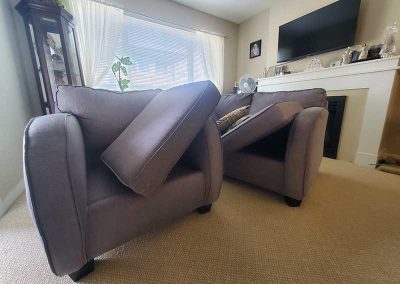
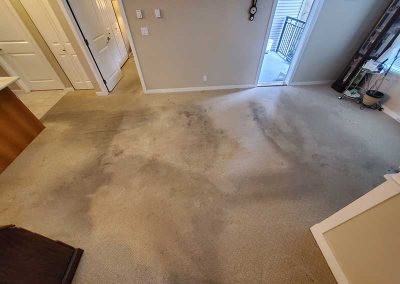
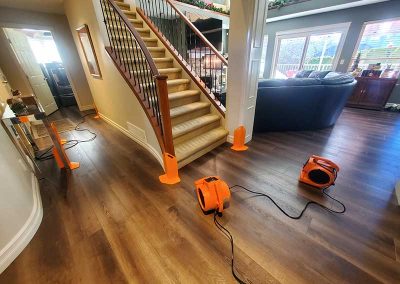
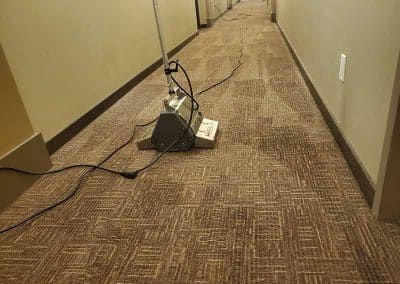
We take tremendous pride in the results we deliver for our clients. The photos speak for themselves.

Why Choose Us
Business License, Criminal Record Check, Trained Technicians, Professional Tools, Professional Solutions, Better Results and Quality, Transparent Pricing and no Hidden Fees, Health Benefits, Professional Operation of Tools, Mobi Cleaning Difference, Flexible Scheduling, On-Time, Maintenance, Great Competitive Value, Customer Satisfaction Focused, IICRC Trained, Green Cleaning, Reputation, Property Protection, Fast Drying Carpets, 100 Percent Satisfaction Guarantee, Experience, Professional Processes, First-Class Service, Fast Response Time, Free Consultation and Estimates, Competitive Pricing and Dedicated Account Manager