

















11 Essential Furnace and AC Maintenance Tips for BC Homeowners
Your residential heating, ventilation, and air conditioning (HVAC) configuration is the unsung mechanical backbone of your property. Whether it is keeping your family perfectly refreshed during intense summer heatwaves or radiating warmth throughout your living spaces on a freezing, rain-slicked Pacific Northwest winter night, this machinery operates continuously to stabilize your indoor environment.
However, just like any complex piece of engineered machinery, your central furnace, ductless mini-split, or electric heat pump requires systematic intervention to preserve peak operating efficiency. That is precisely where strategic property maintenance comes into play.
At Mobi Cleaning Canada, we specialize in comprehensive residential care, architectural cleaning, and proactive property preservation. We engineered this essential HVAC checklist to help you slash monthly utility expenses, optimize thermal output, and dramatically extend the operational lifespan of your mechanical hardware.
Below is our complete, step-by-step diagnostic guide to keeping your property’s primary climate control systems in flawless condition through every changing season.
- Mastering the Process of Regular Furnace Filter Replacement
One of the least complex yet most foundational actions you can execute to preserve your climate control system is changing your furnace air filter on a rigorous schedule.
Over months of continuous operation, everyday household dust bunnies, pet dander, seasonal West Coast tree pollen, and microscopic airborne debris aggregate within the filter media, culminating in a complete airflow restriction. This block not only degrades your indoor air quality (IAQ) but forces your entire forced-air system to consume double the energy just to push air through the registers. The result is an immediate surge in your monthly BC Hydro or FortisBC utility statements, paired with accelerated wear on your heat exchanger.
Navigating the Hardware Store: Which Air Filter Variant Fits Your Home?
A diverse selection of replacement air filters populates the shelves of local BC building centers like Home Depot, RONA, or Canadian Tire. Selecting the ideal framework depends entirely on your specific household footprint:
- Standard Fiberglass Filters: These basic screens are highly economical but feature an incredibly low holding capacity, requiring replacement every 30 days. They stop large lint particles but offer zero defense against fine microscopic allergens.
- Pleated Cotton/Synthetic Media Filters: These woven designs capture significantly higher concentrations of fine debris than flat fiberglass, maintaining structural integrity for 60 to 90 days. They represent the ideal, balanced investment for the vast majority of traditional family homes.
- High-Efficiency Particulate Air (HEPA) Media: HEPA integrations are unmatched at filtering out microscopic woodsmoke particulates, viruses, and fine allergens. However, their dense fibers can cause severe static pressure resistance in older residential air handlers. Always verify your system’s fan capacity before sliding one into the cabinet slot.
- Washable Electrostatic Filters: While these represent a reusable, eco-friendly approach to home maintenance, they require manual chemical rinsing and generally trap fewer fine respirable particles than premium disposable pleated alternatives.
Deconstructing MERV Ratings: Why This Matrix Controls Your Air Quality
Air filters are categorized globally via the MERV scale (Minimum Efficiency Reporting Value). This metric establishes a filter’s precise capacity to capture floating particles; as the MERV ranking scales upward, the media intercepts progressively smaller particulate matter:
- MERV 1 to 4: Delivers basic, entry-level filtration, primarily blocking large fibers, carpet lint, and heavy dust clusters.
- MERV 5 to 8: The standard benchmark for traditional residential properties, capable of pulling smaller airborne elements like mold spores and dust mite debris out of circulation.
- MERV 9 to 12: An excellent tier for households managing indoor pets or seasonal allergies, easily capturing fine companion dander, tree pollen, and textile dust.
- MERV 13 to 16: Typically deployed in commercial medical labs or hospitals to intercept active bacteria and fine summer wildfire smoke. Always ensure your specific blower motor can tolerate a MERV rating this high before installing it.
Determining Your Seasonal Replacement Timeline
As a baseline standard, homeowners should swap out their residential furnace filters every 30 to 90 days. However, if your neighborhood experiences high pollen counts, or if you share your space with multiple shedding pets or family members managing asthma, visually auditing the media every 4 weeks is a smart habit. If the pleats present a dull gray, dusty film, replace the unit early.
- Proactive Maintenance Rule: Swap your furnace filter every 1 to 3 months. For homes with multiple cats or dogs, or properties situated in regional allergy pathways, audit dirt loading on the first of every month.
- Cleaning and Auditing Outdoor Air Conditioning and Heat Pump Condensers
Your home’s exterior compressor unit (the air conditioning condenser or central heat pump) remains completely exposed to our demanding, volatile British Columbia climate matrix 365 days a year.
Windblown autumn leaves, evergreen needles, damp mud splatters, and fresh lawn clippings frequently lodge inside the exterior metal grilles, strangling vital airflow and dropping heat transfer efficiency. Maintaining a clean perimeter around this exterior node ensures the refrigeration cycle functions perfectly, shielding you from premature compressor failures and expensive emergency repair callouts.
Step-by-Step Restoration Protocol for Exterior HVAC Condensers:
- Isolate the Electrical Supply: Prior to touching the machinery, safely kill the electrical feed by pulling the disconnect block at the outdoor weatherproof breaker switchbox to eliminate any shock hazards.
- Clear Foreign Materials: Deploy a soft-bristled utility brush or a wet/dry shop vacuum equipped with a brush nozzle to manually extract packed leaves, cedar scales, soil, and encroaching garden weeds from the base.
- Clean the Delicate Aluminum Fins: The fragile metal fins wrapping your condenser coil collect dirt easily and bend under minimal impact. Use a specialized fin comb or a soft nylon brush to restore warped metal channels and wash away crusted mud.
- Execute a Visual Structural Audit: While clearing debris, check the copper lines for oil stains (indicating a refrigerant leak), structural panel damage, or uncharacteristic metal clanking during startup. If you spot these warnings, it is time to request a certified local technician.
- Vegetation Clearance Standard: Trim back garden shrubs, backyard landscaping, and low-hanging tree canopies at least two feet away from the exterior metal enclosure to guarantee unrestricted air intake.
- Detecting and Sealing Structural Air Leaks to Maximize Energy Savings
Undetected thermal leaks scattered throughout your home’s envelope can critically compromise your active heating and cooling efficiency. When conditioned air continuously vents through unsealed voids surrounding your windows, entry doors, or uninsulated basement duct networks, your HVAC system must run extended cycles just to stabilize room temperatures.
Top Methods for Tracking Down and Resolving Drafts:
- Map Out Vulnerable Penetration Points: The most common problem areas are window sills, exterior door thresholds, and electrical boxes mounted on outer walls. You can track hidden air paths by slowly moving a lit incense stick near these boundaries—if the rising smoke stream bends sharply, you have pinned down an active air leak.
- Remediate Voids with Caulking and Weatherstripping: For gaps along window frames and door assemblies, lay a fresh bead of exterior-grade silicone caulk or apply self-adhesive foam weatherstripping. Ensure you seal open penetrations around exterior utility pipes and outdoor electrical lines as well.
- Inspect Unfinished Basement and Attic Duct Runs: Your sheet-metal ventilation lines can leak expensive thermal energy into unheated crawlspaces. If you discover separated joints or open seam gaps, seal the metal paths permanently using professional foil tape or paint-on mastic duct sealant.
- Advanced Efficiency Hack: Consider scheduling a comprehensive home energy assessment. This diagnostic evaluation leverages infrared thermal imaging cameras to reveal hidden wall insulation voids, maximizing your comfort while slashing monthly utility bills.
- Cleaning Interior and Exterior HVAC Coils for Peak Performance
Your climate control system relies heavily on two separate thermodynamic components to exchange heat energy: the interior evaporator coil tucked inside your air handler and the outdoor condenser coil.
Over months of heavy use, these metal fins collect a dense blanket of household dust and cooking oils, which acts as a literal insulating wrap, reducing heat exchange efficiency and forcing the compressor to run much longer cycles than engineered.
How to Safely Clean Your HVAC Coils:
- De-Energize the System: Never remove protective equipment shrouds or attempt internal mechanical maintenance without completely cutting the electrical supply at your main household breaker panel first.
- Remove the Access Panels: You will typically need to unfasten a sheet-metal service door on your indoor air handler unit to reach the internal evaporator coil, or peer through the protective exterior shroud to isolate the outdoor condenser fin pack.
- Purge Surface Accumulation: Use a soft-bristled nylon brush to gently sweep away loose lint, then apply a specialized self-rinsing spray coil cleaner. For stubborn, oil-bound grime, carefully wipe the metal faces with a lint-free microfiber cloth, exercising extreme caution to avoid warping the fragile aluminum heat-exchange fins.
- Align Restrictive Metal Fins: If you discover crushed or bent areas along the coil grid during your inspection, draw a specialized fin comb tool through the tracks to instantly realign the metal paths and restore unrestricted airflow.
- Proactive Operations Rule: Execute a comprehensive cleaning of your heating and cooling coils at least once every twelve months to preserve maximum thermal transfer efficiency and lower operating costs.
- Why You Should Book Seasonal HVAC and Furnace Inspections
While executing routine DIY property care forms a solid operational foundation, it cannot replace the specialized diagnostics of certified technical professionals. Scheduling recurring, preventative mechanical audits with a licensed technician ensures you identify and isolate minor component wear before it escalates into a catastrophic, high-ticket system failure.
What Formulates a Professional HVAC & Furnace Evaluation?
- Comprehensive Mechanical Diagnostics: A licensed regional specialist will thoroughly audit all primary moving assemblies—including the blower motor amperage, digital thermostat calibrations, structural ductwork integrity, and electrical safety connections.
- Refrigerant Pressure Monitoring: Your field technician will measure your system’s exact refrigerant volume to identify hidden chemical line leaks, recharging the loop if required to guarantee flawless summer cooling performance.
- Advanced Combustion and Safety Testing: The attending specialist will run performance diagnostics on critical safety cut-off switches and evaluate ambient carbon monoxide outputs, providing absolute peace of mind that your heating system operates safely.
- Optimal Scheduling Protocol: Book professional inspections twice a year—ideally during the spring to tune up your cooling equipment for summer, and again throughout the autumn to guarantee your furnace withstands the winter chill.
- Upgrade to an Automated Programmable or Smart Thermostat
Operating with an outdated manual thermostat often leads to energy waste because it maintains high thermal output when your property is completely vacant. Transitioning to a modern programmable thermostat allows you to automate your energy footprint by scheduling lower temperature baselines while you sleep or during working hours. For maximum efficiency, transition to a Wi-Fi-enabled smart thermostat, which syncs directly with your home network and allows remote climate modifications from any global location using a dedicated smartphone app.
Core Advantages of Upgrading to Smart Climate Controls:
- Unrestricted Remote Accessibility: Instantly modulate your property’s ambient temperature via your mobile device during your evening commute, ensuring your living environment is perfectly conditioned the moment you step across the threshold.
- Adaptive Energy Optimization: Smart thermostats study your household’s unique weekly rhythms, automatically rolling back heating or cooling cycles when the home is unoccupied to shave 10% to 15% off your monthly utility statements.
- Unified Smart Home Ecosystems: Most leading smart thermostats interface seamlessly with popular voice-activation hubs—such as Amazon Alexa, Apple HomeKit, or Google Assistant.
- Professional Installation Support: The property maintenance team at Mobi Cleaning Canada can easily handle the mounting, low-voltage wiring, and initial programming of your new smart thermostat if you prefer to avoid DIY electrical handling.
- Secure Premium Air Duct Cleaning Services Near Me
Obstructed, dust-laden ventilation grilles and registers can severely strangle airflow throughout your entire floor plan. This restriction forces your central furnace or heat pump to work twice as hard to maintain comfortable room temperatures. Consistently vacuuming your supply and return vents while keeping them clear of household items is a zero-cost method to immediately optimize home heating efficiency.
Practical Strategies to Maintain Your Household Air Vents and Registers:
- Implement Routine Vacuuming: Deploy your vacuum cleaner fitted with a soft nylon brush nozzle to safely extract loose dust webs, pet fur, and circulating textile lint from the metal louvers.
- Audit for Physical Airflow Blockages: Confirm that heavy living room sectionals, long fabric window drapes, or large area rugs are not inadvertently draping over or choking your floor registers. Obstructed ventilation paths force your HVAC system to extend its operational cycles just to satisfy your digital thermostat settings [2.1].
- Monitor Accelerated Dust Accumulation: If you notice your metallic register grilles gather a thick layer of grey powder shortly after being wiped down, your interior ventilation channels are likely overloaded with debris. Booking a comprehensive professional duct sweep is the ultimate way to resolve this issue and instantly purify your indoor air quality.
- Professional Duct Intervention: The specialists at Mobi Cleaning Canada provide professional air duct cleaning services across BC that completely purge hidden internal dust traps, restore optimal system static pressure, and help your furnace operate with peak energy efficiency.
- Executing a Furnace Blower Motor Decontamination
The blower motor serves as the primary mechanical heart of your forced-air furnace, physically driving conditioned air through your property’s network of ducts. Over months of continuous operation, this assembly can gather a heavy coating of fine dust and pet dander. This layer acts as an insulative blanket that spikes operating temperatures, triggers premature component failure, and tanks energy efficiency. Keeping the fan wheel and housing free of debris is critical to protecting your equipment’s longevity.
Step-by-Step Guide to Cleaning the Blower Motor Assembly:
- Isolate the System’s Power Source: As with all DIY HVAC technical maintenance, always toggle the exterior furnace safety switch to the “Off” position or trip the dedicated breaker at your main electrical service panel before unlatching the cabinet.
- Expose the Blower Compartment: Depending on the specific manufacturer, model, and configuration of your furnace, you will need to unlatch or unscrew the lower access panel to reveal the blower housing assembly.
- Purge the Fan Wheel and Casing: Direct a can of compressed air or use a soft-bristled utility brush to gently loosen crusted dust from the motor exterior and the curved fan blades. Exercise extreme caution to avoid dislodging the small metal balancing clips attached to the fan blades or pulling any electrical wiring connections.
- Lubricate Functional Bearings: If your property utilizes an older-generation furnace equipped with a blower motor that features dedicated oil ports, introduce a few drops of high-grade SAE 20 non-detergent oil to keep the internal bearings spinning smoothly and prevent friction wear.
- Technical Maintenance Support: If you feel uncomfortable opening your mechanical cabinet or handling fragile blower parts, there is no need to take the risk—the experienced technical crew at Mobi Cleaning Canada can easily execute this intricate system maintenance for you during a routine home care visit.
- Purging the AC Condensate Drainage Line to Prevent Flooding
Your central air conditioner or heat pump configuration does more than lower indoor temperatures—it acts as a dedicated residential dehumidifier, stripping moisture from your home’s air supply. This extracted water collects in a primary drain pan and routes out of the structure via a designated condensate drain line. Over months of heavy operation, this dark, high-moisture PVC pipe can become entirely blocked by thick algae blooms, slime, mold spores, or airborne silt. A clogged line causes water to back up, triggering severe drywall damage, structural ceiling flooding, or automatic system electrical shutdowns.
Premium Strategies for Flushing Your AC Condensate Line:
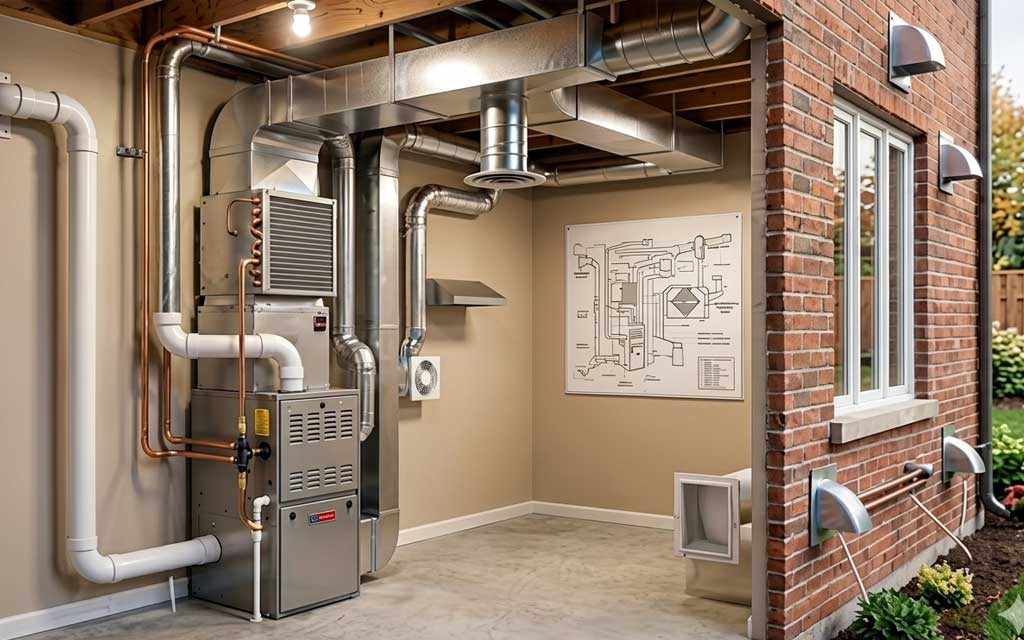
- Locate the Discharge Line: The condensate network typically consists of a white PVC line running along the side of your indoor air handler or furnace cabinet, channeling water through an exterior wall foundation.
- Flush the Drainage System: Unfasten the T-shaped access cap on the PVC line and pour approximately one cup of standard white distilled vinegar down the track to safely dissolve organic slime buildup and eradicate internal algae colonies.
- Audit for Structural Pipe Leaks: While treating the line, carefully examine all visible plastic elbow joints and pipe lengths for hairline cracks or active water drips. If you spot a leak, it must be repaired immediately by a professional technician to prevent hidden subfloor rot or toxic mold growth inside your walls.
- Proactive Preservation Hack: Adding this rapid chemical line flush to your seasonal home maintenance routine is a highly effective way to prevent accidental household water damage while keeping your air conditioning running efficiently all summer.
- Executing Thermostat Calibration and Operational Diagnostics
The wall thermostat functions as the primary control center for your entire residential heating and cooling infrastructure. Ensuring that this component operates flawlessly and reads your indoor ambient temperature accurately is essential for stabilizing home comfort and driving down monthly energy consumption.
How to Test and Adjust Your Thermostat Configuration:
- Run a Temperature Calibration Audit: Place a standard glass or digital thermometer directly adjacent to your wall thermostat and leave it undisturbed for 15 minutes. Compare the two data readouts—if the numbers vary by more than one degree, your control unit is miscalibrated and requires a professional adjustment or a complete replacement.
- Test System Command Response: Manually cycle your control interface between heating and cooling configurations to verify your furnace or outdoor heat pump registers the signal immediately and fires up correctly. If the system lags or stalls completely, you may be dealing with a corrupted thermostat sensor or a loose electrical terminal wire inside the wall.
- Replace Backup Batteries Annually: If your wall panel utilizes alkaline backup batteries, make it a firm habit to swap them out for fresh cells at least once a year to mitigate sudden system dropouts or heating failures during a cold snap.
- Smart Home Upgrade Rule: If your legacy manual slider thermostat struggles to maintain an accurate reading, consider upgrading to a modern Wi-Fi smart thermostat to unlock enhanced energy tracking, automated scheduling parameters, and complete remote control from your mobile device.
- Executing a Comprehensive Seasonal HVAC Performance Review
Beyond completing your standard monthly housekeeping checklist, it is highly critical to execute a rigorous, top-to-bottom seasonal checkup on your entire climate control setup before extreme weather gridlocks the region. Initiating a thorough performance test allows you to identify minor mechanical anomalies and resolve them before they escalate into high-priced emergency breakdowns in the middle of winter or during summer heatwaves.
The Ultimate Seasonal Property Maintenance Checklist:
- Inspect Filter Loadings: Always launch your seasonal mechanical review by pulling your furnace air filter and sliding in a fresh, clean media pack if the pleats are loaded with grey dust.
- Clear the Exterior Condenser Node: Clean off the outer compressor casing and aluminum fin packs, ensuring zero autumn leaves, tall garden weeds, or yard clipping debris choke the perimeter ventilation spaces.
- Verify Thermostat Operational Modes: Confirm that your digital wall display is functioning perfectly and flipped over to the appropriate seasonal parameter (heating mode for winter, cooling mode for summer).
- Observe a Full Cycle Audit: Power on the system and let it run through a complete heating or cooling cycle. Stand near your supply registers and listen closely for uncharacteristic squealing, metallic rattling, or heavy thumping echoing from your ductwork or furnace closet. If you detect abnormal odors or noises, shut the breaker down and contact a specialist.
- Comprehensive Care Integration: The team at Mobi Cleaning Canada delivers comprehensive seasonal property preservation and deep cleaning packages tailored to keep your real estate assets running safely and smoothly through every volatile shift in BC weather.
Summary and Practical Next Steps for BC Homeowners
Maintaining structural consistency with your furnace and HVAC maintenance routines does more than optimize your indoor living comfort—it actively shields your family from inflated monthly utility bills, extends the service lifespan of your expensive mechanical equipment, and purifies the air your children breathe. The ultimate secret to long-term property performance is sticking to a regular operational schedule.
If you feel uncertain about where to begin with your complex home care routine, or simply prefer an experienced technical professional to handle the deep cleaning details for you, our local crew is always ready to step in. Whether you require comprehensive structural sanitation, deep ventilation line vacuuming, or expert advice on keeping your property in flawless shape, our brand has your back.
Contact Mobi Cleaning Canada today to book your custom service appointment or request a completely transparent estimate, and ensure your household is fully prepared for whatever the BC seasons bring!
Call Us
778.801.8595
SEND US AN EMAIL
book@mobicleaning.ca
Text Us
778.801.8595
Contact Us For Cleaning Services
Real Results
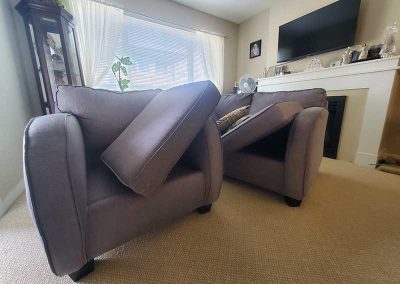
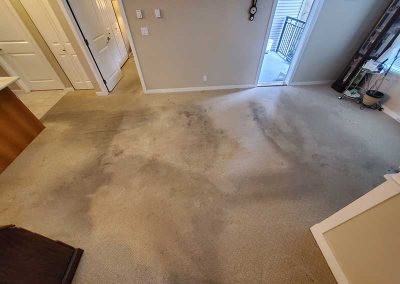
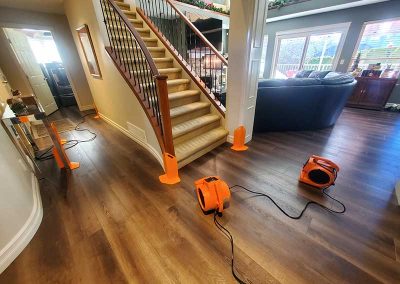
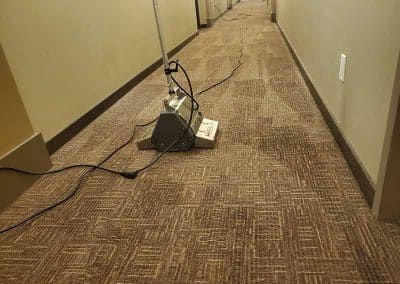
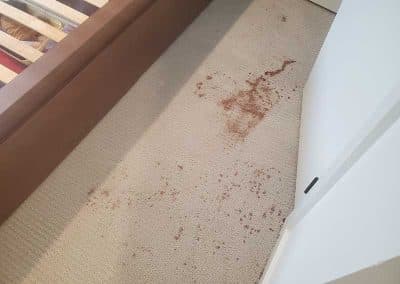
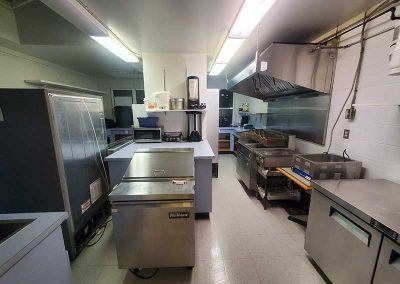
We take tremendous pride in the results we deliver for our clients. The photos speak for themselves.


Why Choose Us
Business License, Criminal Record Check, Trained Technicians, Professional Tools, Professional Solutions, Better Results and Quality, Transparent Pricing and no Hidden Fees, Health Benefits, Professional Operation of Tools, Mobi Cleaning Difference, Flexible Scheduling, On-Time, Maintenance, Great Competitive Value, Customer Satisfaction Focused, IICRC Trained, Green Cleaning, Reputation, Property Protection, Fast Drying Carpets, 100 Percent Satisfaction Guarantee, Experience, Professional Processes, First-Class Service, Fast Response Time, Free Consultation and Estimates, Competitive Pricing and Dedicated Account Manager