





Why Did My Carpet Turn Yellow or Brown After Steam Cleaning?
How to Fix Brown Stains on Carpet After Washing
Deep cleaning your flooring is supposed to leave it looking pristine and refreshed, but sometimes, instead of a brighter appearance, you are left with unsightly yellow or dark brown patches.
If you notice your fibers changing color after a deep tissue extraction, do not panic—many property owners face this exact issue, which typically stems from moisture absorption mechanics, alkaline chemical reactions, or sticky soap residues. At Mobi Cleaning Canada, our years of professional field experience across British Columbia have given us deep insight into exactly why these mystery spots resurface—and how to eliminate them. In this comprehensive guide, we break down the primary catalysts behind post-cleaning carpet browning and yellowing, along with the best methods to restore your floors.
Common Reasons for Carpet Discoloration After Cleaning
- Carpet Wicking (The Most Common Cause)
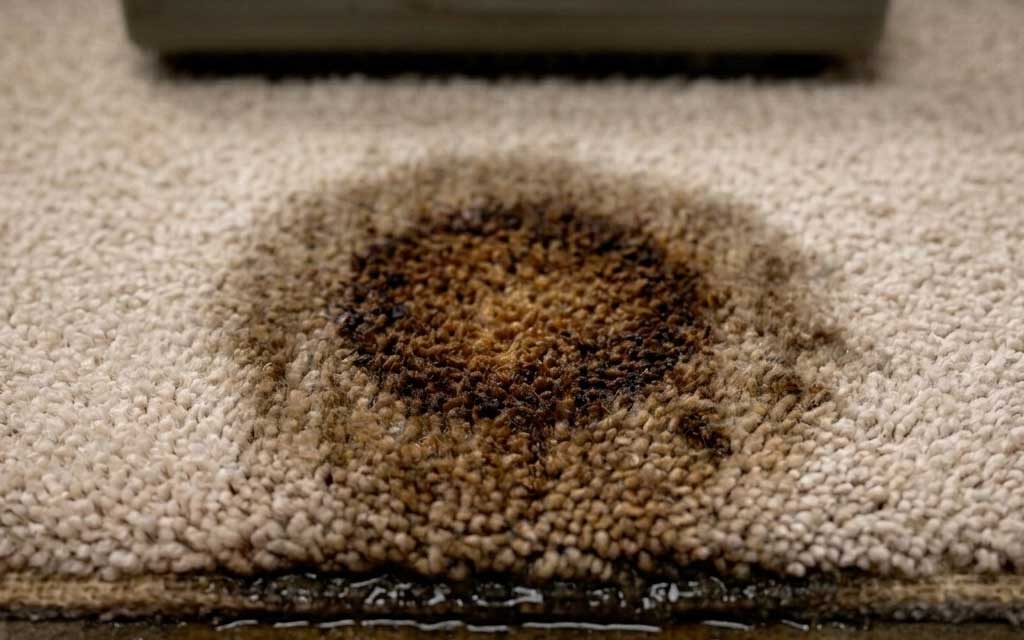
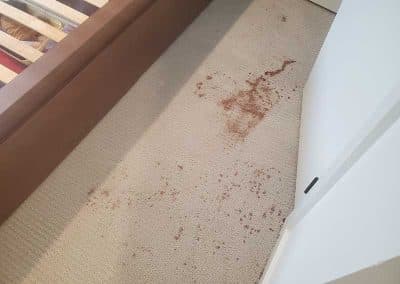
One of the leading culprits behind dark brown discoloration post-cleaning is a phenomenon known as wicking. This occurs when a deeply embedded subsurface spill is rehydrated but fails to be fully extracted, causing the pigments to migrate to the surface as the pile dries. Capillary action draws the trapped moisture upward from the primary backing, carrying old dirt and buried contaminants directly to the top layer where they form a dark, circular boundary line.
How to Fix It:
- Position high-velocity household fans, floor dehumidifiers, or commercial air movers to accelerate drying times.
- Absorb the migrating moisture by placing a dense stack of white paper towels over the zone, weighted down with a heavy object for 24 hours.
- If deeply set spots continuously resurface, transition to a low-moisture cleaning method or contract a professional hot water extraction specialist.
- Cellulosic Browning (On Wool or Natural Fiber Rugs)
Area rugs and carpets woven from natural organic materials—such as wool, jute, sisal, or cotton—are highly susceptible to cellulosic browning. This chemical reaction occurs when the natural plant or animal fibers degrade over time and release dark, organic tannins as soon as they absorb excessive moisture.
How to Fix It:
- Apply a specialized commercial anti-browning agent or a mild, homemade acidic rinse consisting of one part white vinegar mixed with four parts water.
- Limit fluid volumes on natural fibers altogether; these delicate textiles require specialized, low-moisture containment protocols.
- If the dark oxidation does not lift, connect with a dedicated area rug restoration service to safely preserve the delicate material.
- High-pH Chemicals (Harsh Soap Reactions)
Many over-the-counter carpet shampoos feature highly alkaline chemical formulations that trigger rapid fiber yellowing due to a structural pH imbalance. If your topical pre-treatment or detergent exceeds a pH of 9, it frequently alters the textile dyes and leaves behind a sticky, yellowed film.
How to Fix It:
- Neutralize the alkaline buildup by flushing the fibers with a low-pH acidic rinse, such as a diluted vinegar solution or a commercial neutralizing rinse.
- Always verify the pH level of your cleaning agents or spot treatments before applying them to your primary living spaces.
- If the yellow chemical discoloration persists, a certified carpet technician can safely recalibrate the proper pH equilibrium.
- Over-Wetting and Leftover Soap Residue
Saturating your flooring with excessive water volumes traps deep moisture, locking in loose soil particles and concentrated detergent polymers that cure into dark patches. This is a prevalent issue when utilizing rental DIY carpet extractors that lack the vacuum lift necessary to fully recover the injected fluids.
How to Fix It:
- Extract as much subsurface water as possible using a high-powered, commercial-grade wet-dry shop vacuum.
- Flush the affected fibers thoroughly with clean, warm water to purge hidden shampoo films and chemical deposits.
- Deploy floor fans or structural dehumidifiers to ensure the room dries completely within a brief window.
- Hard Water Mineral Deposits
If your municipal tap supply contains elevated concentrations of dissolved minerals, those heavy calcium and magnesium particles can lodge within your carpet pile during a wash, crystallizing into a dull, yellowish hue over time.
How to Fix It:
- Fill your portable DIY carpet extractor with distilled bottled water rather than hard household tap water.
- If mineral crystallization has already occurred, execute a mild vinegar rinse to dissolve the bound mineral crystals.
- Enlist a professional steam cleaning team to completely extract deeply embedded hard water deposits using specialized truck-mounted equipment.
- Chemical Burns (Bleach, Ammonia, and Sun Damage)
Certain aggressive household cleaners react destructively with sensitive textile dyes, culminating in permanent fiber yellowing or localized bleaching. This irreversible damage is commonly caused by:
- Sodium hypochlorite (chlorine bleach) cleaners that permanently strip out the factory dye profile.
- Ammonia-based chemicals that radically disrupt the chemical stability of the yarn.
- Ultraviolet solar degradation, which triggers rapid yellowing on fibers previously treated with cheap optical brighteners.
How to Fix It:
- Conduct a mandatory spot test with any new cleaning compound on a hidden patch of flooring before spraying visible areas.
- Never deploy harsh chemicals like household bleach or raw ammonia to resolve a standard carpet stain.
- If a chemical burn has altered the fiber composition, you will need a professional carpet dye correction specialist to restore the missing pigment.
How to Get Rid of Yellow or Brown Carpet Stains After Washing
If your flooring has developed dark, unsightly discoloration during the drying cycle, execute this precise remediation framework to restore the fibers:
Step 1: Execute Subsurface Moisture Extraction
- Layer a dense stack of clean, white paper towels directly over the target spot and apply a heavy weight, such as a stack of textbooks.
- Maintain this compression undisturbed for a full 24 hours to draw deep-seated backing moisture upward into the absorbent media.
Step 2: Deploy a Calibrating Acidic Rinse
- Formulate a neutralizing solution using one part white distilled vinegar blended with four parts cold water.
- Mist the acidic solution lightly onto the affected yarn and delicately blot—never scrub—with a white microfiber cloth.
- Maintain strict moisture control to avoid re-saturating the primary backing.
Step 3: Apply a Dehumidifying Odor Neutralizer
- Dust a uniform, generous layer of pure baking soda across the damp section to extract residual humidity and neutralize sour damp scents.
- Allow the powder to rest for 2 to 3 hours before removing it completely with a high-suction upholstery vacuum attachment.
Step 4: Treat with a Specialized Chemical Counteragent
- If a dark boundary line remains visible, apply a dedicated, commercial-grade anti-browning stain remover formulated specifically for synthetic or natural fibers.
- Strictly follow the manufacturer’s application protocols on the product label to ensure optimal polymer breakdown.
Step 5: Accelerate Environmental Drying Conditions
- Activate overhead ceiling fans, engage a structural dehumidifier, or open perimeter windows to optimize cross-ventilation.
- Restrict foot traffic entirely across the treated zone until the pile is 100% dry to the touch.
How to Prevent Carpet Browning and Yellowing in the Future
Proactive defense remains the most effective strategy against post-extraction discoloration. Protect your flooring investments by utilizing these professional protocols:
- Execute Multi-Phase Vacuuming – Run a high-performance vacuum both before and after wet cleaning to remove dry particulate soils, preventing muddy matrices from forming within wet fibers.
- Retain a Certified Technical Specialist – Commercial truck-mount extraction systems deliver superior vacuum lift, regulated chemical chemistry, and exceptionally rapid evaporation rates.
- Avoid Highly Alkaline Formulations – Restrict your product selection to neutral or low-pH carpet shampoos to eliminate chemical color shifts and dye stability failures.
- Enforce Rapid Evaporation Timelines – Position air movers, engage HVAC climate controls, or utilize dehumidification equipment immediately following fluid application to short-circuit capillary wicking.
- Mandate Inconspicuous Spot Testing – Always apply a microscopic drop of your targeted detergent mixture inside a closet or behind a baseboard to verify colorfastness.
- Intercept Spills Instantly – Treat fluid drops immediately upon contact. Blot the surface dynamically to prevent liquid contaminants from migrating down into the underpad.
Carpet Discoloration Myths Exposed
Myth: Maximizing water volume during extraction yields a cleaner result.
Fact: Excessive saturation triggers severe fiber wicking, forcing deep-set backing soils to migrate upward and cure into dark rings. Prolonged drying windows also introduce risks of microbial growth and mildew. Always apply controlled, minimal fluid volumes and prioritize aggressive extraction.
Myth: Post-wash yellowing indicates a permanently ruined textile.
Fact: The vast majority of yellow discoloration stems from chemical imbalances, high alkalinity, or mineral crystallization—all of which respond favorably to targeted chemical neutralization. Acidic rinsing agents can recalibrate fiber pH, though professional color restoration is required if chlorine bleach or severe UV bleaching has stripped the factory dye.
Myth: Vinegar and baking soda serve as a universal cure for every type of flooring stain.
Fact: While useful for basic remediation, home remedies carry structural risks. Vinegar is highly acidic and can deteriorate delicate natural textiles like wool if improperly balanced. Baking soda is an effective desiccant but lacks the chemical surfactants required to break down complex pigment bonds. Persistent discoloration demands professional-grade neutralizing agents.
When to Call a Professional Carpet Cleaner
When DIY correction methods fail to remediate persistent fiber oxidation, advanced field technology is required.
The team at Mobi Cleaning Canada specializes in advanced hot water extraction, technical stain removal, and professional anti-browning treatments throughout the Lower Mainland. Our IICRC-certified crews utilize industrial-grade drying equipment and precise chemical neutralizing solutions to guarantee your floors dry clean, uniform, and pristine.
Do not let post-wash yellowing or wicking stains compromise your interior property values. Connect with the Mobi Cleaning Canada dispatch team today at 778-801-8595 to schedule your professional deep extraction service!
Frequently Asked Questions
Q: Why did my carpet turn brown after steam cleaning?
A: This reaction is primarily caused by wicking. When inadequate vacuum extraction leaves excessive moisture behind, capillary action draws buried dirt, old spills, and soap residues out of the underlying carpet pad up to the surface tips as the fiber dries. Prevent this by managing fluid volumes, accelerating airflow with air movers, and using compressed towel layering.
Q: How do I remove yellow stains from a wool carpet?
A: Natural wool fibers are highly susceptible to cellulosic browning when exposed to excessive moisture and alkaline detergents. Treat these delicate textiles by misting a mild, stabilized acidic rinse or a dedicated anti-browning formula. Always perform a preliminary spot check to protect delicate animal fibers, and ensure rapid mechanical drying to halt oxidation.
Q: Can I fix bleach stains on my carpet?
A: Sodium hypochlorite (household bleach) damage is irreversible because the chemical strips the actual dye molecules away, leaving a blank, lightened patch behind. Standard cleaning solutions cannot restore missing pigment. Remediating this requires a professional carpet dye correction specialist to meticulously re-inject matching color fastness into the bare fibers, or performing a structural bonded insert patch.
Call Us
778.801.8595
SEND US AN EMAIL
book@mobicleaning.ca
Text Us
778.801.8595
Contact Us For Cleaning Services
Real Results
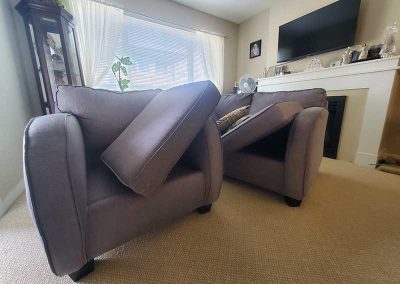
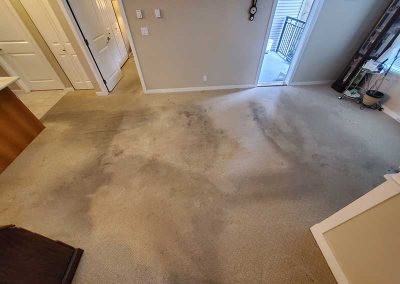
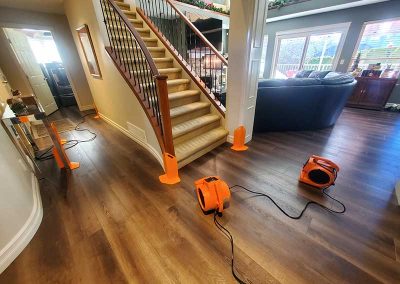
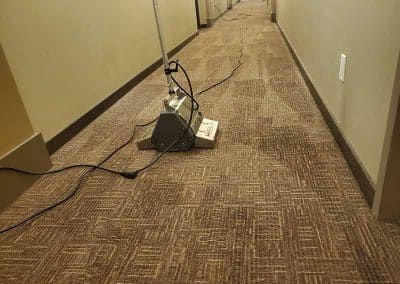
We take tremendous pride in the results we deliver for our clients. The photos speak for themselves.
Why Choose Us
Business License, Criminal Record Check, Trained Technicians, Professional Tools, Professional Solutions, Better Results and Quality, Transparent Pricing and no Hidden Fees, Health Benefits, Professional Operation of Tools, Mobi Cleaning Difference, Flexible Scheduling, On-Time, Maintenance, Great Competitive Value, Customer Satisfaction Focused, IICRC Trained, Green Cleaning, Reputation, Property Protection, Fast Drying Carpets, 100 Percent Satisfaction Guarantee, Experience, Professional Processes, First-Class Service, Fast Response Time, Free Consultation and Estimates, Competitive Pricing and Dedicated Account Manager