








What Are the Essential Steps If My House Floods
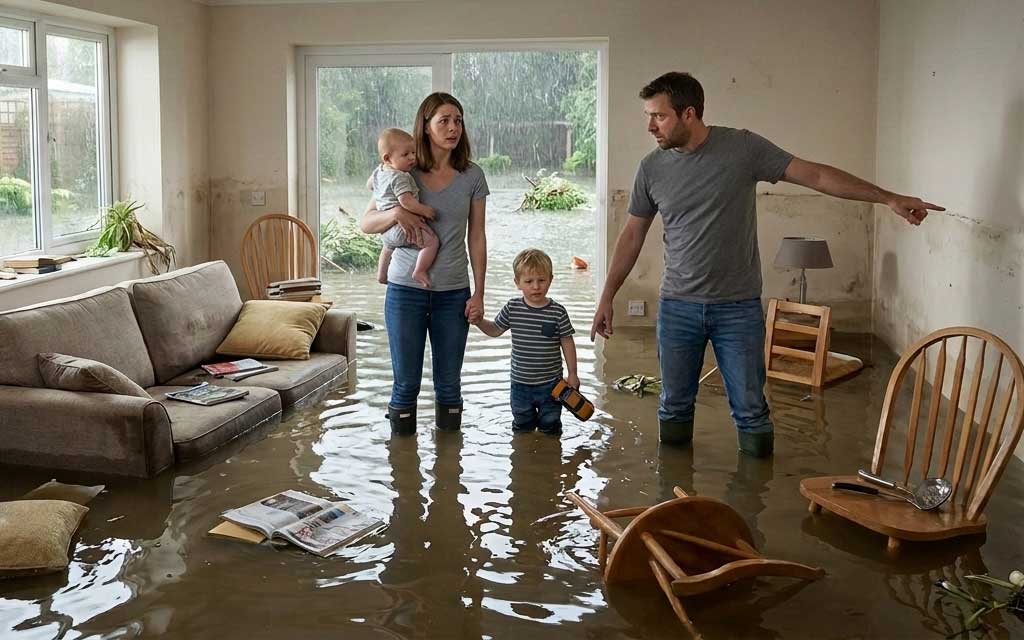
Because of its close location to massive local water systems like the Fraser River, the Burrard Inlet, and the Pacific Ocean—combined with long seasonal stretches of heavy atmospheric river storms—the Lower Mainland frequently deals with property-damaging structural floods. Dealing with unexpected electrical fires, shock hazards, and devastating building deterioration makes it absolutely vital to recognize the distinct threats of rapid indoor water penetration and understand exactly how to manage the emergency calmly by contacting a certified flood cleanup firm.
Operating throughout British Columbia, Mobi Cleaning Canada specializes in urgent water damage restoration solutions, and our team is standing by to deliver the exact steps you need to take the moment a leak appears to keep your family safe and stop further destruction to your real estate and belongings.
In this comprehensive informational guide, we will walk local property owners through a detailed 8-step flooded house mitigation checklist covering instant water control, crucial safety steps, structural damage management, insurance proof-of-loss guidelines, and knowing when to call the professionals for certified water extraction services.
Do you need urgent assistance following an unexpected indoor flood? Reach out to Mobi Cleaning Canada to dispatch our emergency water extraction crew right now.
Step 1: Focus On Absolute Safety First
Since standing water inside a family home or commercial storefront triggers instant health and safety hazards—including severe risk of electrocution and highly slick floor surfaces—protecting yourself must always be your number one focus before any flood repairs begin.
Evacuate the Building if Necessary
If water is rushing into your building at a fast, uncontrollable rate from a backed-up mainline sewer, a burst indoor plumbing pipe, or a severe regional weather crisis, leave the property immediately and find a dry, safe location. Make sure every member of your family—including your household pets—is completely safe, warm, and accounted for.
Shut Off Your Electricity and Main Water Supply (If Safe)
If you can do so without any personal risk—meaning you do not have to walk through or stand in any pooling water to access your breaker box—you should turn off your main electrical grid and close the primary incoming water valve. If the surrounding area looks too wet or dangerous, do not touch the electrical panel yourself. Contact BC Hydro and your local city water department right away to request an emergency remote power disconnect from the outdoor grid.
Stay Alert for Slips, Biological Contamination, and Hidden Gas Leaks
Slippery walkways, highly toxic wastewater, and hidden gas line breaks are common hazards that surface during active indoor flooding.
- Slipping Hazards: The moment water floods an indoor living space, floor materials turn incredibly slick and dangerous, increasing the chance of an accidental slip and fall. Beyond the liquid itself, any outdoor mud, silt, or slime dragged inside by rising floodwaters creates highly hazardous walking conditions.
- Biological Contamination: Sweeping outdoor floodwaters collect an array of external pollutants, toxic chemicals, and raw sewage overflows, depositing these hazards directly into your home and creating a toxic environment that requires professional biohazard water damage cleanup.
- Gas Leaks: Violent rushing waters and heavy floating debris have the strength to bend gas supply lines and shift large appliances, which can instantly cause a highly flammable gas leak.
Because of this incredibly hazardous mixture of structural dangers, it is absolutely essential to have your entire property cleared by a certified safety expert before you attempt any part of the water mitigation or cleanup process.
Step 2: Collect Thorough Evidence for Your Insurance Claim
When dealing with large-scale flood damage, providing flawless, detailed proof of loss is critical to getting your full financial payout from your Canadian insurance company.
Capture Comprehensive Photos and Videos Before Cleaning Begins
Before you touch any standing water or set up a single drying fan, you must fully document the structural destruction for your insurance files. To do this right, snap dozens of sharp, high-resolution photographs and walk-through videos of both the indoor rooms and the outdoor property boundaries to serve as permanent visual proof supporting your formal property damage claim. Sending undeniable, clear visual documentation of the exact moisture boundaries directly to your adjuster can drastically speed up your insurance claim processing time and help you secure a much fairer financial payout.
Keep All Damaged Property on Site for Now
Whether you are recovering from a messy basement sewer backup in New Westminster or a sudden ruptured water pipe emergency in Port Moody, it is vital to keep your ruined personal property as physical, tangible proof of loss for your insurance adjuster. Beyond serving as proof for your claim, many of your electronics, soft textiles, and wood furniture pieces can actually be saved using advanced professional content restoration techniques, so you should avoid throwing anything in the garbage until a certified technician assesses the items.
Notify Your Property Insurance Provider Right Away
Reach out to your insurance broker or insurance carrier the moment you are in a safe location to officially open your property claim, book a mandatory site visit with a field claims adjuster, and fast-track your emergency displacement and living expense benefits if your policy allows.
Step 3: Take Proactive Steps to Minimize Secondary Losses
If local safety officials or restoration experts declare that your building is fully stable and safe to enter, you can take early steps to stop secondary structural damage by shifting your high-value belongings, running household ventilation systems to dry exposed materials, and physically soaking up pooling surface water.
Relocate High-Value Belongings to Elevated Spaces
If you can safely reach and carry your most valuable possessions, heirloom items, and critical personal paperwork, start moving them upstairs or to elevated, bone-dry areas so they escape ongoing water absorption and can begin shedding moisture.
Deploy Household Air Movers and Room Dehumidifiers
Running standard household floor fans and portable consumer dehumidifiers is a smart strategy to control minor surface moisture, accelerate room evaporation times across wet drywall or trim, and suppress early fungal colonization right after an indoor plumbing failure.
Mop Up Standing Surface Water If You Can
You can take charge of the initial cleanup by extracting standing puddles from your building floors—whether you operate a family home in Vancouver or a commercial warehouse in Richmond—by using traditional mops and buckets or a standard consumer-grade wet/dry shop-vac.
Step 4: Avoid Any Delays in Contacting a Professional Restoration Specialist
Hazardous black mold and aggressive bacterial blooms can establish a foothold and begin multiplying within a tight 24-to-48-hour window from the initial leak, meaning you cannot afford to wait to call a certified structural drying team.
Backed by an elite, rapid-response emergency vehicle fleet, Mobi Cleaning Canada dispatches certified field technicians straight to your doorstep 24 hours a day, 7 days a week, 365 days a year. While home and business owners can manage basic, surface-level drying tasks independently, it is incredibly advantageous to bring in a certified team armed with industrial-grade water extraction tools designed to pull moisture from deep inside building infrastructure and stop long-term framework rot caused by migrating water channels.
For immediate, trusted 24/7 flood cleanup and water extraction services throughout Burnaby, Coquitlam, Port Coquitlam, and surrounding Lower Mainland communities, call Mobi Cleaning Canada right now.
Step 5: Identify the Three Distinct Categories of Flooding and Wastewater
The property damage restoration industry divides indoor water contamination into three unique categories: clean water, grey water, and black water. Identifying the specific category of moisture invading your property helps you manage the emergency safely and dictates the exact sanitization protocols needed to clean the space.
- Category 1: Clean Water: The least hazardous form of water damage, clean water originates from sanitary indoor pipes, such as a broken fresh-water supply line, sudden rainwater penetration through a roof puncture, or a leaking household appliance hose. Though it contains no immediate biohazards, it will still trigger deep structural decay and wood rot if it is left unmitigated.
- Category 2: Grey Water: Considerably more dangerous than clean water but less toxic than raw sewage, grey water comes from domestic drainage systems like a leaking dishwasher, washing machine overflow pans, sink drains, or a backed-up toilet bowl containing no solid waste. It carries chemical residues, organic waste, and active bacteria that spread through a building, requiring thorough structural decontamination and sanitization from certified flood technicians.
- Category 3: Black Water: The most lethal and highly toxic category of water damage, black water comes from dangerous sources like rising river levels, local street flash floods, failed sump pump basins, or raw sewer mainline backups. It is packed with biological hazards, fecal matter, chemical runoff, and airborne pathogens, meaning Category 3 disasters must exclusively be cleaned and sanitized by certified biohazard restoration companies wearing specialized personal protective equipment (PPE).
Step 6: Inspect for Hidden Property Deficiencies After the Initial Dry-Out
When managing building water damage, you must look beyond what is immediately visible on the surface. Fungal colonies frequently grow completely hidden inside wall cavities, behind baseboard molding, or directly under plywood subflooring. If you notice signs of structural wood softness, cracking foundation concrete, cupping laminate planks, musty odors, or a drop in your indoor air quality from high indoor humidity, you are dealing with hidden water damage that will quickly escalate into an expensive crisis if it is not resolved by a certified mold remediation expert.
Step 7: Partner with IICRC-Certified Building Remediation Specialists
Overcoming extensive flood damage requires the heavy machinery and technical training of an expert property restoration company, making it critical to choose a highly rated local contractor with years of proven field experience resolving regional BC property floods.
Mobi Cleaning Canada has proudly assisted home and business owners throughout British Columbia with extraction, structural drying, and complete real estate recovery following sudden property disasters. When your home or commercial building deals with an unexpected water disaster or demands thorough mold mitigation, our certified and seasoned field crews respond instantly to map the moisture spread and execute an aggressive structural drying strategy.
Step 8: Implement Proactive Measures to Stop Future Indoor Floods
If your home or commercial storefront sits in a low-lying geographical zone that is historically prone to seasonal flooding, structural reinforcement and prevention are your best defense lines. By filling visible foundation cracks, clearing out your perimeter drain tile systems, installing high-capacity backup sump pumps, and placing wireless moisture alarms in vulnerable zones, you can fortify your building against heavy seasonal downpours, protecting your investments and family from catastrophic structural losses.
If your property has recently suffered indoor water damage, a plumbing leak, or an appliance backup in Vancouver, Richmond, Burnaby, New Westminster, Port Moody, Port Coquitlam, or Coquitlam, do not let the structural framing rot out. Contact Mobi Cleaning Canada today for the region’s top-rated emergency house flood restoration services.
Call Us
778.801.8595
SEND US AN EMAIL
book@mobicleaning.ca
Text Us
778.801.8595
Contact Us For Cleaning Services
Real Results
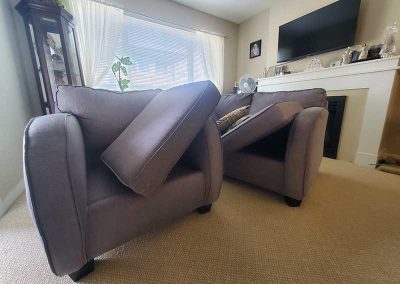
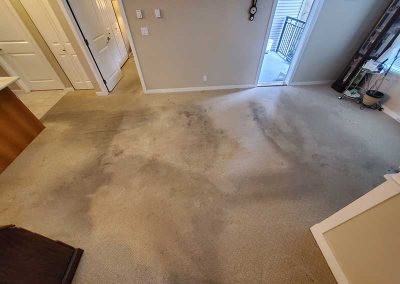
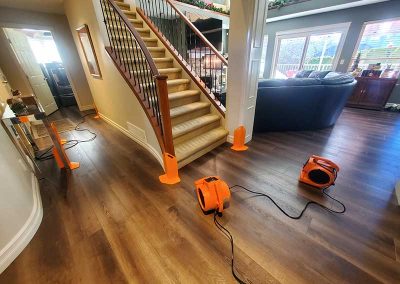
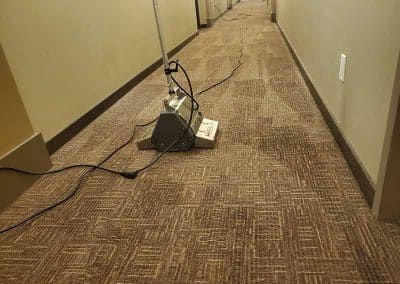
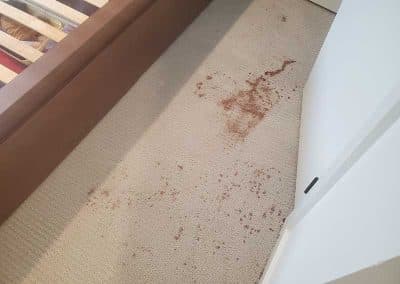
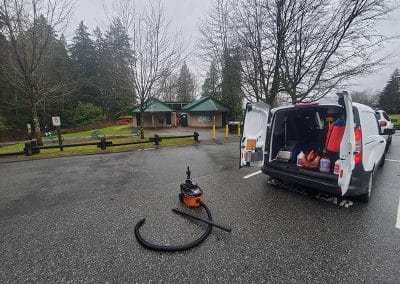
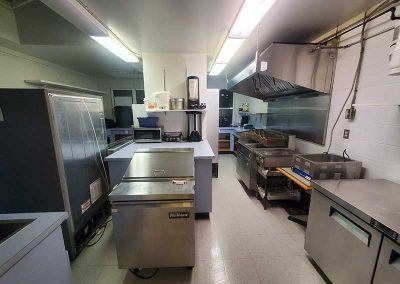
We take tremendous pride in the results we deliver for our clients. The photos speak for themselves.
Why Choose Us
Business License, Criminal Record Check, Trained Technicians, Professional Tools, Professional Solutions, Better Results and Quality, Transparent Pricing and no Hidden Fees, Health Benefits, Professional Operation of Tools, Mobi Cleaning Difference, Flexible Scheduling, On-Time, Maintenance, Great Competitive Value, Customer Satisfaction Focused, IICRC Trained, Green Cleaning, Reputation, Property Protection, Fast Drying Carpets, 100 Percent Satisfaction Guarantee, Experience, Professional Processes, First-Class Service, Fast Response Time, Free Consultation and Estimates, Competitive Pricing and Dedicated Account Manager