










Mold in Your Air Ducts? How to Eliminate It for Good From Your BC Home
If you notice a persistent, musty smell coming from your vents, suffer from unexplained allergy flare-ups, or see dark streaks around your registers, you likely have mold growing inside your ductwork.
Discovering black mold in your heating and cooling system is more than just an unpleasant household issue—it directly contaminates your indoor air quality every time your furnace or air conditioner turns on. These hidden fungal colonies release invisible spores that circulate freely throughout your entire living space. Given British Columbia’s naturally damp and humid climate, ignoring the problem allows the mold to spread aggressively through your walls and ceilings.
This guide explains how to spot toxic mold inside your vents, outlines the health risks it creates, and details the correct steps to eradicate it permanently.
As certified indoor air quality and restoration specialists at Mobi Cleaning Canada, we have spent years helping West Coast homeowners protect their properties from the dangers of hidden mold. Here is what you need to know to keep your home safe:
Critical Signs of Black Mold in Your Air Vents
The toxic black mold strain (Stachybotrys chartarum) requires continuous moisture and high humidity to grow, making the dark, temperature-regulated environment of Pacific Northwest HVAC systems an ideal breeding ground. Watch for these clear warning signs:
- Visible Fungal Growth Around Vents
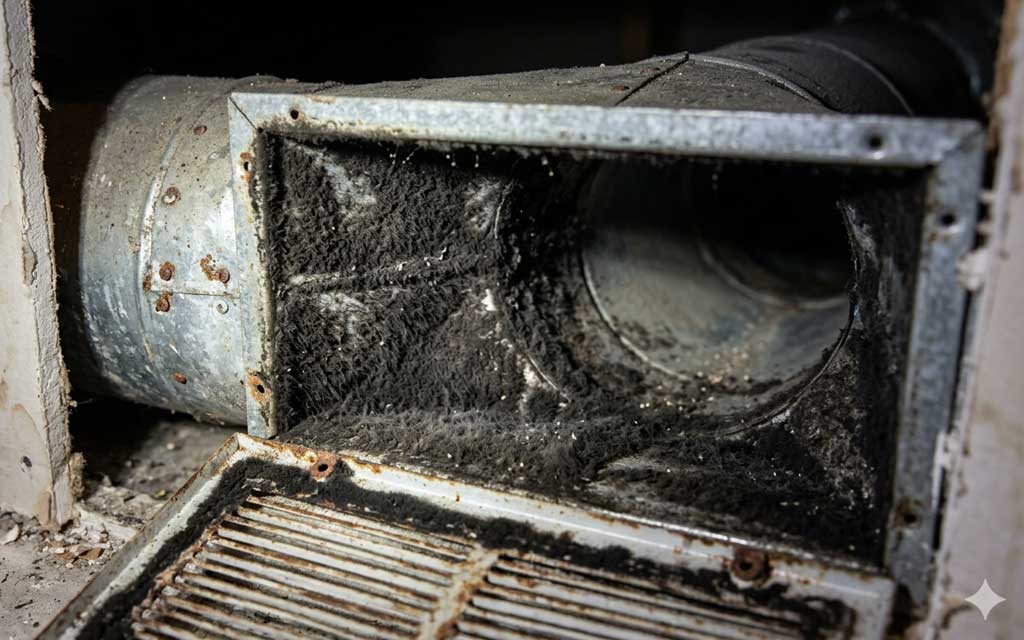
- Discoloration: Black, dark green, or grayish-brown spots and streaks spreading across your vent covers or inside the visible edges of your duct walls.
- Texture: A fuzzy, velvet-like coating or a slimy, wet appearance on internal sheet metal surfaces.
- Rapid Return: Black film or spotting that reappears on your registers just days after you wipe them down with standard household cleaners.
- Persistent, Earthy Odors
- Musty Scents: A constant smell resembling damp soil, rotting wood, or wet cardboard localized near specific registers.
- Air Flow Spikes: A sudden, intense burst of foul air hitting your rooms the moment your HVAC blower fan turns on during rainy seasons.
- Accelerated Allergy Symptoms
- Respiratory Irritation: Sudden fits of sneezing, dry coughing, and upper respiratory congestion that worsen specifically when you are indoors.
- Eye and Throat Discomfort: Red, itchy, or watery eyes alongside a persistent sore throat or post-nasal drip that magically clears up when you leave the house.
- Chronic Health Complaints
- Breathing Difficulties: Unexplained shortness of breath, wheezing, or tightness in your chest while sleeping or relaxing.
- Neurological Strains: Frequent tension headaches, dizziness, or unusual mental fatigue caused by breathing dirty air.
- Long-Term Risks: Extended exposure to airborne mycotoxins can eventually contribute to deeper lung infections and chronic respiratory issues.
- Excess Moisture and Condensation Vectors
- Water Stains: Damp spots, peeling paint, or dark water rings on the drywall directly surrounding your ceiling or floor registers.
- Sweating Metal: Visible water droplets pooling on the exterior metal of your vent grilles due to rapid coastal humidity shifts.
- High Indoor Humidity: A heavy, humid feeling in your rooms that remains high even when you use exhaust fans.
If your household is experiencing any of these warning signs, you need to address the root cause immediately to protect your family’s health. Contact Mobi Cleaning Canada to book a thorough physical inspection of your ventilation system today.
What Causes Mold to Grow Inside BC Ductwork?
Mold spores need three specific environmental ingredients to transform from harmless, dormant particles into thriving colonies: moisture, warm air, and an organic food source. Standard BC home layouts provide all three when regular maintenance is skipped:
- High Coastal Humidity: Wet West Coast winters, heavy rain cycles, and indoor relative humidity levels rising above 60% create the perfect breeding ground for fungal spores.
- Accumulated Dust and Debris: Mold feeds on organic matter like dead skin cells, pet dander, lint, and fine outdoor dirt that settles in your duct lines over time.
- Stagnant Air pockets: Blocked vents or unbalanced furnace blowers create dead zones of completely stagnant air where trapped moisture cannot evaporate.
- Dirty, Clogged Air Filters: Leaving old, dust-choked air filters in place turns the filter media itself into a mold incubator that constantly feeds spores into your main air supply.
- Duct Leaks and Breaches: Unsealed mechanical joints or tears in flexible ducting pull in damp, unconditioned air from crawlspaces or attics, creating localized condensation zones.
The Right Way to Remove Black Mold from Air Ducts
Attempting to scrub black mold out of your HVAC lines with DIY household chemicals or a standard shop vacuum is a dangerous mistake. Agitating a mold colony without professional containment tools will instantly release millions of toxic spores into the air, permanently contaminating your furniture, carpets, and lungs.
Proper fungal remediation requires specialized training, commercial negative-pressure vacuum systems, and EPA-approved antimicrobial sanitizers that kill the mold down to the root without damaging your system.
The Mobi Cleaning Canada 5-Step System for Safe Ductwork Remediation
Attempting to wipe away mold using standard household tools will only scatter invisible spores throughout your living spaces. Our certified technicians follow a strict, highly controlled remediation framework to safely isolate, eliminate, and lock down fungal colonies within your heating and cooling systems.
Here is how our experienced crews protect your BC property and restore your indoor air:
Step 1: Technical Diagnostic Inspection and Moisture Mapping
An IICRC-certified remediation technician begins by assessing the hidden areas of your HVAC system:
- Video-Endoscope Inspection: We run specialized micro-cameras deep inside your main supply trunks and plenums to locate hidden fungal colonies.
- Moisture and Thermal Tracking: Using pinless digital moisture meters and infrared thermal imaging cameras, we track down hidden fluid leaks and cold condensation zones along your duct runs.
- Air and Surface Sampling: We take controlled indoor air samples and surface tape-lifts to measure exact spore counts and identify the specific mold strains present.
- Root Cause Analysis: We find the exact mechanical or structural flaw creating the moisture, ensuring the mold cannot return after we leave.
Step 2: Establishing Heavy-Duty Negative-Pressure Containment
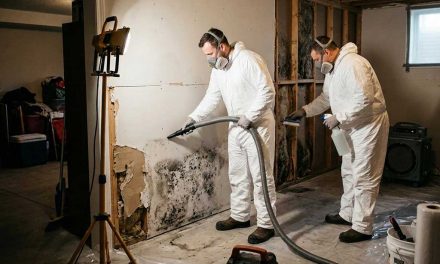
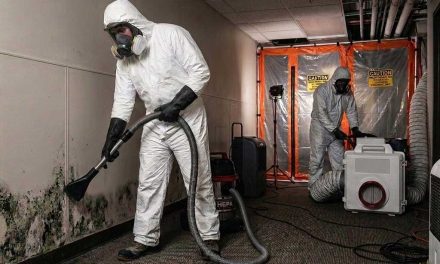
Before we agitate any dust or fungal structures, our team seals off every single supply and return register across your home using commercial-grade adhesive film. We then attach a powerful, truck-mounted extraction vacuum plant to your main duct trunk line. This creates a high-velocity vacuum loop that ensures any dislodged spores are pulled safely out of your home and into our containment tanks, rather than drifting into your bedrooms and living spaces.
Step 3: Mechanical Agitation and HEPA Vacuum Extraction
- HEPA Filtration: Commercial, high-efficiency particulate air (HEPA) vacuums continuously capture loose surface dust, micro-particles, and organic debris.
- Scrubbing Tools: We run motorized whips, pneumatic air sweeps, and forward-rotating brushes through the entire length of your ductwork, physically scrubbing the sheet metal walls to break loose stubborn, deep-seated mold roots.
Step 4: Applying Eco-Safe Antimicrobial Formulations
- Botanical Sanitizers: We treat the interior of your sheet metal with premium, broad-spectrum mold-killing agents derived from natural botanical ingredients. These formulas are fully registered with Health Canada, completely non-toxic, and 100% safe for homes with children and pets.
- Encapsulation & Fogging: Where required, we utilize ultra-low volume (ULV) fine-particle fogging and apply specialized antimicrobial sealants to coat the internal metal, permanently locking down old surfaces and stopping future spores from anchoring.
Step 5: High-Volume Air Scrubbing and Final System Flush
- On-Site Air Scrubbers: Industrial HEPA air scrubbers are placed throughout your living zones to continuously filter out any airborne dust or fine particles raised during the cleaning process.
- Clean Air Purge: Your entire forced-air system receives a final high-volume flush with clean air, immediately reducing your home’s particulate counts and restoring crisp, healthy air quality.
Once your duct network is completely sanitized, our technicians help you resolve the root moisture issues—such as sealing joint leaks, adjusting humidity levels, or correcting airflow paths—to give you permanent peace of mind.
Proactive Tips to Prevent Mold in Your Air Vents
Preventing moisture accumulation is the single best way to avoid expensive mold remediation bills in the future. Implement these professional maintenance steps to keep your HVAC system clean and dry:
Control Your Indoor Relative Humidity
Fungal spores must have continuous moisture to sprout and grow. Keep your home’s relative humidity levels consistently below 50%. Running a high-capacity dehumidifier is incredibly beneficial during damp, rainy BC winters and spring seasons. Additionally, always run your bathroom and kitchen exhaust fans during and after showering or cooking to remove steam before it drifts into your HVAC return vents.
Stick to a Regular Air Filter Replacement Schedule
Your furnace filter is your home’s primary line of defense against incoming airborne spores. Upgrade to high-efficiency pleated filters or HEPA-rated media to capture microscopic particles before they enter your supply lines. Check and replace these filters every 30 to 90 days—and shorten that window if you have indoor pets or family members who suffer from severe respiratory allergies.
Invest in Routine HVAC and Duct Maintenance
Just like a vehicle requires regular oil changes to avoid engine failure, your forced-air system needs routine professional upkeep. Booking a thorough professional duct vacuuming every 2 to 3 years stops organic dust layers from building up and feeding mold spores. Because the Pacific Northwest has a damp marine climate, an annual diagnostic check is highly recommended if your family struggles with seasonal asthma or allergies. During these checkups, make sure your technician inspects the air conditioning coils, condensate drain pans, and plenum seams for hidden water leaks.
Consider a Germicidal UV-C In-Duct Air Purifier
For the ultimate layer of continuous protection, ask about installing a medical-grade UV-C germicidal light directly inside your central supply plenum. These specialized systems emit precise ultraviolet wavelengths that permanently disrupt the cellular DNA of passing mold spores and bacteria, neutralizing them before they can settle or multiply inside your home.
Clean Your Registers and Keep Air Flowing Freely
Regularly dust and vacuum around the edges of your supply and return vent grilles to eliminate the dirt and dust layers that incoming spores use for food. Furthermore, ensure your floor and wall registers are never blocked by heavy couches, drapes, area rugs, or storage boxes. Blocking your vents creates cold, stagnant pockets of air that rapidly generate condensation—creating the exact micro-climate mold needs to thrive.
Common Myths About HVAC Mold Growth Exposed
Myth 1: “A little bit of mold inside air vents won’t hurt anyone.”
- The Reality: This is a dangerous misconception. Even everyday, non-toxic household molds frequently trigger intense allergy flare-ups, chronic sinus pain, and long-term upper respiratory issues. Furthermore, toxic black mold strains pose a severe health hazard because their active growth cycles release dangerous mycotoxins directly into your family’s breathing air.
Myth 2: “I can easily wipe away a black mold outbreak using standard DIY household sprays.”
- The Reality: Attempting a DIY fix often makes the problem worse. Consumer cleaning sprays merely bleach or clean visible surface stains while leaving the core fungal roots and deep-seated spores inside your metallic trunk lines completely untouched. Commercial negative-pressure extraction is the only proven method to safely purge an entire system without contaminating your living spaces.
Myth 3: “Once the mold is physically scraped out of the vents, it can never come back.”
- The Reality: False. If you don’t fix the underlying mechanical issue or structural moisture problem that caused the dampness in the first place, dormant airborne spores will re-colonize the exact same spot within days. Permanent remediation relies entirely on pairing physical removal with strict humidity control and routine preventative maintenance.
Why Choose Mobi Cleaning Canada for Professional Mold Remediation?
At Mobi Cleaning Canada, we specialize in high-velocity air duct sanitization and certified mold removal. We use industry-leading commercial equipment and fully certified field crews to get the job done right.
Discover what sets our local British Columbia indoor air quality team apart:
- Truck-Mounted HEPA Extraction: We deploy high-lift commercial negative-pressure systems and forward-rotating pneumatic brushes to completely dislodge and capture deep-seated fungal structures.
- Health Canada Registered Botanicals: We treat your systems with broad-spectrum, non-toxic sanitizing solutions derived from natural botanical ingredients that are 100% safe for your children and pets.
- Germicidal UV-C and Coatings: We offer advanced preventative upgrades, including indoor air quality UV light purifiers and anti-fungal surface coatings, to stop mold from sticking to your system in the future.
- Air Testing and Verification: We provide empirical indoor air quality testing and detailed physical inspections to guarantee your living environment is clean, safe, and mold-free.
- 100% Satisfaction Guarantee: Our local team stands firmly behind our workmanship, ensuring you get pristine results and total peace of mind.
Do not allow hidden biological particles inside your HVAC ventilation lines to compromise your family’s physical well-being. If you spot suspicious dark streaks on your registers or smell an earthy, musty odor when your heat kicks on, contact the team at Mobi Cleaning Canada immediately. We are fully equipped to restore clean, fresh, and safe breathing air to your Pacific Northwest property.
Connect with our local team today to book your high-efficiency air duct decontamination service and breathe easier tomorrow!
Call Us
778.801.8595
SEND US AN EMAIL
book@mobicleaning.ca
Text Us
778.801.8595
Contact Us For Cleaning Services
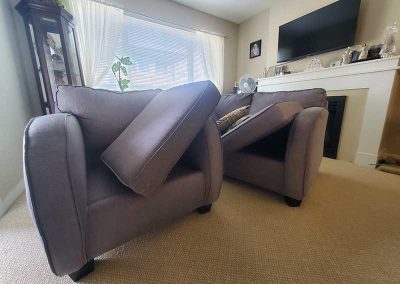
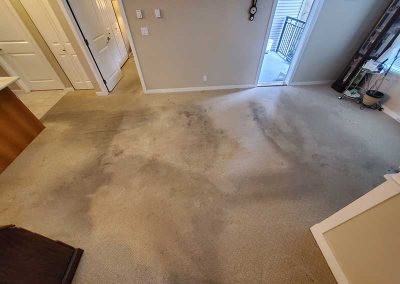
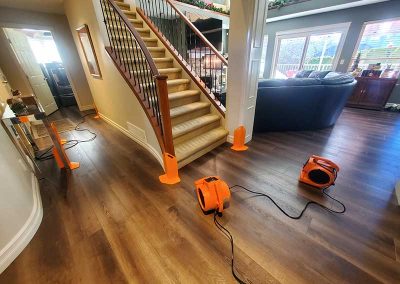
Real Results
We take tremendous pride in the results we deliver for our clients. The photos speak for themselves.
Why Choose Us
Business License, Criminal Record Check, Trained Technicians, Professional Tools, Professional Solutions, Better Results and Quality, Transparent Pricing and no Hidden Fees, Health Benefits, Professional Operation of Tools, Mobi Cleaning Difference, Flexible Scheduling, On-Time, Maintenance, Great Competitive Value, Customer Satisfaction Focused, IICRC Trained, Green Cleaning, Reputation, Property Protection, Fast Drying Carpets, 100 Percent Satisfaction Guarantee, Experience, Professional Processes, First-Class Service, Fast Response Time, Free Consultation and Estimates, Competitive Pricing and Dedicated Account Manager