









Best Ways to Clean Mud & Dirt From Carpet (Pro Tips for Stain Removal)
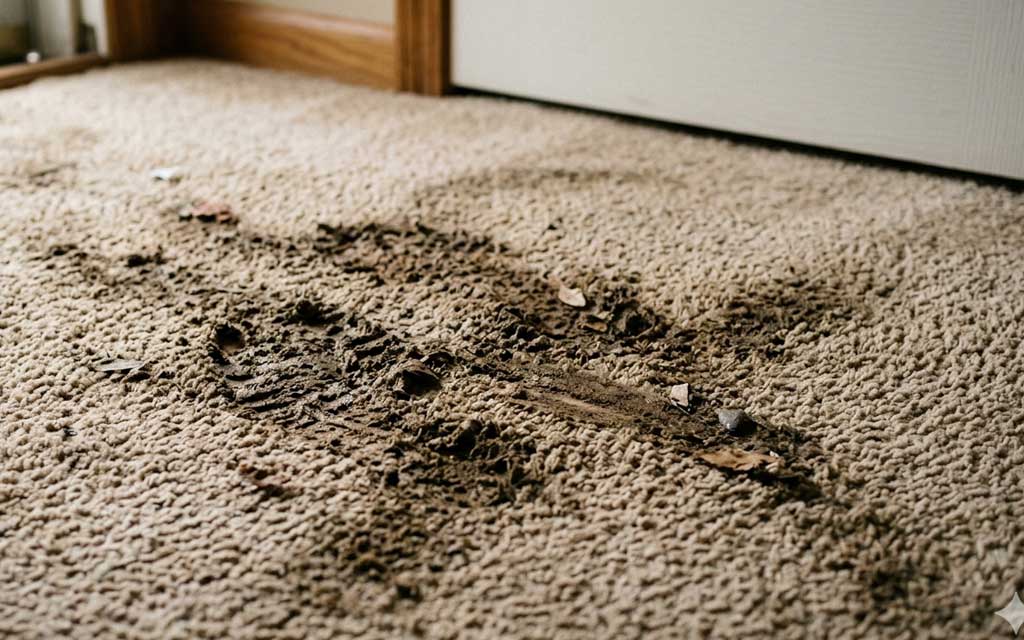
Flooring discoloration is an inevitable challenge for property owners. Whether you need to remediate dark muddy footprints, extract heavy soil tracked in from rugged work boots, or eliminate abrasive atmospheric dust settling into your area rugs, managing heavy sediment accumulation is a constant reality in British Columbia households.
Fortunately, restoring your textile flooring to a pristine, uniform state is entirely achievable with the right tactical approach.
As experienced carpet restoration specialists, we understand the precise physical mechanics required to release bound soil particles, eradicate stubborn pigmentation, and implement defensive barriers to safeguard your textile fibers against future tracking. Deploy this comprehensive, step-by-step DIY restoration guide to master high-efficiency mud extraction and spot sanitation.
Step 1: Allow Wet Mud to Cure Completely (The Golden Rule)
When confronted with fresh, wet BC mud, your immediate reflex might be to vigorously scrub the affected pile. Avoid this impulse under all circumstances. Wet mud possesses a low viscosity that smears effortlessly across yarn twists, driving raw sediments deep into the primary backing grid and compounding the extraction difficulty. Instead, adhere to these containment protocols:
- Press a dry, clean paper towel vertically onto the spill to absorb excess moisture—maintain zero horizontal friction.
- Allow the remaining wet mud structure to air-dry completely into a brittle, crusty shell.
- Curing transforms the liquid mud into loose crystalline particulates that easily fracture away from the pile. (If you are addressing dry, sandy soil deposits, transition directly to the mechanical vacuuming stage).
Step 2: Execute High-Suction Mechanical Vacuuming (Prioritize Slow Extraction)
Once the mud matrix is completely dehydrated, or if you are conducting routine maintenance on high-traffic transit lanes, it is time to deploy your mechanical vacuum cleaner. Achieving maximum dry particulate extraction relies entirely on a slow, deliberate operational pace.
- Utilize a high-efficiency vacuum cleaner configured with a motorized, rotating beater brush roll to physically agitate and dislodge deep-set grit.
- Navigate the vacuum head in overlapping cross-patterns (north-to-south and east-to-west) to release trapped particles from all fiber angles.
- Maintain a deliberate pace and execute at least 16 slow, methodical passes across the targeted zone to maximize dry soil recovery.
How to Clean Carpets Without a Vacuum Cleaner?
If you lack immediate access to a high-suction vacuum unit, utilize these alternative physical extraction methods:
- Agitate the fibers using a rigid, stiff-bristled utility brush to fracture the dry crust, then gather the debris using a fine-bristle hand broom and dustpan.
- Loop high-tack duct tape securely around your hand with the adhesive side facing outward, tapping the yarn firmly to lift fine particles.
- Roll a high-tack adhesive lint roller across the target surface to capture superficial sediment layers.
Step 3: Formulate a Calibrated Chemical Spotting Solution
The chemical composition of your cleaning agent must precisely align with your specific carpet backing and yarn construction:
- Synthetic Textiles (Nylon, Polyester, Olefin): Blend 1 teaspoon of premium grease-cutting liquid dish detergent into 1 cup of warm water.
- Natural Protein Fibers (Wool Rugs or Delicate Weaves): Create a mild acidic rinse using a 1:2 ratio of white distilled vinegar to warm water.
- Persistent Dark Sediment Pigmentation (Strictly for Light-Colored Synthetics): Utilize a stabilized 3% hydrogen peroxide solution (requires mandatory safety spot testing).
- Complex Organic Matrices (Muddy Paws, Food Compounds, Pet Spills): Deploy a dedicated, bio-enzymatic pet stain digester to break down organic proteins.
- Professional Protocol: Always apply a microscopic droplet of your custom spotting formulation inside a closet or beneath heavy cabinetry first to verify that it will not destabilize the factory dyes.
Step 4: Apply Vertical Blotting Pressures (The Core Technical Method)
With your target chemical solution staged, execute these precise spot-cleaning mechanics to lift the remaining discoloration safely:
- Moisten—do not saturate—a clean, white microfiber towel with your solution and press it vertically into the mud stain with controlled force.
- Work your blotting pattern methodically from the outer perimeter of the spot toward the center to contain the pigment boundaries.
- Continuously rotate your microfiber cloth to a fresh, unsoiled section as the dark mud residue transfers onto the fabric.
- Replicate this tapping sequence progressively until the underlying fibers display uniform, clean coloration.
What is the Best Carpet Stain Remover?
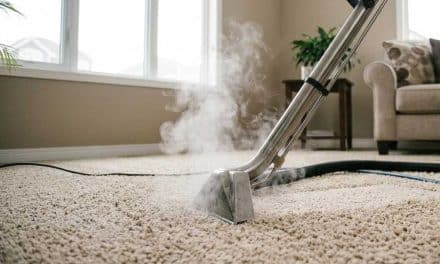
Formulations containing premium liquid dish detergent, distilled white vinegar, or targeted bio-enzymatic digesters excel at breaking down resilient soil bonds within your flooring. For deeply embedded, structural discoloration, utilizing a professional truck-mounted hot water extraction system remains the absolute most effective option available.
How to Remove Dark Marks From Carpet?
When stubborn, hyper-pigmented blemishes refuse to shift using standard methods, execute these advanced spot-cleaning alternatives:
- Spread a uniform layer of pure baking soda across the discoloration, allowing it to dwell for 15 minutes before executing a high-suction vacuum extraction.
- Apply a minimal droplet of stabilized 3% hydrogen peroxide directly onto resilient spots—restrict this protocol exclusively to light, non-dyed synthetic textiles.
- If a dark ring persistently resurfaces in the exact same location, the contaminant has migrated down into the underpad, signaling a critical need for professional sub-surface remediation.
Step 5: Rinse & Dry Properly (Preventing Musty Mildew Odours)
Allowing active surfactant residues to remain trapped within your yarn twists forms a sticky matrix that accelerates re-soiling and generates sour, damp scents. Given British Columbia’s humid, marine-influenced coastal climate, enforcing an aggressive drying timeline is vital to short-circuit subsurface mold colonization.
To properly neutralize and flush the treated zone:
- Blot the chemically treated fibers with a clean washcloth dampened strictly with fresh, plain water to remove leftover detergent.
- Compress a thick, dry bath towel firmly over the damp patch using heavy vertical pressure to extract all localized moisture.
- Allow the carpet pile to air-dry completely, utilizing high-velocity floor fans or residential dehumidifiers to accelerate evaporation rates.
Does Baking Soda Clean Dirty Carpets?
Absolutely. Sodium bicarbonate serves as an exceptional, non-toxic desiccant and natural deodorizer that lifts loose particulate surface grit while chemically neutralizing acidic pet odors. Deploy it using this method:
- Dust a generous, even coating of dry baking soda over the affected high-traffic carpet zones.
- Allow the powder to rest undisturbed for 15 to 30 minutes, or expand the dwell time overnight to address deep-set, structural malodors.
- Extract the trapped particles thoroughly by navigating your vacuum head across the area using slow, overlapping strokes.
While sodium bicarbonate is ideal for routine environmental freshening, it lacks the chemical surfactants required to dissolve heavy pigment stains; complex discoloration demands specialized fluid solutions or professional hot water extraction.
How to Keep Carpets Clean From Mud & Dirt
The single most efficient strategy for protecting your flooring investment is intercepting outdoor sediment before it breaches your perimeter:
- Install industrial-grade scraper mats at every entry threshold, flanking both the exterior and interior sides of your doorways.
- Institute a strict, zero-exceptions household policy regarding shoe removal for all family members and incoming guests.
- Station a clean, highly absorbent microfiber towel directly at your primary entryway to immediately wipe down muddy canine paws following rainy trail walks.
- Have a certified technician apply a premium fluorochemical carpet protector to seal the fibers against water- and oil-based fluid saturation.
- Vacuum your high-density transit corridors, entryways, and main hallways at least twice every week to remove abrasive dry sand.
When to Hire a Professional Carpet Cleaner
There are instances where, despite meticulous scrubbing and multiple DIY attempts, historical mud spots and deeply ground-in traffic patterns simply will not release. When home remedies reach their chemical limit, it is time to mobilize local technical specialists.
The team at mobicleaning.ca utilizes commercial-grade, truck-mounted hot water extraction units to deeply flush out trapped soils, pet dander, and microscopic allergens—restoring pristine indoor air quality and returning your carpet pile to a like-new state. If you have exhausted every household trick and the dark shadow remains, let the professionals handle it. Connect with the mobicleaning.ca dispatch team today to receive your complimentary phone estimate.
Final Summary on Floor Care
Soggy Pacific Northwest winter mud and rich backyard dirt do not have to permanently compromise your interior aesthetic values. By deploying calibrated carpet washing mechanics—and maintaining steady patience—you can eradicate deep stains, preserve pile texture, and safeguard your structural flooring investments.
When residential upright vacuums and store-bought aerosol sprays fail to deliver results, mobicleaning.ca stands ready to assist British Columbia homeowners with eco-safe, heavy-duty deep cleaning solutions. Searching for a licensed, highly rated rug care specialist? Contact mobicleaning.ca right now to secure your free, transparent carpet cleaning quote!
Establishing a dedicated mudroom or a secure shoe-transition station at your main architectural entrance is an exceptional way to block wet exterior messes from migrating into your living spaces. Use this staging ground to easily swap out saturated rain boots and thoroughly dry off pets before allowing them onto your clean area rugs. Expand your cleaning knowledge by exploring our other home care blog publications for professional strategies covering seasonal household chores, deep sanitizing tile grout, and keeping your BC property pristine throughout the year.
Call Us
778.801.8595
SEND US AN EMAIL
book@mobicleaning.ca
Text Us
778.801.8595
Contact Us For Cleaning Services
Real Results
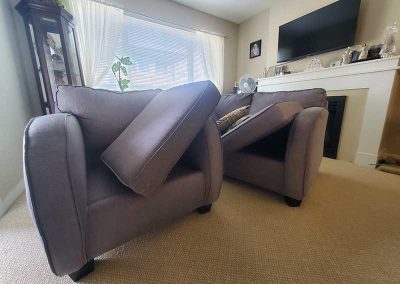
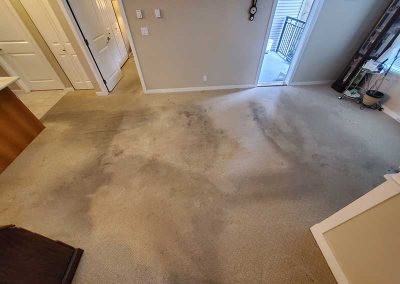
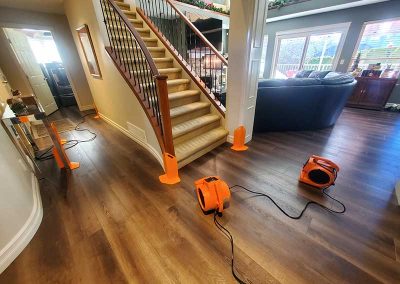
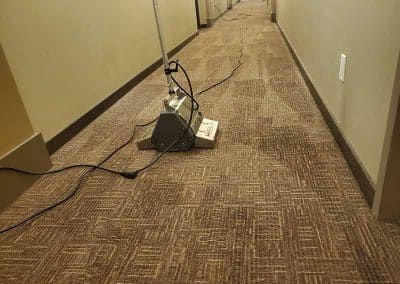
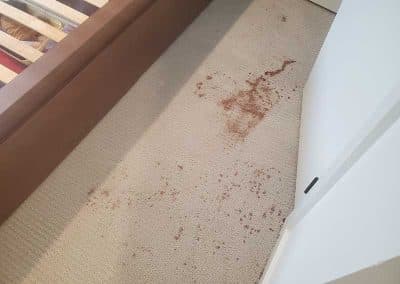
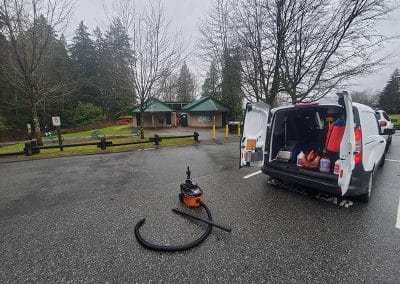
We take tremendous pride in the results we deliver for our clients. The photos speak for themselves.
Why Choose Us
Business License, Criminal Record Check, Trained Technicians, Professional Tools, Professional Solutions, Better Results and Quality, Transparent Pricing and no Hidden Fees, Health Benefits, Professional Operation of Tools, Mobi Cleaning Difference, Flexible Scheduling, On-Time, Maintenance, Great Competitive Value, Customer Satisfaction Focused, IICRC Trained, Green Cleaning, Reputation, Property Protection, Fast Drying Carpets, 100 Percent Satisfaction Guarantee, Experience, Professional Processes, First-Class Service, Fast Response Time, Free Consultation and Estimates, Competitive Pricing and Dedicated Account Manager