


















The Strategic Autumn Weatherization Framework Pre-Winter Property Checklist for BC Homeowners
As the autumn transition begins, it is imperative to prepare your residential envelope for freezing winter conditions. Executing a rigorous fall home maintenance checklist guarantees your family remains warm, safe, and secure through the harshest seasonal stretches. At Mobi Cleaning Canada, we have spent years helping property owners throughout British Columbia fortify and protect their real estate assets. We know that resolving a few essential preventative chores now immunizes your property against thousands of dollars in emergency breakdown repairs, surging utility overhead, and unnecessary stress later.
This systematic, easy-to-follow guide outlines every necessary action to winterize your house from top to bottom before the classic West Coast weather fronts establish a foothold.
Exterior Autumn Property Maintenance Blueprint
- Gutter Systems Decontamination and Downspout Realignment
Routine gutter cleaning stands as the absolute highest priority task for mitigating winter water intrusion and structural rot. When falling autumn leaves, evergreen needles, and heavy organic silt clog your drainage channels, torrential BC rainwater cannot channel safely away from your roofline. This restriction forces water to breach the fascia boards, overflow the gutters, pool directly against your foundation wall, and seep straight into your basement layout or crawl space.
- Action Protocol: Safely extract all compacted leaves, twigs, and muck from the horizontal gutters and vertical downspouts. Flush the entire channel matrix with a garden hose to verify that water discharges freely through the lower outlets. Inspect closely for sagging hanger brackets, localized rust blistering, or splitting joints at the seams.
- Professional Insight: Consider investing in high-quality leaf guards or micro-mesh covers to permanently exclude organic debris and minimize your annual exterior home maintenance workload.
- Roof Assembly Audits and Shingle Remediation
Your roof assembly bears the heavy burden of Pacific Northwest windstorms, torrential winter rains, and dense alpine snow loads. Executing a comprehensive roof health check in the fall allows you to identify and fix minor defects before they transform into an expensive interior ceiling leak.
- Action Protocol: Utilize binoculars or a secured ladder to inspect the roof plane for missing, cracked, fractured, or curling asphalt shingles. Closely analyze the metal flashing wrapped around your chimney base, ventilation stacks, and skylight frames for any signs of seal degradation. If you identify structural compromises, contract a certified local roofing technician to rectify the issues prior to the first deep freeze.
- Professional Insight: Clear away any accumulated piles of wet leaves, pine needles, or fallen branches from your roof valleys to prevent standing water traps, premature shingle rot, and fungal colonization.
- Exterior Paint Restorations and Waterproof Caulking
Exterior paint coats and structural caulking behave as a vital protective shield against relentless seasonal rainfall, ambient dampness, and morning frost. When paint films peel or silicone seals crack, atmospheric moisture forces its way inside your home’s wood siding or trim, sparking hidden, costly wood rot.
- Action Protocol: Conduct a thorough walk-around inspection of your property’s exterior envelope, evaluating the paint integrity on your siding planks, fascia boards, and window trims. Scrape away failing, flaking paint, prime and touch up the bare spots, and apply a fresh bead of caulk around all window and door perimeters.
- Professional Insight: Always select premium, weather-resistant exterior paint formulas and waterproof silicone or polyurethane caulk engineered explicitly to withstand cold, high-humidity climates.
- Autumn Landscape Stabilization and Garden Preparation
Executing strategic yard work throughout October and November insulates your landscaping against frost bite and reduces your cleanup workload once spring arrives in British Columbia.
- Action Protocol: Rake and extract dead leaf blankets so they do not suffocate your lawn turf, shear back dead perennials, and prune tree branches hanging too close to your roofline or utility lines. Wrap sensitive shrubs or young, fragile trees in breathable burlap sacks to shield them from freezing temperatures.
- Professional Insight: Instead of disposing of your fallen autumn leaves, convert them into a backyard compost bin to generate free, nutrient-dense organic soil for your garden beds next spring.
- Cold-Weather Pest Exclusion: Sealing Rodent Entry Vectors
As temperatures plummet across BC, opportunistic pests like mice, rats, and spiders actively seek warm structural entry points to nest. Identifying and sealing minor gaps around your property line keeps unwanted wildlife out of your living spaces.
- Action Protocol: Inspect your concrete foundation, siding seams, and utility pipe penetrations for any small holes or structural fissures. Mice can compress their bodies to fit through gaps as tiny as a dime! Pack these exposed openings tightly with heavy-duty stainless steel wool, then seal over them with a bead of exterior-grade caulk.
- Professional Insight: Examine your attic ventilation screens, crawl space access hatches, and basement vents to confirm that the protective wire mesh covers are completely intact, free of rust holes, and securely anchored.
Interior Autumn Property Maintenance Blueprint
- Eradicate Energy Drafts Around Windows and Entry Doors
Failing window seals and uninsulated entry doors stand as prime catalysts for spiking heating costs during chilly British Columbia winters. Sealing these hidden thermal breaches locks conditioned warmth inside your rooms while easing the workload on your primary heating infrastructure.
- Action Protocol: Choose a breezy autumn day to audit the perimeters of window frames and entry thresholds for air leaks. This is easily evaluated by passing a lit candle or an incense stick near structural joints—if the smoke path drifts or the flame flickers, you have an active draft. Apply fresh compression weatherstripping or a bead of high-grade interior silicone to seal the gaps.
- Professional Insight: Hang dense thermal drapery or install clear window insulation shrink-film to block incoming cold drafts, immediately lowering your seasonal BC Hydro or FortisBC utility overhead.
- Upgrade Furnace Filters and Schedule Pre-Winter Heating Diagnostics
Your central furnace unit bears an immense mechanical burden throughout the cold season. Committing to routine HVAC upkeep keeps your hardware running at peak operational efficiency, preserves pure indoor air quality, and immunizes your family against sudden, stressful winter breakdowns.
- Action Protocol: Extract your soiled furnace air filter and slide in a clean, high-efficiency replacement immediately. Following this, schedule a comprehensive checkup with a certified local HVAC technician to verify that your central heating configuration is safe and fully calibrated to run.
- Professional Insight: Swap out your interior furnace filters every 90 days across the winter stretch to permanently exclude circulating micro-dust from your breathing air and optimize monthly energy consumption.
- Chimney Flue Remediation and Fireplace Assembly Audits
Prior to igniting the inaugural wood fire of the winter season, you must verify with absolute certainty that your fireplace box and chimney masonry are safe for operation.
- Action Protocol: Hire a certified local chimney sweep to extract toxic soot accumulations and volatile creosote scaling from the interior lining of your chimney flue. Extensively inspect the fireplace brickwork, firebox joints, and throat damper to ensure mechanisms seal and actuate smoothly.
- Professional Insight: Mount a heavy-duty, stainless steel chimney cap over the external flue opening to exclude heavy seasonal rain, snowfall, nesting birds, and rodents during the winter months.
- Recalibrate Ceiling Fan Direction for Winter Heat Distribution
Ceiling fans serve a highly strategic structural purpose well beyond summer cooling cycles. Reversing their rotational trajectory during the fall months helps distribute rising thermal energy evenly throughout your primary living spaces.
- Action Protocol: Locate the small directional toggle switch mounted on the central motor housing of your ceiling fan and flip it. This adjusts the blade rotation to a clockwise direction, generating a gentle updraft that forces rising warm air back down into your living zones. Maintain the fan on its lowest velocity setting.
- Professional Insight: Executing this quick electrical adjustment makes room layouts feel significantly warmer completely hands-free, preventing you from having to crank up the primary thermostat.
- Validate Smoke Alarms and Carbon Monoxide Safety Detectors
Residential structural fires and toxic carbon monoxide exposure hazards surge drastically during the winter months due to the continuous operation of furnaces, space heaters, and wood fireplaces. Systematically testing your early-warning alarms saves lives.
- Action Protocol: Walk through your entire property footprint and press the manual test button on every smoke alarm and carbon monoxide detector. Install fresh backup batteries across all units and wipe away any airborne dust clusters blocking the delicate sensor grilles.
- Professional Insight: Audit the manufacture stamp on the rear chassis of every detector. If a unit has surpassed 10 years from its production date, the internal sensors are expired and the hardware must be replaced with brand-new safety units.
- Comprehensive Clothes Dryer Vent Line Extraction
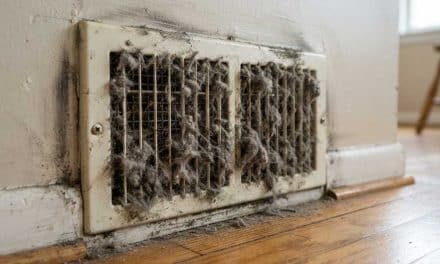
Dense lint accumulation inside your clothes dryer exhaust ductwork chokes baseline airflow, drives up appliance energy waste, and serves as a leading driver of residential structure fires.
- Action Protocol: Carefully displace your dryer away from its wall alcove, disconnect the power supply, and unclamp the flexible transition duct. Use a high-suction vacuum tool to extract all trapped fabric lint from the machine’s exhaust port and deep within the internal wall ducting.
- Professional Insight: Step outside your property and examine the exterior dryer vent hood. Verify that the weighted louver flap swings open freely and is entirely unobstructed by lint accumulation, autumn leaves, or nesting material.
Winter Safety and Energy-Saving Frameworks
- Winterize Exterior Water Spigots to Insulate Plumbing Lines
When residual water freezes inside your external plumbing infrastructure, the liquid expands with immense hydraulic force, triggering burst pipes, massive structural flooding, and catastrophic property damage.
- Action Protocol: Disconnect all garden hoses and splitters from your outdoor spigots prior to the first freeze. Locate and close the interior shutoff isolation valves that feed your outdoor lines, then open the external taps to drain any remaining water columns completely. Wrap exposed indoor water lines running through unheated crawl spaces or basements in foam pipe insulation sleeves.
- Professional Insight: If you travel or vacate your property during the winter holidays, never deactivate your heating grid completely. Maintain your thermostat at a minimum baseline of 13°C (55°F) to guarantee your internal plumbing matrix remains safely above freezing.
- Evaluate Attic Thermal Insulation Volumes
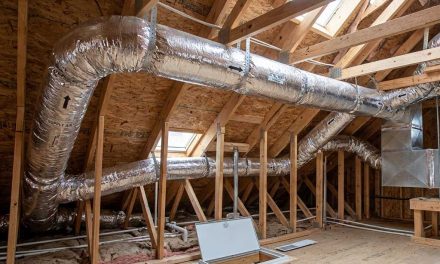
Sufficient attic insulation stops rising warm air from escaping through your roof deck, locking a cozy climate inside your living spaces while minimizing monthly energy costs.
- Action Protocol: Gain entry to your attic space and measure the depth of your resting insulation materials. If the insulation depth sits level with or falls below your wooden ceiling joists, your home is under-insulated. Blowing in a fresh layer of fiberglass or loose-fill cellulose insulation before winter delivers immediate energy efficiency gains.
- Professional Insight: Encase your domestic hot water tank in a fitted thermal insulation blanket and wrap your copper distribution pipes to minimize standby heat loss, saving extra money on your monthly utility bills.
Secure Your Winter Property Protection Today!
Executing this autumn weatherization checklist stands as the absolute best strategy to safeguard your real estate asset and keep utility overhead low all winter long. If your schedule leaves you short on time to handle these intensive maintenance and deep-cleaning protocols yourself, let our professional technicians step in.
Whether you require a hand with meticulous deep home detailing, professional streak-free window washing, or hot water extraction carpet and upholstery cleaning to prepare your property for incoming holiday guests, Mobi Cleaning Canada provides top-tier residential property services across British Columbia.
Reach out to the team at mobicleaning.ca today to secure your transparent, free home cleaning estimate!
Call Us
778.801.8595
SEND US AN EMAIL
book@mobicleaning.ca
Text Us
778.801.8595
Contact Us For Cleaning Services
Real Results
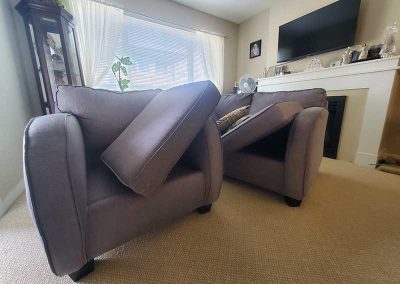
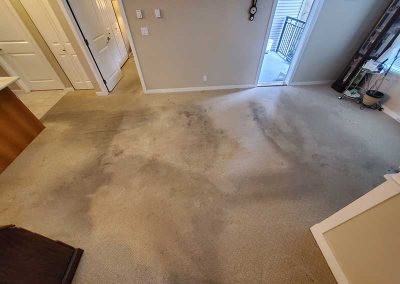
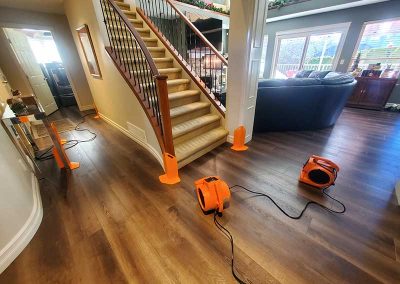
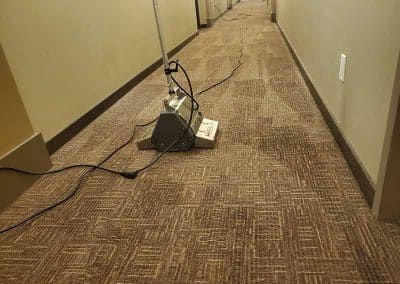
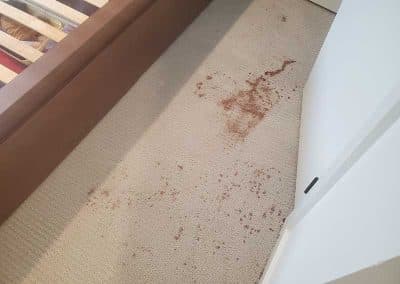
We take tremendous pride in the results we deliver for our clients. The photos speak for themselves.


Why Choose Us
Business License, Criminal Record Check, Trained Technicians, Professional Tools, Professional Solutions, Better Results and Quality, Transparent Pricing and no Hidden Fees, Health Benefits, Professional Operation of Tools, Mobi Cleaning Difference, Flexible Scheduling, On-Time, Maintenance, Great Competitive Value, Customer Satisfaction Focused, IICRC Trained, Green Cleaning, Reputation, Property Protection, Fast Drying Carpets, 100 Percent Satisfaction Guarantee, Experience, Professional Processes, First-Class Service, Fast Response Time, Free Consultation and Estimates, Competitive Pricing and Dedicated Account Manager