






How to Prep for Mold Remediation: Ultimate Guide
Tactical Room Prep, Containment Strategies, and Safety Protocols for Residential Abatement
If you are currently battling an aggressive toxic mold infestation in your home, laying the proper groundwork for an environmental abatement team is your essential next step. True residential mold remediation is a highly specialized environmental engineering discipline focused on eradicating hazardous fungal ecosystems while permanently restoring pristine indoor air quality (IAQ). This step-by-step property preparation checklist details the precise measures required to ready your space for a professional cleanup, guaranteeing a flawless, secure, and highly efficient operation anywhere in British Columbia. From safeguarding your personal assets and assessing underlying structural compromises to establishing strict containment containment mapping, these expert tips will ensure you are perfectly prepared for professional mold removal.
Demystifying the Professional Fungal Remediation Process
True, IICRC-standard professional mold remediation relies on a clinical series of isolation and extraction phases designed to eliminate active fungal structures down to the root while stopping future germination. This technical process goes vastly deeper than a superficial scrub with consumer bleach; it demands diagnosing the hidden moisture source, neutralizing airborne spore dispersion, physically removing contaminated drywall or timber, and thoroughly engineering the space back to a certified, healthy baseline.
Step-by-Step: Preparing Your BC Property for Mold Treatment
Readying a residential or commercial building for professional mold eradication involves several non-negotiable containment protocols:
- Map All Active Fungal Zones: Start by creating a comprehensive checklist of all visible and suspected areas showing active mold growth or water damage.
- Establish Immediate Isolation Barriers: It is critically important to seal off these impacted zones right away, stopping airborne spores from cross-contaminating pristine areas of your home during active disturbance.
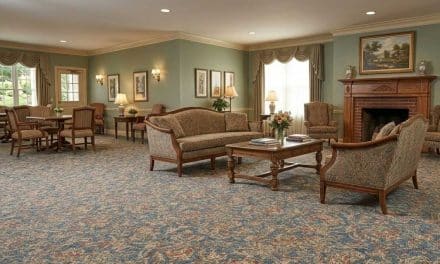
- Completely Clear Out the Affected Spaces: Empty the targeted rooms entirely—removing all loose furniture, accent rugs, wardrobe clothing, and daily personal belongings.
- Shield Possessions and Assist Technicians: This full evacuation creates an uninhibited workspace for abatement technicians to maneuver heavy machinery while protecting your expensive belongings from migrating spores or misted antimicrobials.
- Secure Possessions in a Verified Clean Zone: Carefully pack, seal, and store your cleared belongings inside a guaranteed moisture-free, mold-isolated part of the house.
- Relocate High-Value Items Off-Site: For heirloom antiques, sensitive electronics, or irreplaceable documents, consider moving them to an off-site, climate-controlled storage unit for the duration of the project.
- Clear a Direct Pathway for the Abatement Crew: Maintain a wide, completely unobstructed route from the exterior entry point directly to the contaminated containment zones.
- Optimize Logistics and Limit Cross-Contamination: Providing an open corridor allows technicians to safely transport bulky HEPA air scrubbers and prevents the tracking of microscopic particles into clean living spaces.
Should Residents Vacate the Premises During Active Remediation?
As a safety benchmark, it is strongly recommended that families and household pets entirely vacate the property while mold remediation is underway—particularly if anyone manages environmental allergies, respiratory asthma, or compromised immune systems. Consider these critical safety factors for relocating:
- Airborne Particle Surges: The structural demolition of moldy drywall and active remediation scrubbing will heavily agitate settled spore reservoirs, temporarily lowering indoor air quality and creating a spike in microscopic airborne debris.
- Maximizing Technician Efficiency: Vacating the building allows certified technicians to operate heavy negative air pressure systems at peak capacity without household disruptions or safety liabilities.
Timeline: When Is It Safe to Return Post-Remediation?
The exact window required to remain clear of your property depends entirely on the total square footage of the fungal outbreak and the specific structural areas under treatment. On average, standard displacement ranges from a few hours for isolated closet containment zones to several days for comprehensive basement overhauls or whole-home structural baking. Always defer to the strict clearance protocols, visual inspections, and post-remediation air quality testing (PRT) verification provided by your environmental specialist.
How to Properly Prepare a Targeted Room for Mold Removal
To successfully isolate and prepare an individual room for a professional mold extraction team, execute these rigorous steps:
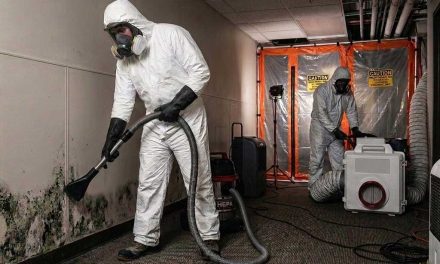
- Construct Heavy Poly Plastic Barriers: Seal off all doorways, windows, and architectural gaps leading out of the room using heavy 6-mil poly sheeting and industrial-grade containment tape.
- Isolate the Mechanical Ventilation Grid: Securely wrap and tape all supply registers and return air vents to prevent loose, migrating fungal spores from entering and contaminating your central HVAC ductwork system.
- Cover Fixed Structural Anchors: Remove every single item possible, and use protective plastic drops to tightly shroud any oversized, bulky furniture left behind to shield them from airborne dust and aggressive biocides.
To guarantee the maximum preservation of your packed belongings:
- Secure Ideal Climate Conditions: Store all packed boxes and furniture in a guaranteed dry, temperature-regulated, and completely mold-free atmosphere.
- Sanitize Possessions Before Storage: Thoroughly wipe down and disinfect non-porous items before moving them to storage, wrapping them in clean shrink-wrap to block drifting dust.
- Perform a Strict Sensory Inspection: Carefully audit every single item for hidden signs of mold growth or distinct musty odors.
- Decide Between Specialty Cleaning or Disposal: If soft, porous items are heavily contaminated with deep fungal roots, consider sending them to a specialized textile restoration professional or arrange for immediate, safe disposal in accordance with BC waste guidelines.
Post-Remediation Disposal & Preventing Secondary Fungal Outbreaks
Identifying Unsalvageable Building Materials and Managing Long-Term Moisture Dynamics
Household assets that are highly porous and severely infiltrated by deep fungal root networks—such as cardboard storage boxes, degraded carpets, open-cell foam underpads, and upholstered furniture pieces—must be discarded as hazardous waste. Once microscopic hyphae and roots intertwine deeply within these soft, fibrous matrices, it becomes physically impossible to completely extract the contamination.
What Is the Likelihood of Toxic Mold Returning Post-Abatement?
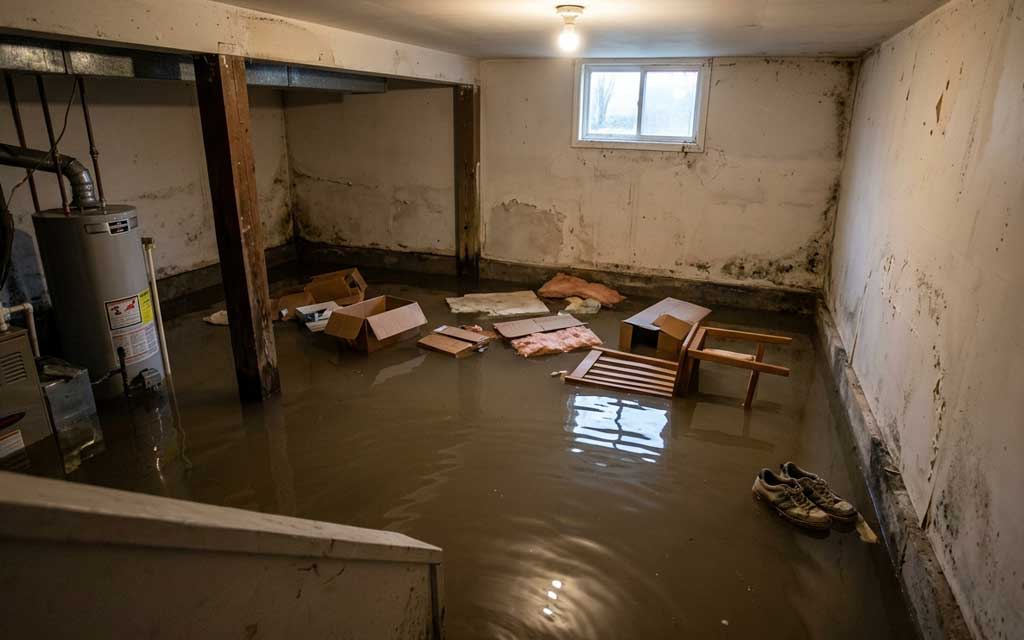
Fungi proliferate aggressively in microclimates characterized by elevated relative humidity and dampness; if the underlying plumbing failure, structural leak, or humidity spike is not completely resolved, mold will inevitably return. Pervasive catalysts for recurring microbial issues include structural roof failure, compromised pipe joints, window frame condensation, high ambient humidity, and basement foundation flooding. The mathematical probability of re-infestation is also heavily governed by the localized macroclimate, seasonal dew points, and regional weather patterns unique to your geographic area. Operating a property within a humid coastal ecosystem like the Lower Mainland or across Vancouver Island means your structural envelope is subjected to prolonged rainy seasons, demanding hyper-vigilant indoor climate monitoring, constant dehumidification, and robust preventative measures.
Partnering with BC Certified Environmental Professionals for Lasting Results
Acknowledging that fungal colonies will aggressively recolonize a structure if moisture dynamics are neglected highlights the non-negotiable importance of partnering with licensed remediation specialists. When collaborating with certified environmental remediation teams, ensure the following strict protocols are maintained:
- Selecting the Ideal Property Restoration Firm
Thoroughly audit and select a highly reputable, fully licensed environmental abatement company like Mobi Cleaning Canada that maintains a documented history of delivering permanent structural solutions. Always verify their active environmental certifications (such as IICRC credentials), evaluate local Tri-Cities and Metro Vancouver customer reviews, and request a detailed overview of their mechanical mold treatment methodologies.
- Executing a Multi-Point Environmental Diagnostics Assessment
Expect a comprehensive, multi-point environmental diagnostic audit of your property envelope before any containment barriers are constructed. True restoration experts do not simply rely on surface-level visual inspections; they deploy advanced FLIR thermal imaging cameras and digital pinless moisture meters to map hidden spore environments and locate trapped structural moisture reservoirs deep inside wall cavities.
- Engineering a Custom Structural Abatement Strategy
Every single microbial outbreak presents an entirely unique architectural puzzle based on your floor plan and building materials. Ensure your chosen restoration team delivers a highly granular, customized remediation blueprint engineered for your specific home layout, explicitly identifying the exact fungal genera present, the precise boundaries of the infestation, and all compromised construction substrates.
- Maintaining Transparent, Documented Project Communication
Preserve a completely open, transparent channel of communication with your designated remediation project manager. Do not hesitate to ask technical questions regarding the configuration of containment zones, the precise EPA- or Health Canada-approved biocides and green antimicrobials being misted, and any safety concerns you have regarding your family.
- Enforcing Strict Containment and Personal Safety Measures
Review the exact isolation engineering protocols the technician team will activate to protect the unaffected areas of your home from cross-contamination during active structural demolition. This layout must strictly include the establishment of negative air pressure zones, the deployment of industrial HEPA air scrubbers, and the continuous use of comprehensive Personal Protective Equipment (PPE) by all on-site personnel.
- Clarifying Project Milestones and Daily Structural Disruptions
Secure absolute clarity regarding the precise multi-day timeline required to complete the remediation process and how it will alter your family’s daily routine. Professional structural abatement schedules can span anywhere from a single afternoon for localized containment zones to several consecutive days for advanced structural failures, depending entirely on the severity of the wood rot and microbial damage.
- Mandating Post-Remediation Verification (PRV) and Air Sampling
Once the physical removal of the fungal biomass is completely finalized, a rigorous post-remediation verification clearance inspection must be performed to guarantee the structure is entirely clean. This phase should ideally incorporate independent, third-party laboratory air quality sampling to scientifically confirm that the indoor airborne spore count is completely safe before residents re-occupy the space.
- Securing Structural Warranties and Long-Term Post-Care
Inquire about formal structural warranties, mold-free guarantees, or workmanship coverage applied to their remediation services. A reliable, professional property restoration company will fully stand behind their engineering and offer complimentary follow-up moisture assessments to ensure the space remains bone-dry.
- Compiling Comprehensive Insurance and Disclosure Documentation
Request a detailed, fully compiled digital documentation package, including comprehensive photo logs tracking the before, during, and after phases of the remediation project. This official record is incredibly valuable for processing residential insurance claims, fulfilling mandatory real estate property disclosure statements (PDS), and protecting future property transactions.
Final Takeaways on Preparing Your Home for Microbial Cleanups
Taking the time to properly prepare your property for a mold abatement team is a mandatory initial step toward permanently reclaiming the purity of your indoor air. By strictly adhering to these professional preparation benchmarks, you guarantee a significantly safer, faster, and more cost-effective environmental cleanup. If you are ready to completely eradicate toxic mold ecosystems from your property, the certified restoration specialists at mobicleaning.ca are fully equipped to support you. Contact us today to book your expert mold remediation consultation and restore a fresh, healthy, and completely mold-free atmosphere to your home.
- Environmental Safety Disclaimer: Managing advanced fungal infestations involves direct contact with dangerous biohazards. If you suspect the presence of toxic black mold (Stachybotrys chartarum) or are experiencing acute respiratory distress, immediately evacuate the impacted zone and consult a medical professional or a licensed public health official.
Call Us
778.801.8595
SEND US AN EMAIL
book@mobicleaning.ca
Text Us
778.801.8595
Contact Us For Cleaning Services
Real Results
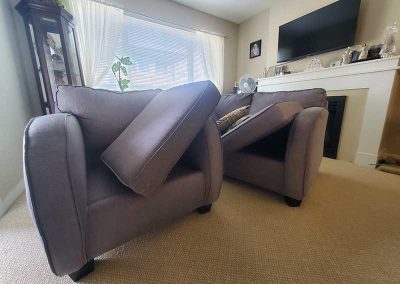
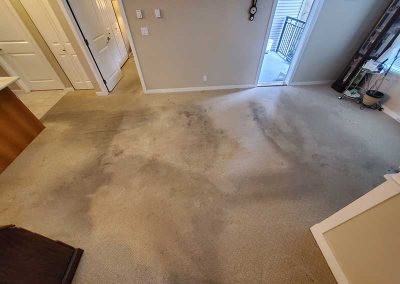
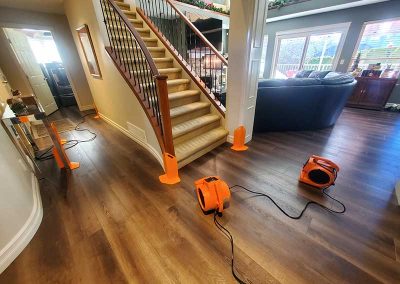
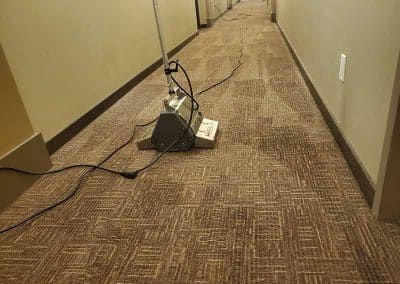
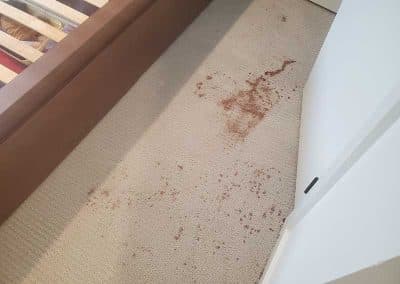
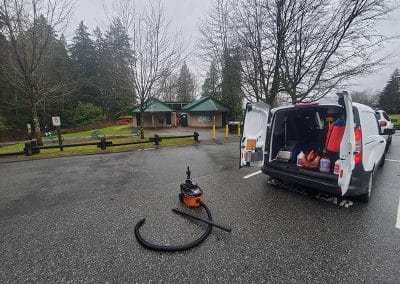
We take tremendous pride in the results we deliver for our clients. The photos speak for themselves.
Why Choose Us
Business License, Criminal Record Check, Trained Technicians, Professional Tools, Professional Solutions, Better Results and Quality, Transparent Pricing and no Hidden Fees, Health Benefits, Professional Operation of Tools, Mobi Cleaning Difference, Flexible Scheduling, On-Time, Maintenance, Great Competitive Value, Customer Satisfaction Focused, IICRC Trained, Green Cleaning, Reputation, Property Protection, Fast Drying Carpets, 100 Percent Satisfaction Guarantee, Experience, Professional Processes, First-Class Service, Fast Response Time, Free Consultation and Estimates, Competitive Pricing and Dedicated Account Manager