




How to Eradicate Damp, Musty Odours from Your British Columbia Home
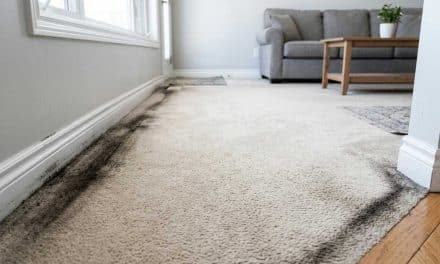
Nothing compromises the comfort of a home faster than a stubborn, mildew-like stench. It hangs heavily in the air, embeds itself deeply into porous textiles, and leaves your entire living space feeling uncomfortably humid and uninviting. Beyond creating an unpleasant atmosphere, a powerful, earthy smell serves as a critical warning sign of hidden plumbing leaks or toxic black mold. These represent serious property maintenance failures that jeopardize both your real estate investment and your family’s physical health.
Left unaddressed, indoor fungal growth structural weakens drywall and triggers advanced wood rot within wall cavities. This progressive decay destroys the structural integrity of your house, inevitably culminating in astronomical home restoration bills down the road. Aside from property damage, inhaling airborne mold spores introduces dangerous biotoxins into your respiratory tract. This exposure frequently triggers chronic sinus infections, severe seasonal allergies, asthma flare-ups, and unexplained skin rashes. Young children, elderly residents, and individuals with pre-existing respiratory conditions face the highest risk of health complications.
At Mobi Cleaning Canada, we are your local BC property maintenance and deep cleaning professionals specializing in advanced home odour removal, structural mold remediation, and indoor air quality services across the Lower Mainland. In this comprehensive walkthrough, we will show you precisely how to locate, neutralize, and prevent musty household odours for good. Read on to discover rapid home remedies, deep sanitization strategies, and professional moisture-control protocols—along with clear guidelines on when it is time to call in a certified local restoration firm.
Understanding the Root Causes of Domestic Mustiness
A sour, stagnant household odour is almost universally generated by active mold and mildew colonies. These resilient fungi multiply at an alarming rate inside dark, high-humidity, and poorly ventilated environments. As they digest organic building materials, they release airborne byproduct gases known as Microbial Volatile Organic Compounds (MVOCs), which produce that unmistakable, stale “old basement” stench.
The most frequent contributors to damp domestic odours include:
- Elevated indoor humidity levels fueled by wet, rainy British Columbia winter weather systems.
- Stagnant air circulation in utility zones or rooms lacking functional exhaust fans or open windows.
- Concealed plumbing defects inside wall cavities, ceiling voids, or tucked behind major household appliances.
- Inundated basements, unventilated crawl spaces, or poorly insulated attic structures.
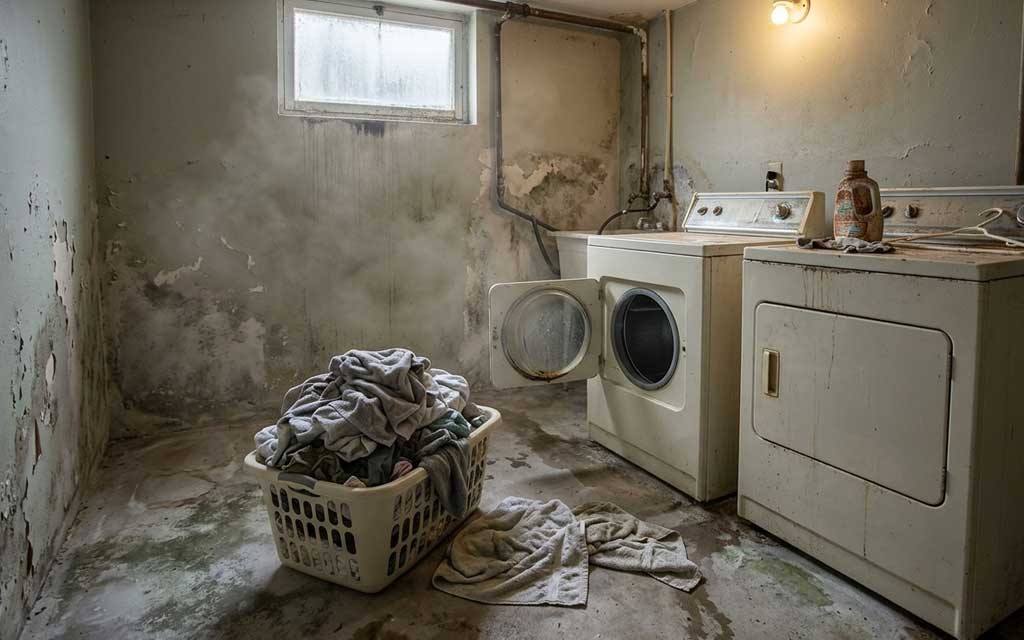
- Water-logged area rugs, damp furniture fabrics, or wet laundry forgotten inside the washing machine drum.
- Historical water damage that was never properly extracted or dried using commercial axial fans and dehumidifiers.
According to environmental health studies, the average resident spends roughly 90% of their life indoors. Alarmingly, indoor air pollution—including microscopic toxic mold spores—can measure 2 to 5 times more concentrated than outdoor air. This stark reality makes regular air testing and proactive indoor air quality management a paramount safety priority for local families.
Why Does My House Smell Earthy and Damp Immediately Following Rain?
If you notice a sharp spike in damp odours directly after a heavy Pacific Northwest downpour, structural building envelope breaches are almost certainly to blame. Debris-clogged exterior gutters can easily overflow, backing up rainwater directly into your exterior wall framing and soffits. Similarly, damaged roof tiles or compromised flashing allow rainwater to drip straight into attic insulation, saturating your ceiling drywall from above. Furthermore, poor yard grading around your concrete foundation walls can cause pooling rainwater to seep inward through micro-cracks in the basement floor.
Following a severe downpour anywhere in BC, you should conduct a thorough inspection of these vulnerable zones using a high-powered flashlight. Unless you permanently repair the exterior structural water leak, you will remain trapped in a frustrating cycle of recurring damp smells and progressive structural wood rot.
Rapid Remedies to Refresh Your Indoor Air Quickly
If you need to suppress foul odours immediately while you track down the underlying source of the moisture, deploy these fast household fixes:
- Establish Comprehensive Ventilation
- Throw your doors and windows wide open to stimulate a powerful, purging cross-breeze.
- Turn on all ceiling fixtures and floor fans to actively force stale, contaminant-laden air out of the building.
- Deploy Natural Odour Absorbers
- Distribute shallow bowls containing dry baking soda, pure white vinegar, or activated charcoal powder around the room overnight.
- Saturate sterile cotton balls with real vanilla extract or fresh lemon juice and place them discretely around the affected space.
- Operate a Portable Dehumidifier
- Position a mechanical dehumidifier directly inside damp basements, crawl spaces, or humid washrooms.
- Program the unit to drop the relative humidity below 50%, effectively halting active mold reproduction.
- Launder and Steam-Clean Pliable Materials
- Strip and machine-wash all window drapes, couch throw blankets, and decorative pillow cases.
- Deeply steam-clean upholstered furniture pieces or book a professional hot-water carpet extraction service if the damp stench remains trapped within the floor fibers.
While these temporary solutions help mask the odor and clear the air for a brief period, permanently eradicating the stench requires you to pinpoint and isolate the physical source of the dampness.
How to Pinpoint the Source of a Musty Odour
Locating the exact breeding ground of a damp smell is the single most important step in the remediation process. If the sour odour developed suddenly, inspect your laundry baskets, hampers, and linen closets first. Improperly dried bath towels and forgotten laundry loads are incredibly common culprits. Before assuming you have a broken pipe inside your drywall, perform a detailed check of your clothing and fabrics. If the stench is not coming from wet textiles, it is time to audit the primary household mold breeding grounds:
Bathrooms
Household mold thrives in warm, humid spaces, and bathrooms experience extreme humidity spikes from daily hot showers and baths. Because of this constant moisture, you must monitor your bathroom walls and ceilings closely. Look for hidden mold growth inside tile grout lines, on plastic shower curtains, and around window sills. Check for sludge buildup inside sink drains, shower drains, behind the toilet tank, and under bath mats.
Attics
Because heat rises, attics are typically the hottest, most humid zones in a home. If your roof is leaking, the attic insulation and ceiling joists will be the very first areas to rot. Attics are framed with exposed raw wood, which serves as a perfect food source for wood-decay fungi.
Basements and Crawl Spaces
Basements naturally deal with ground moisture and are highly prone to water damage or flooding. They are the number one source of black mold because they stay dark, cool, and contain exposed framing wood. Most importantly, a musty basement smell is almost always caused by terrible ventilation. When air can’t circulate freely, it turns stagnant, spikes the humidity, and triggers rapid mold growth.
Smelling a persistent, damp odour in your home that you just can’t track down? Stubborn household odours locked deep within floors and drywall spaces often require professional sub-surface moisture meters and commercial-grade thermal imaging cameras to locate safely. Save your home from wood rot and protect your family’s health by booking an inspection. Contact Mobi Cleaning Canada today for expert mold odour remediation, carpet deep cleaning, and property maintenance services across Coquitlam, Port Coquitlam, and the Lower Mainland!
How to Clean and Remove Fungal Growth Safely
The moment you detect visible fungal colonies inside your home, neutralizing them using the proper safety protocols is paramount. National environmental health standards advise property owners to enlist a certified professional mold remediation firm if the active contamination stretches across an area larger than 10 square feet.
For minor, localized patches of surface mildew, you can implement this secure DIY mold eradication process:
- Equip Yourself with Proper Personal Protective Gear
- Put on durable rubber gloves, sealed eye protection goggles, and an approved N95 respirator mask.
- Unlatch all adjacent windows and activate localized fans to establish excellent cross-ventilation while you scrub.
- Perform an Initial Surface Scrub
- Blend a minimal amount of liquid dish soap into a pail filled with warm tap water.
- Cleanse the contaminated surface thoroughly utilizing a heavy-duty cleaning sponge or stiff scrub brush.
- Hand-wipe the entire wet zone dry using clean microfiber towels.
- Disinfect with a Target Fungal-Killing Formula
- Combine ¾ cup of standard household chlorine bleach with 1 gallon of clear water.
- Mist or wipe this diluted bleach mixture straight onto the discolored material and let the chemical work for 5 minutes.
- Flush the structural surface with clean, warm water and dry it out completely.
- Implement Forced Air-Drying Protocols
- Position high-velocity floor fans, commercial air movers, or a mechanical dehumidifier directly adjacent to the structural material.
- Guarantee that absolutely no lingering moisture remains trapped beneath the surface layer.
Mobi Cleaning Canada Expert Insight: Fungal spores are completely incapable of multiplying without a consistent moisture source. Managing your indoor relative humidity levels is just as vital as physically scrubbing away the visual discoloration. If you allow the ambient indoor air to remain damp, the sour, musty odour will return to your living space within days.
Commercial Fungal Sprays vs. Natural Household Remedies
When determining the best way to destroy active mold inside your property, you can either source a specialized retail chemical spray or formulate a natural DIY cleaning solution. Selecting the ideal path hinges heavily on the total scale of the patch and the porosity of the underlying material.
Retail mold and mildew treatments are highly concentrated formulations designed to deliver incredibly rapid results. They are specifically engineered to penetrate non-porous surfaces like tiled bathroom grout lines or outdoor residential concrete. However, because they rely on aggressive industrial compounds, they emit strong volatile organic fumes. Inhaling these harsh chemical vapors can severely irritate your lungs, eyes, and respiratory passages.
Conversely, homemade fungal cleaners present a highly economical option. You can assemble them instantly utilizing standard household staples like white vinegar, dry baking soda, or basic hydrogen peroxide. Keep in mind, however, that natural alternatives are structurally milder and typically demand multiple successive rounds of manual scrubbing to thoroughly disintegrate deep, microscopic root structures.
To settle on the most effective strategy, carefully assess the exact material that has been compromised by the mold. Take the time to research whether a heavy-duty commercial spray or a non-toxic vinegar blend is safer for that specific building material.
How to Banish Damp, Stale Odours from Your Subterranean Spaces
Lower levels are the most notorious breeding grounds for a heavy, subterranean stench. Use this strategic approach to remediate your below-grade rooms:
- Operate a high-capacity basement dehumidifier to consistently preserve indoor relative humidity metrics safely below the 50% threshold.
- Seal structural basement foundation fractures to prevent exterior groundwater from weeping through porous concrete masonry walls.
- Install or routinely service a mechanical sump pump to effectively manage torrential West Coast rainstorms and rising water tables.
- Transition your seasonal household items into airtight plastic storage totes rather than relying on moisture-absorbent cardboard boxes.
- Arrange for professional hot-water extraction carpet cleaning or upholstery sanitization if your home’s fabrics have absorbed an earthy mildew odour.
If persistent, sour smells remain entrenched after executing these protocols, you likely have hidden black mold colonies colonizing your internal drywall cavity or fiberglass home insulation, requiring targeted professional microbial extraction.
Home remedies for Mildew Odour That Actually Work
Many British Columbia property owners look for eco-friendly, natural strategies to neutralize a musty house smell before resorting to aggressive commercial chemical formulations. These common kitchen staples are remarkably potent at breaking down foul odours:
- Baking soda: This accessible household powder actively binds to and absorbs intense volatile odours from the surrounding indoor air and soft furnishings. Layer it generously over your area rugs and wall-to-wall carpets prior to vacuuming.
- White vinegar: The natural acetic acid profile safely dismantles stubborn scent molecules suspended in the air or sitting on hard surfaces. Station open bowls of vinegar in the room overnight or utilize a diluted blend to wipe down your baseboards and walls.
- Activated charcoal: These ultra-porous carbon bags act as an exceptional desiccant, drawing in excess moisture while trapping floating, foul-smelling molecules.
- Essential oils: Concentrated organic tea tree oil and eucalyptus extracts function as natural fungal inhibitors. Diffuse a few drops of these oils into the space using an ultrasonic air diffuser.
- Air-purifying foliage: Introducing live snake plants, peace lilies, or pothos varieties into your living space actively upgrades your indoor air quality while naturally mitigating stagnant air pockets.
Optimizing Home Ventilation for Cleaner, Fresher Air
Stagnant interior air directly feeds toxic fungal propagation, positioning fresh airflow as your primary shield against a damp residential stench. Maintaining an advanced building ventilation system decreases relative humidity, cycles stale indoor air, and prevents drifting microscopic mold spores from settling onto your floor coverings.
The Rewards of Unhindered Airflow
A highly ventilated residential property guarantees a safer, cleaner breathing environment for your family. Considering the average Canadian spends approximately 90% of their day inside, verifying that your home ventilation mechanisms function flawlessly must be a top priority. Microscopic allergens, environmental pollutants, everyday house dust, fungal spores, and other irritating particles continuously enter our living spaces, fouling the air we breathe. A fine-tuned ventilation system keeps air moving continuously so pollutants never stall inside your rooms, pushing them safely out of the house instead.
Beyond securing a healthier domestic layout, unrestricted airflow that moves freely without blockages helps slash your monthly utility expenditures. When a mechanical ventilation system is restricted by thick dust and accumulated debris, the internal fans are forced to exert twice the energy to cycle the air. Neglecting this dirt accumulation over time results in inflated BC Hydro statements and can spark premature, expensive system breakdowns down the road.
Simple Strategies for Enhanced Air Circulation
- Always run your bathroom extraction fans and kitchen range hoods during and immediately following any cooking or showering routines.
- Engage your ceiling fixtures to maintain a constant, gentle motion throughout your indoor air layers.
- Crack open your windows slightly to establish dynamic cross-ventilation whenever the local outdoor weather permits.
- Invest in a premium, whole-home high-efficiency air purifier configuration or a dedicated HEPA filtration system.
- Secure a professional air duct and furnace cleaning service once every 2 to 3 years.
Our professional mechanical duct detailing removes impacted dust fields, hidden fungal spores, and trapped debris that choke out your ventilation rates and foster foul odours. To schedule a comprehensive professional furnace and air duct flush, connect with the team at Mobi Cleaning Canada today.
How to Prevent Musty House Smells Long-Term
While it is impossible to predict every unforeseen plumbing pipe burst, you can enact routine, proactive measures to block mold colonization and stale odours from seizing your home.
Mobi Cleaning Canada’s Seasonal Property Upkeep Checklist:
- Regularly audit your roofing envelope and address any identified structural roof leaks immediately.
- Clear and flush your exterior gutters and downspout channels at least twice every calendar year.
- Replace your home furnace filters and HVAC media inserts every 90 days.
- Book a professional mechanical duct purging service every 2 to 3 years.
- Periodically wash your window draperies, furniture slipcovers, and loose area rugs.
- Keep your seasonal winter clothing and extra linens stored inside breathable fabric utility bags.
- Manage your baseline indoor relative humidity strictly between the 30% and 50% benchmarks.
- Routinely survey your basement concrete, attic crawl spaces, and subfloor voids for signs of dampness.
When to Call a Professional Mold Removal and Cleaning Service
Certain damp, highly acidic smells are far too deeply embedded for standard DIY remediation procedures. You should contact the specialists at Mobi Cleaning Canada immediately if:
- Visual fungal growth covers a contiguous surface area larger than 10 square feet.
- Foul, pungent odours linger stubbornly even after you have executed a deep clean and run high-capacity dehumidifiers.
- You discover concealed mold colonies spreading inside your drywall backing, acoustic ceiling tiles, or HVAC trunk lines.
- Your real estate property has recently sustained a plumbing flood, storm backup, or severe water damage.
- The musty ambient air triggers acute allergy flare-ups or asthma symptoms within your household.
Our team of certified cleaning specialists refuses to simply mask unpleasant household aromas with synthetic perfumes; we work meticulously to locate and isolate the source of the odour. From certified mold remediation and structural water damage dry-outs to restorative carpet cleaning and air duct detailing, we will bring your real estate back to a spotless, healthy equilibrium.
Ready to Breathe Crisp, Clean Air in Your Home Again?
Contact Mobi Cleaning Canada today to arrange your professional home service. Whether you require meticulous hot-water carpet extraction, specialized furniture textile care, furnace vent detailing, or expert environmental mold extraction, our localized team is fully equipped to banish musty residential odours for good.
Call Us
778.801.8595
SEND US AN EMAIL
book@mobicleaning.ca
Text Us
778.801.8595
Contact Us For Cleaning Services
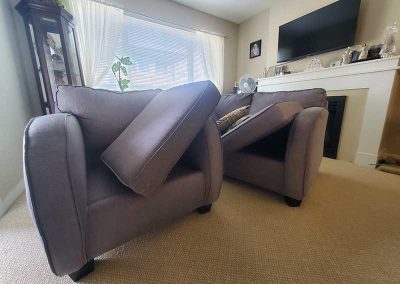
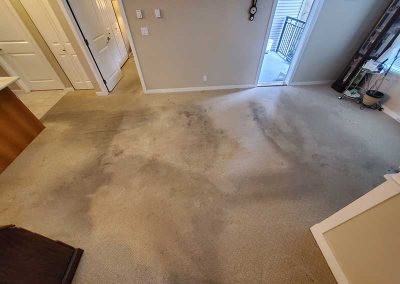
Real Results
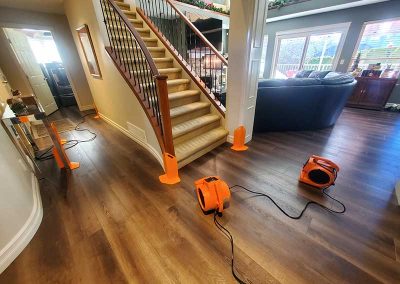
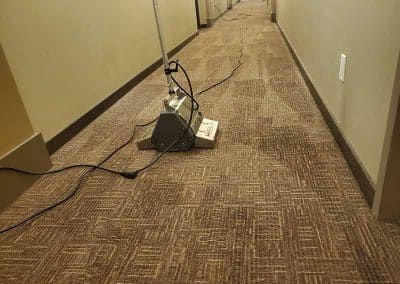
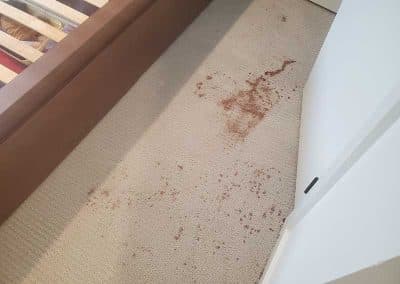
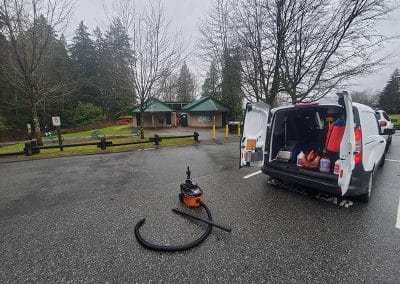
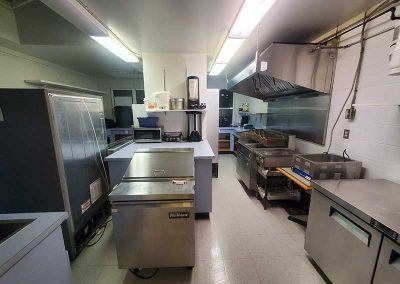
We take tremendous pride in the results we deliver for our clients. The photos speak for themselves.
Why Choose Us
Business License, Criminal Record Check, Trained Technicians, Professional Tools, Professional Solutions, Better Results and Quality, Transparent Pricing and no Hidden Fees, Health Benefits, Professional Operation of Tools, Mobi Cleaning Difference, Flexible Scheduling, On-Time, Maintenance, Great Competitive Value, Customer Satisfaction Focused, IICRC Trained, Green Cleaning, Reputation, Property Protection, Fast Drying Carpets, 100 Percent Satisfaction Guarantee, Experience, Professional Processes, First-Class Service, Fast Response Time, Free Consultation and Estimates, Competitive Pricing and Dedicated Account Manager