







Eradicating Sticky Sweets: DIY Candy Stain Removal for Apparel, Carpets, and Sofas
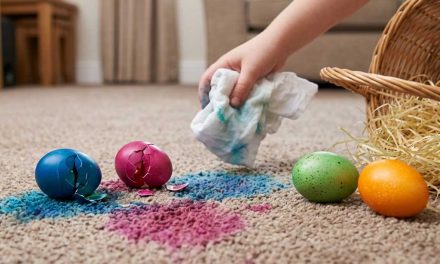
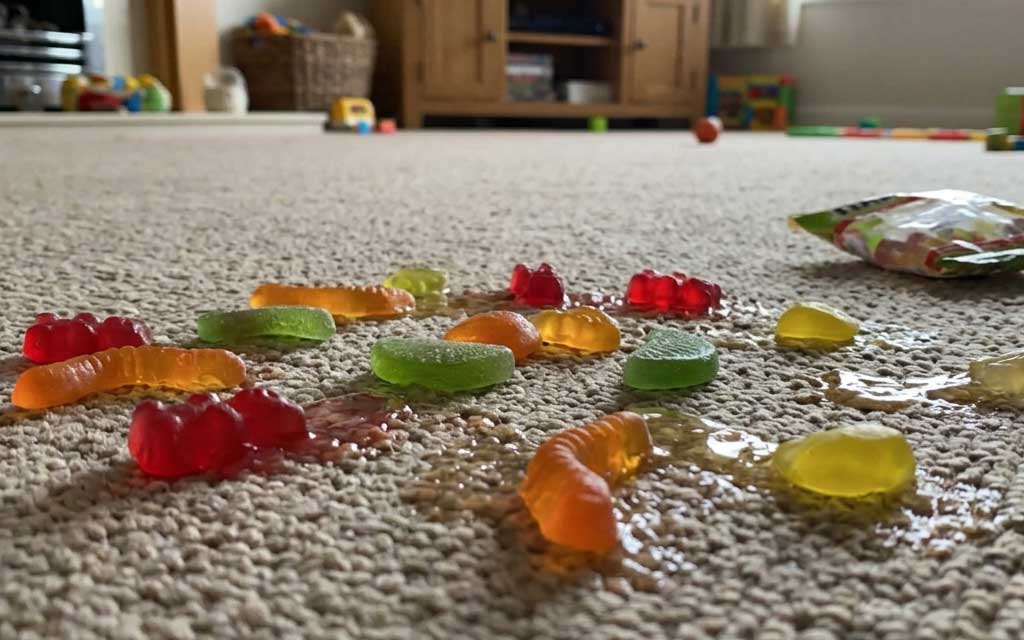
Dealing with dropped sweets is a major headache for homeowners throughout British Columbia, whether it is a gooey lollipop ground into a high-traffic living room rug or a piece of chocolate that turned into a melted mess on your favorite jacket during a warm summer afternoon in Metro Vancouver.
These specific blemishes can be notoriously stubborn to eliminate because they are heavily packed with processed sugars, highly concentrated artificial food colourings, and a tacky residue that chemically binds itself to delicate textile fibers and carpet piles.
If you neglect to address these spills immediately, they will leave behind unsightly discoloration and actively invite unwanted local BC pests—such as sugar ants and fruit flies—straight into your living spaces.
At Mobi Cleaning Canada, we are your trusted local BC property maintenance and deep cleaning professionals, and we understand exactly how frustrating it is to confront dried, set-in candy blemishes.
That is why our expert floor and upholstery care team has compiled this comprehensive, step-by-step cleaning guide to help you successfully lift these stubborn, sticky messes.
Whether you are cleaning up a mountain of leftover Halloween treats after trick-or-treating or managing a routine weekend spill, we have gathered the most effective strategies to extract these pigmented marks fast.
From refreshing everyday laundry items to executing a deep purge on carpets and furniture fabrics, we will walk you through keeping your household looking immaculate when sticky accidents strike.
Why Are Candy Stains So Challenging to Remove?
Before you pick up your cleaning supplies, it helps to understand why confectionery marks present such a difficult challenge for traditional washing routines.
The vast majority of modern sweets are formulated from a combination of refined sugars, aggressive artificial colourants, and dense binders like cocoa butter or corn syrup.
The moment these ingredients make contact with upholstery yarns or area rugs, they begin to bond with the material, creating a hardened, locked-in layer that resists basic surface wiping.
While the sugar content breaks down easily in warm water, it tends to recrystallize as it dries—meaning that if you fail to extract the sugary syrup completely down to the backing, the tacky spot will wick back up to the surface days later.
Furthermore, the highly concentrated artificial dyes utilized in vibrant candies penetrate deep into the core of porous fabric fibers, leaving a stubborn, dark shadow behind even after you have scraped away the physical candy chunk.
How to Lift Candy Stains from Clothing and Fabrics
When managing your laundry pile, a candy mishap can quickly escalate from a minor chocolate smudge to a highly noticeable, neon-colored disaster. Use this professional laundry method to safely wash them out:
Essential Supplies:
- High-quality liquid laundry detergent (formulated with active enzymes)
- Pure white vinegar
- Baking soda (for heavy-duty lifting)
- Pre-treatment stain remover spray (verified safe for your specific fabric type)
- A discarded toothbrush or a soft-bristled detailing brush
- A standard washing machine
Step-by-Step Apparel Stain Extraction Method
- Carefully Dislodge the Hardened Residue
Begin by using a dull butter knife or the edge of a spoon to gently lift away any hardened or chunky fragments of candy from the surface of the cloth. Avoid pushing down or scrubbing laterally, as this will accidentally spread the pigments and force the sugar deeper into the weave.
- Flush with Cold Water from the Reverse Side
Flip the garment completely inside out and position the stained zone directly underneath a running tap of cold water. Flushing from the back pushes the dissolved sugars and artificial food dyes out of the fibers rather than driving them deeper into the material. Avoid using hot water at this stage, as heat will permanently set the sugars and proteins into the fabric.
- Pre-Treat with an Enzymatic Liquid Soap
Apply a generous amount of liquid laundry detergent straight onto the affected area. Utilizing a detergent rich in bio-enzymes is the absolute best way to actively dismantle organic sugars and sticky syrups. Work the soap into the weave using your soft brush in gentle, circular patterns, then allow the pre-treatment to break down the bond for at least 20 minutes.
- Thoroughly Rinse the Soap Layer Away
Once the pre-treatment period has concluded, hold the garment under cold water again to fully rinse away the loosened sugary debris and soap suds.
- Submerge the Garment in a Vinegar Solution
To target stubborn, highly pigmented food dye rings, prepare a custom soaking bath by mixing one part pure white vinegar with three parts cold water. Fully submerge the item and let it soak for 30 minutes. This acidic step breaks down remaining sugar crystals and completely neutralizes any sour odors.
- Run a Targeted Machine Wash Cycle
Place the item into your washing machine and program a cycle using the warmest water temperature setting that is safely permitted by the garment’s care label. Add your preferred laundry detergent, and pour one cup of white vinegar directly into the fabric softener compartment to boost the cleansing action.
- Verify the Surface Before Machine Drying
Extract the clothing from the wash drum and inspect the area under bright lighting. If even a faint trace of the dye remains, halt the process and repeat the pre-treatment and washing phases. Never transfer a stained item into a clothes dryer, as the intense heat will bake the pigments into the fibers permanently.
- Heavy-Duty Extraction: The Baking Soda Paste
For exceptionally stubborn dye marks that refuse to budge after a standard wash, blend baking soda with a splash of water to form a thick, pasty consistency. Spread this directly over the damp mark and allow it to sit for 15 minutes to draw out hidden pigments. Rinse thoroughly with cold water before running it through a final wash.
Professional Tip: If the sticky mishap has landed on an ultra-delicate textile like pure silk, fine wool, or a dry-clean-only winter coat, bypass the DIY scrubbing entirely. Hand the garment over to a professional dry cleaner to guarantee the fabric isn’t permanently distorted or ruined.
How to Extract Stubborn Candy Stains from Residential Carpets
Floor coverings easily capture dropped confectionery treats, particularly during festive holiday seasons. Whether an individual accidentally stepped on a chocolate bar or a hard candy melted deep into the textile pile, safely purifying the spot demands a strategic approach so you do not damage your home’s flooring.
Essential Supplies:
- Chilled tap water
- Pure white vinegar
- Concentrated liquid dish detergent (such as Dawn)
- Dry baking soda
- Sterile white microfiber cloths or heavy-duty paper towels
- A soft-bristled detailing brush
- Specialized commercial carpet spot remover (optional)
- A high-suction vacuum cleaner
Step-by-Step Guide to Lifting Candy Messes from Carpet Piles
- Rehydrate and Soften the Solidified Sweet
- Begin by misting chilled water straight onto the impacted zone of the rug.
- Cool water serves as the most effective tool to safely liquefy dried, hardened sugars.
- This initial saturation makes separating the tacky mess from the fibers significantly easier.
- Allow the moisture to permeate the fibers undisturbed for several minutes.
- Use the dull edge of a spoon or a butter knife to carefully scrape the dissolving candy away from the tufts.
- Clear Away the Surface Residue
- As the sugary mass softens, delicately lift the loose fragments out of the carpet pile.
- Ensure you extract as much physical debris as possible before transitioning to liquid treatments.
- Neutralize the Spot with a Vinegar Blend
- Formulate a natural cleaning mixture combining one part white vinegar with two parts cool water.
- Saturated a clean, dye-free cloth or paper towel with this acidic solution.
- Press the cloth down gently to blot the discolored area.
- Avoid friction; never rub or scrub a live stain.
- Aggressive scrubbing forces the bright food dyes deeper into the backing and warps the natural fiber texture.
- The natural acidity inherent in white vinegar actively dismantles stubborn sugars while neutralizing sticky residues.
- Work in Liquid Dish Soap
- If a shadow of food coloring or a tacky texture persists, dab a few drops of liquid dish soap over the zone.
- Use a soft-bristled brush or a discarded toothbrush to gently work the suds into the carpet weave.
- Let the soapy solution sit for roughly 10 minutes to dissolve lingering organic oils or chocolate fats.
- Press down firmly with a fresh, damp cloth to absorb the emulsified spot.
- Flush and Blot the Fibers Dry
- Flush out the soap particles by lightly misting the spot with clear, cold water.
- Press a dry white towel heavily onto the area to draw up the soap film and loosened pigments from the floor.
- Replicate this flushing and blotting sequence multiple times until every trace of soap is eliminated.
- Conclude the process once the discoloration completely disappears.
- Pull Out Deep Moisture with a Baking Soda Poultice
- To combat deep-set, recurring spots that tend to wick back up, layer a generous coating of dry baking soda over the damp patch.
- Leave the dry powder on the floor for several hours or let it sit overnight.
- The baking soda works as a powerful desiccant to pull up trapped subsurface moisture.
- This step also completely eradicates sour, stale odors.
- Once the powder transitions back to a completely dry state, vacuum the area thoroughly.
- Apply a Commercial Carpet Spot Treatment
- If a faint trace of artificial food dye remains visible, apply a specialty over-the-counter carpet stain remover spray.
- Always adhere strictly to the usage guidelines outlined by the manufacturer on the packaging.
- Always preview the spray on an inconspicuous patch of your rug first, such as deep inside a closet.
- This quick check ensures the chemical formula won’t bleach out your carpet’s original color.
- Ensure Rapid and Complete Drying
- After successfully extracting the stain, apply heavy pressure to the zone using a thick, dry towel to absorb any residual moisture.
- It is critical to dry out the subfloor and carpet backing as quickly as possible.
- Accelerated drying prevents the formation of mold and mildew spores within our humid BC coastal environment.
Professional Tip: To protect your investment from subsequent spills, consider having a professional apply a commercial-grade carpet protectant sealer. This specialized treatment forms an invisible barrier that actively repels liquids. It stops everyday spills from morphing into permanent, dark stains, making your routine vacuuming and spot-cleaning significantly simpler.
How to Extract Candy Stains from Upholstery and Couches
Sanitizing living room upholstery can be a delicate task when dealing with sticky confectionery, particularly if your furniture features sensitive weaves or carries a strict dry-clean-only label. However, deploying the correct targeted strategies will help you lift stubborn residues without compromising the integrity of your furniture cushions.
Essential Supplies:
- Chilled tap water
- Pure white vinegar
- Liquid dish detergent
- Sterile white microfiber cloths or paper towels
- A soft-bristled detailing brush or a soft toothbrush
- Specialized upholstery cleaner (strictly matched to your furniture care code)
Step-by-Step Couch Stain Extraction Guide
- Delicately Scrape the Cushion Surface
- Mirroring the methodology used for apparel and carpet piles, begin by gently dislodging any hardened chunks of candy from the upholstery fabric.
- Use a dull spoon or the edge of a butter knife to lift the debris.
- Work with minimal downward force so you do not drive the melted sugars deeper into the textile weave.
- Blot the Affected Area with Cool Water
- Saturate a clean, white cloth with chilled water and gently press it against the discolored zone.
- This rehydrates and breaks down the hardened sugar crystals without spreading the artificial pigments across the fabric.
- Avoid over-saturating the furniture.
- Excess moisture can easily seep down into the underlying foam padding, fostering deep internal mold growth.
- Neutralize with an Acidic Vinegar Mix
- Blend a custom cleaning solution using one part pure white vinegar and two parts cool water in a small basin.
- Moisten a fresh cloth with the vinegar mixture and blot the tacky mark carefully.
- The natural acidity works to dismantle sticky corn syrups and fade stubborn food dye pigments.
- Dab with a Mild Detergent
- If a shadow of the sweet remains visible, apply a single tiny drop of dish soap straight to the spot.
- Use your soft-bristled brush to gently agitate the fibers and emulsify the remaining residue.
- Allow the soap to break down the spot for two to three minutes.
- Press a clean, damp microfiber cloth firmly over the zone to draw up the soap and the dislodged spot.
- Thoroughly Flush Out the Soap Film
- After treating the cushion, wipe the surface down using a cloth dipped in pure, cold water.
- Blot the fabric heavily with a dry towel to extract any remaining soap residue.
- Lingering soap acts like a magnet for airborne dust and dirt particles over time if left behind.
- Deploy a Fabric-Safe Commercial Cleaner
- If the discoloration persists, source a commercial upholstery cleaner that aligns with your furniture’s specific care code (W or S).
- Always review the manufacturer instructions printed on the back of the packaging.
- Always test the solution on an inconspicuous patch along the back or underside of the sofa before spraying the front face of the cushion.
- Accelerate the Drying Process
- Firmly press a clean, dry towel into the damp zone to wick out every last drop of moisture.
- Set up a portable fan or open nearby windows to maximize airflow and speed up evaporation.
- Fast drying ensures the textile cures evenly without forming unsightly water rings.
Professional Tip: For delicate antique upholstery, silk blends, or custom designer fabrics, halt the DIY process immediately and seek professional assistance. Certain textiles require specialized dry-solvent treatments to prevent severe fabric shrinkage or color bleeding.
Proactive Strategies for Avoiding Tacky Upholstery Marks
While mastering stain extraction is highly valuable, preventing spills entirely is the ultimate goal. Implement these proactive habits to preserve your BC household in immaculate condition:
- Apply Fabric and Rug Protectors: Professional-grade stain-resistant coatings establish an invisible shield over fibers, buying you precious extra time to wipe away spills before they soak into the core.
- Establish “No-Candy” Boundaries: To shield your expensive sectional and living room rugs, enforce a rule keeping sweets strictly in the kitchen or dining spaces where solid flooring is much simpler to sanitize.
- Keep an Emergency Spot-Cleaning Kit Ready: Maintain a small utility basket stocked with white vinegar, baking soda, dish soap, and microfiber towels in your laundry room so you do not lose time hunting for supplies during an accident.
- Address Spills Instantly: The faster you treat a dropped piece of candy, the easier it will be to extract. Do not allow the sugars to sit overnight to harden and bind with the material.
Frequently Asked Questions Regarding Candy Stain Extraction
- Is it safe to use hot water to treat candy stains?
No, never apply hot water to sugar or artificial food dye marks. Intense heat effectively bakes the pigments into the carpet or clothing fibers, making the spot permanent. Always rely on cold water to dissolve the sugars safely.
- What can I substitute if I run out of white vinegar?
If your pantry is out of white vinegar, fresh lemon juice serves as an excellent alternative. Lemon juice contains natural citric acid that breaks down stubborn sugars and lifts dark dyes in the exact same manner.
- Are commercial spot removers safe for every fabric type?
No, many over-the-counter stain removers are formulated with aggressive chemicals that can bleach or melt delicate fibers. Always check the care tag on your clothing or couch and test the spray on a hidden spot first.
- How do I clean candy off dry-clean-only or non-washable items?
For non-washable items, very lightly dab the mark using a damp cloth with your vinegar solution. Then, touch it with a tiny bit of dish soap. Avoid soaking the cloth, and immediately press a dry towel over the area to pull the moisture right back out.
- What should I do if the stain just will not come out?
If you have executed the cleaning steps multiple times and the blemish refuses to budge, it is time to call in a professional. Mobi Cleaning Canada delivers advanced residential cleaning and expert stain extraction services capable of lifting even the deepest, most stubborn candy marks.
Final Thoughts
Sticky candy accidents do not have to permanently ruin your favorite garments, area rugs, or living room furniture. By utilizing the correct household items and proper blotting techniques, you can easily clean up after the messiest treats.
At Mobi Cleaning Canada, we are dedicated to helping BC homeowners preserve pristine living environments—whether you are looking for DIY guidance or want to schedule a deep professional cleaning service. Remember, the secret to a spotless home is acting fast and using cold water instead of heat.
If you encounter an accident that you cannot resolve on your own, reach out to our team at Mobi Cleaning Canada. We are your local BC stain removal specialists, and we are dedicated to making your home look brand new.
Call Us
778.801.8595
SEND US AN EMAIL
book@mobicleaning.ca
Text Us
778.801.8595
Contact Us For Cleaning Services
Real Results
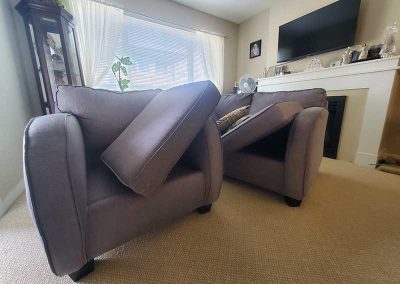
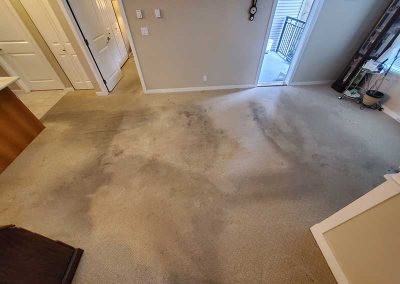
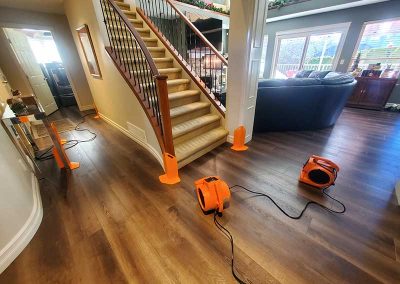
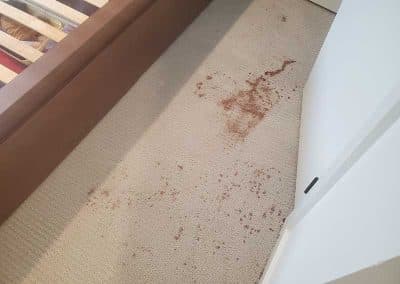
We take tremendous pride in the results we deliver for our clients. The photos speak for themselves.
Why Choose Us
Business License, Criminal Record Check, Trained Technicians, Professional Tools, Professional Solutions, Better Results and Quality, Transparent Pricing and no Hidden Fees, Health Benefits, Professional Operation of Tools, Mobi Cleaning Difference, Flexible Scheduling, On-Time, Maintenance, Great Competitive Value, Customer Satisfaction Focused, IICRC Trained, Green Cleaning, Reputation, Property Protection, Fast Drying Carpets, 100 Percent Satisfaction Guarantee, Experience, Professional Processes, First-Class Service, Fast Response Time, Free Consultation and Estimates, Competitive Pricing and Dedicated Account Manager