














How to Get Marker Out of Carpet DIY Ink Stain Removal Guide
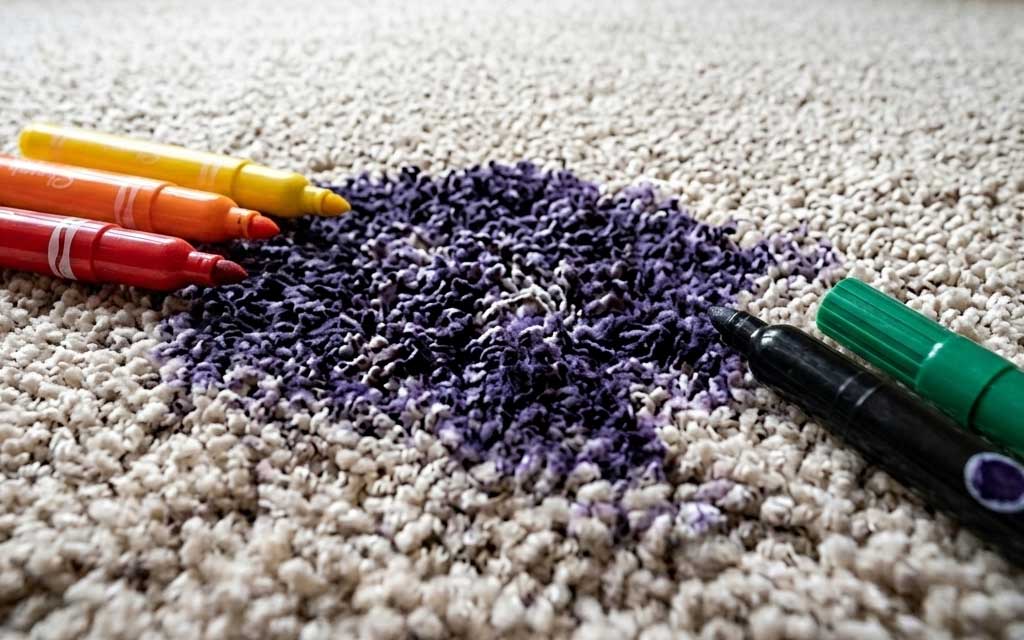
Every parent with creative kids understands the immediate panic of discovering marker stains on carpet. Felt-tip pens and markers are fantastic for school crafts and art projects because they are vibrant, accessible, and far less messy than acrylic paints. However, accidental spills happen in the blink of an eye—especially when an uncapped marker slips from a child’s hand and drops straight onto your flooring. Whether you are dealing with a standard washable school marker or a stubborn permanent marker stain, attempting to extract bright ink lines out of your textiles can feel completely overwhelming.
Fortunately, there is no need to panic—the local team at Mobi Cleaning Canada has you covered. As professional carpet cleaning experts serving British Columbia, we have successfully treated and removed an endless array of tough ink, pen, and Sharpie blemishes over the years. Below, we walk you through practical, step-by-step DIY carpet cleaning hacks tailored for various ink bases, alongside the absolute best household products to use. Before you know it, your residential flooring will look brand new again, leaving you fully prepared for the next family craft day!
Step 1: Act Immediately and Blot the Fresh Ink
The gold standard rule for marker stain removal is to intervene as quickly as humanly possible. The longer wet ink dwells on your fibers during our humid, damp BC seasons, the deeper it settles and the harder it becomes to extract completely. If the ink spill is still wet to the touch, grab a clean, white paper towel and apply firm, direct downward pressure to absorb the liquid.
- Crucial Technique Anchor: Always press and blot the target area; never rub, scrub, or friction-wipe. Rubbing the carpet pile will instantly push the liquid ink deeper into the carpet backing, locking the stain in permanently.
- The Science Behind It: Controlled blotting safely pulls fluid ink upward while it is still suspended near the top of the carpet fibers. Your primary goal during this initial phase is to lift as much raw pigment as possible before introducing any liquid spot treatments or chemicals.
Step 2: Identify the Specific Ink Formulation
Not all marker inks share the same chemical composition. Depending on the exact base ingredients of the blemish you are facing, you must deploy specific cleaning solutions to break down the binding dyes and resins. Let’s break down the most common variations:
- Water-Based Washable Markers: These are engineered to dissolve effortlessly upon contact with water, making them the absolute easiest type of ink to clean out of residential carpets.
- Oil-Based Permanent Markers: These are significantly trickier to remediate because they utilize permanent hydrophobic dyes. They require heavy-duty solvent cleaning agents, such as isopropyl rubbing alcohol or hydrogen peroxide, to sever the chemical bond.
- Dry-Erase Whiteboard Markers: Dry-erase ink smears and spreads across flooring much faster than other varieties, requiring a highly patient, ultra-gentle dabbing approach to prevent a massive black or blue smear.
Step 3: Perform an Isolated Spot Test First
Before you spray or pour any type of commercial carpet spot remover across your room, you must always test it on an inconspicuous, hidden area first (such as inside a closet or along a dark baseboard corner). Even everyday household items can trigger unexpected color bleeding, fading, or chemical bleaching on delicate textile dyes. Taking this rapid precautionary step ensures you won’t accidentally ruin your flooring or permanently degrade the carpet fibers.
- Pro Tip: Whether you are applying a store-bought retail stain remover or a homemade DIY mixture, allow the test area to dwell for 10 to 15 minutes. This structural pause ensures the formula does not alter the color fastness or warp the texture of the pile.
Step 4: Eradicating Washable Marker Using Liquid Dish Soap
If you confirm the spill originated from a washable school marker, your remediation job just became incredibly straightforward. Retrieve a standard grease-cutting liquid dish soap from your kitchen sink along with some warm water. Here is the exact breakdown of how to clean it up:
- Formulate the Solution: Blend a few drops of mild liquid dish soap into a small bowl filled with warm water.
- Apply and Dab: Moisten a fresh, clean microfiber cloth with the soapy water and gently blot the marker stain, working systematically from the outer perimeter inward.
- Monitor the Transfer: Continuously repeat this dabbing motion; you should quickly observe the colored ink transferring directly onto your damp rag.
- Rinse the Fibers: Once the vast majority of the pigment has vanished, take a separate clean cloth saturated purely with plain warm water (completely soap-free) to dab the area and rinse away any sticky soap residue.
- Extract the Moisture: Finally, blot the damp patch with a fresh, dry towel to draw out all remaining moisture. You can also use a home wet/dry shop vacuum if you have one available to massively accelerate the drying time.
- Why It Works: The specialized surfactants in common Canadian dish soaps easily emulsify water-soluble ink particles, making it simple to lift the suspended pigment right out of the carpet fibers.
Step 5: How to Extract Permanent Marker and Sharpie Stains
If you are staring down a severe permanent marker or Sharpie stain on your carpet, remain calm. While it definitely requires more patience and physical elbow grease to clear out on your own, the blemish is by no means permanent.
Gather these two powerful oxidizing and solvent agents directly from your bathroom medicine cabinet to begin:
- Rubbing alcohol (high-percentage isopropyl alcohol)
- Hydrogen peroxide (a standard 3% topical solution)
Technique 1: Isopropyl Rubbing Alcohol Extraction
- Moisten the Applicator: Lightly dampen a clean, white microfiber cloth or a lint-free cotton rag with standard rubbing alcohol—ensuring the cloth is merely moist rather than completely saturated.
- Perimeter-to-Center Blotting: Gently press and dab the permanent ink blemish, always working systematically from the outer edges toward the core to prevent the migrating pigment from spreading into unaffected fibers.
- Continuous Cloth Rotation: Frequently rotate your cleaning cloth to a fresh section or utilize a secondary dry towel to instantly absorb the liquefied ink as it separates from the floor.
- Repeat the Extraction: Persist with this precise dabbing motion until the deep permanent marker lines fade and disappear entirely.
Technique 2: Oxidizing Stains with Hydrogen Peroxide
Topical hydrogen peroxide serves as an incredibly effective, fiber-safe alternative to isopropyl solvent treatments, especially if you lack rubbing alcohol in your home medicine cabinet.
- Targeted Application: Apply a small amount of standard 3% hydrogen peroxide directly onto the stained carpet pile.
- Dwell Time Activation: Allow the liquid to sit undisturbed for a few minutes to chemically fracture the stubborn, resilient ink polymers.
- Firm Pigment Transfer: Press down firmly on the ink spot using a clean, dry white rag or a fresh microfiber cloth to lift the loosened dyes.
- Cycle the Process: Repeat these application and blotting steps sequentially until the pigmented marker blemish lightens and completely vanishes.
- Colorfast Warning: Because hydrogen peroxide carries natural oxidizing and mild bleaching properties, it can alter dark or vivid textile dyes. It is absolutely critical to execute an isolated patch test on a hidden piece of flooring before treating the center of your room.
Step 6: Deploy Professional-Grade Commercial Spotters for Stubborn Spots
When traditional household remedies fail to break down persistent oils, it is time to utilize commercial-grade carpet cleaning solutions. Citrus-infused retail formulas, such as “Oops! Paint & Ink Remover” or “Zep Citrus Stain Remover,” available at local BC home improvement stores like Home Depot, RONA, or Canadian Tire, work exceptionally well on dried, locked-in permanent ink.
Application Steps:
- Direct Spray Targeting: Mist the specialized commercial fluid directly over the ink spot, taking care to strictly adhere to the safety guidelines printed on the manufacturer’s label.
- Chemical Penetration Period: Allow the solution to interact with the synthetic fibers for the exact duration recommended on the packaging.
- Firm Pigment Lifting: Blot firmly with a clean cloth until the marker pigments transfer completely off your floor and onto the rag.
- Neutralizing the Chemical: Rinse the treated area thoroughly with plain water to extract any sticky chemical residue, then press dry with a fresh towel.
- Precautionary Note: Always test heavy-duty retail formulations on an inconspicuous area first to ensure they will not accidentally warp, melt, or discolor your specific carpet backing.
Step 7: Remediating Dry-Erase Whiteboard Marker Smears
Dry-erase whiteboard ink contains fine oily powders that smear and track across flooring far easier than liquid inks, but they are highly manageable if you use a controlled dabbing method. Creating a homemade effervescent combination of kitchen baking soda and ordinary white vinegar dissolves these binders perfectly.
- Powder Layering: Sprinkle a generous, even layer of dry sodium bicarbonate (baking soda) directly across the colored whiteboard marks.
- Formulate the Acid Rinse: In a clean spray bottle, mix equal portions of warm water and plain white distilled vinegar.
- Trigger the Effervescence: Mist the acidic vinegar solution directly over the dry baking soda powder sitting on your floor.
- Lift and Dab: Let the bubbling chemical reaction fizz for several minutes to lift the trapped pigment up the fiber shaft, then gently press and blot the foam with a clean cloth.
- Final Flush: Continuously dab the spot and rinse it with minimal traces of warm water until the dark dry-erase shadow is completely eradicated.
- Eco-Friendly Takeaway: This natural household cleaning method is highly sustainable for the environment and serves as an excellent remediation tactic for a wide variety of everyday organic stains beyond school markers.
Step 8: Comprehensive Surface Rinsing and Moisture Extraction
Once the marker ink is no longer visible, you must perform a comprehensive final rinse with pure water to extract any latent soap, vinegar, or surfactant chemistry. Skipping this step leaves dried cleaning residues behind, which act like a magnet for dust, foot-traffic grit, and damp coastal humidity. Saturated fibers will soil prematurely. Dampen a clean towel with warm water, press it firmly into the pile to flush the yarns, and then blot it completely dry with a fresh towel or draw up the remaining fluid using a home wet/dry shop vacuum.
- Drying Etiquette Pro Tip: Avoid walking across or stepping on the treated carpet until it is 100% dry to prevent tracking outdoor soil, rainwater, or West Coast mud back onto the damp fibers.
Proactive Strategies to Prevent Ink Stains in Your Home
It is far simpler to prevent accidental ink spills from occurring than it is to extract deep dyes from your flooring down the road. Use these highly effective home maintenance strategies to protect your carpets permanently:
Invest Exclusively in Washable Formulations
If you host creative toddlers or enjoy weekend arts and crafts, purchase only certified washable markers so that future accidental drops are effortlessly water-soluble.
Establish a Non-Carpeted Crafting Zone
Create a dedicated arts and crafts station for your children in a section of the home built with resilient hard flooring—such as linoleum, laminate, or luxury vinyl plank (LVP). Alternatively, protect carpeted rooms by laying down a thick plastic drop cloth, old newsprint, or an outdoor utility mat before crafting begins.
Maintain Strict Cap Management
Remind your family to firmly snap plastic caps back onto their pens immediately after use to prevent rolling leaks, tip contact, and accidental floor transfers.
What to Do If the Permanent Ink Refuses to Budge?
Occasionally, despite running through every DIY carpet cleaning trick, a severely locked-in permanent marker line or deep Sharpie blemish simply refuses to release from the floor yarns. This is precisely when you need to bring in certified specialists.
The local pros at Mobi Cleaning Canada specialize in high-heat, truck-mounted steam extraction. We possess industrial-grade stain lifters, specialized chemical counter-agents, and the hands-on expertise required to reverse severe ink damage safely. From industrial permanent marker lines to deep food dyes and embedded pet accidents, we restore your home’s flooring without risking structural fiber damage.
Ready to Revitalize Your Household Carpets?
If your living room, hallways, or bedroom carpets require professional TLC after an encounter with an open marker—or any other stubborn household spill—our team is ready to assist. We deliver premium, comprehensive residential carpet cleaning services that extend far beyond simple spot treatments. Our deep steam extraction processes neutralize odors, eradicate dust mites, and lift deeply embedded traffic grime from your entire property.
Let’s discuss how we can restore your home’s flooring to a beautiful, factory-fresh condition. Contact Mobi Cleaning Canada today to book your professional appointment or request a completely free, transparent service estimate!
Call Us
778.801.8595
SEND US AN EMAIL
book@mobicleaning.ca
Text Us
778.801.8595
Contact Us For Cleaning Services
Real Results
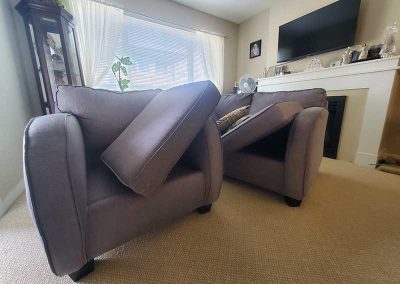
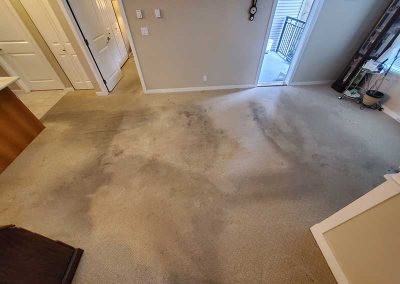
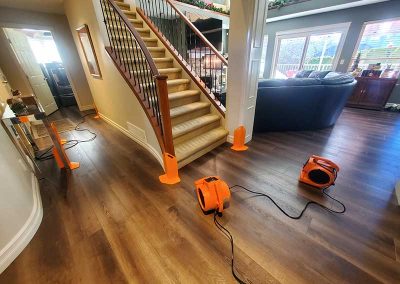
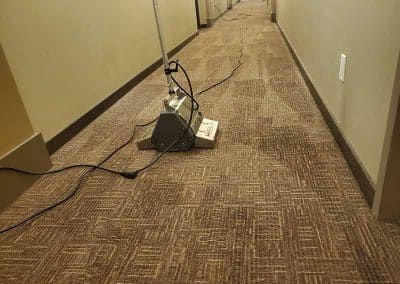
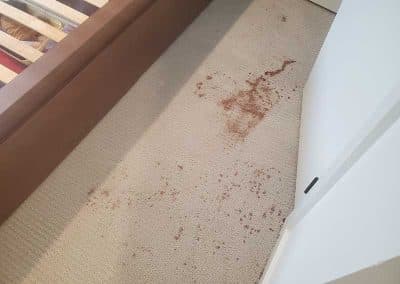
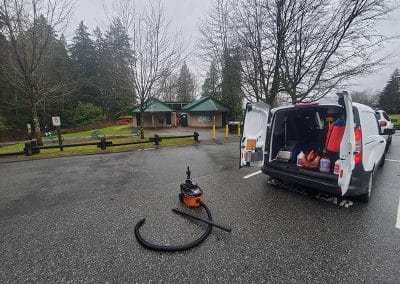
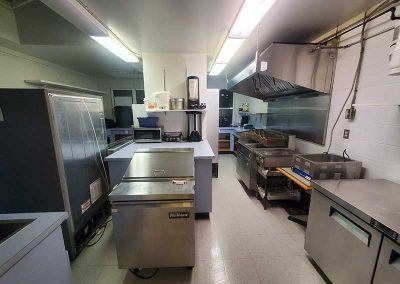
We take tremendous pride in the results we deliver for our clients. The photos speak for themselves.
Why Choose Us
Business License, Criminal Record Check, Trained Technicians, Professional Tools, Professional Solutions, Better Results and Quality, Transparent Pricing and no Hidden Fees, Health Benefits, Professional Operation of Tools, Mobi Cleaning Difference, Flexible Scheduling, On-Time, Maintenance, Great Competitive Value, Customer Satisfaction Focused, IICRC Trained, Green Cleaning, Reputation, Property Protection, Fast Drying Carpets, 100 Percent Satisfaction Guarantee, Experience, Professional Processes, First-Class Service, Fast Response Time, Free Consultation and Estimates, Competitive Pricing and Dedicated Account Manager