










How to Get Grass Stains Out of Your Carpet and Car Carpets!
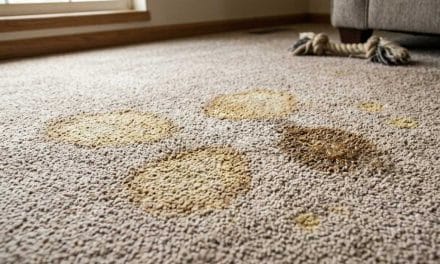
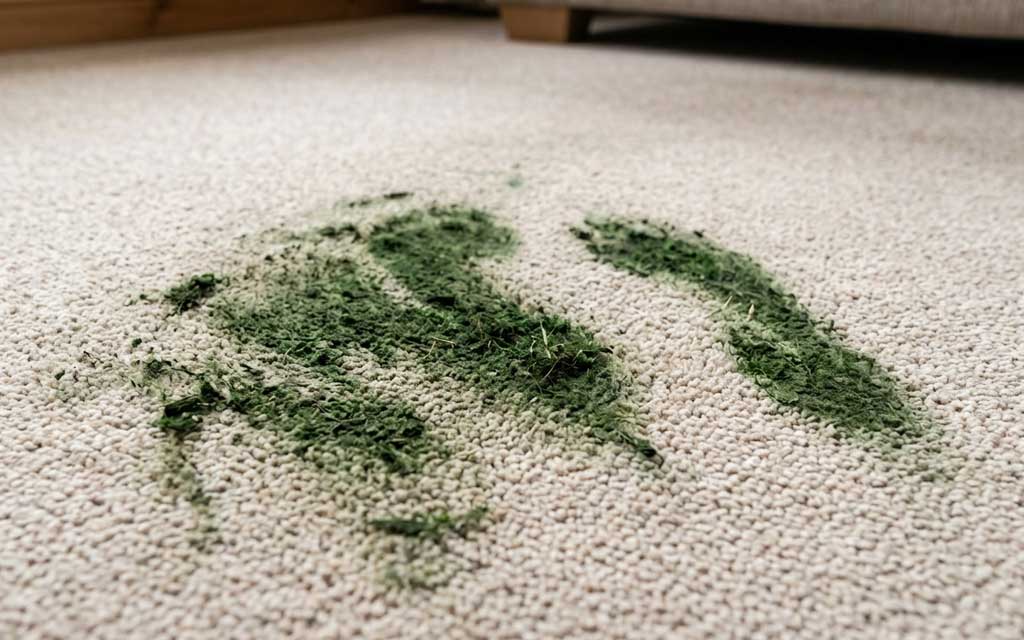
Vibrant chlorophyll blemishes have a notorious reputation for appearing exactly where they do not belong—saturating your primary living room rugs, embedding into vehicle floor mats, and discoloring your automotive cabin upholstery. Whether these dark green streaks originate from children rushing indoors following backyard recreational activities, a summer picnic blanket transferring pigment, or fresh lawn clippings tracked across your vehicle flooring during wet coastal weather, they represent a highly complex cleaning challenge.
Fortunately, by executing the correct technical strategies and utilizing calibrated spotting solutions, you can completely eradicate grass discoloration from home textiles and automotive fabrics rapidly and efficiently.
The following guide details systematic protocols designed to release both fresh and fully dried organic plant pigments, supplemented by professional prevention tactics to safeguard your woven investments.
Why Are Grass Stains So Tough to Clean?
Lawn blemishes behave quite differently from standard mud or surface dust deposits; they form a chemical bond with yarn structures that makes them exceptionally resilient. Our lush, native British Columbia vegetation contains a mixture of highly reactive organic materials:
- Chlorophyll Particles – The natural green pigment found within plant cells, which functions with the molecular intensity of a permanent industrial textile dye.
- Proteins & Organic Matrices – Active biological components that bind deeply with the twisted carpet pile, dramatically increasing extraction resistance.
- Plant Tannins – Concentrated organic compounds that can leave behind an unsightly, yellowish-green chemical tint if ignored.
Because chlorophyll mimics a traditional dye structure, utilizing improper DIY methodologies—such as aggressive horizontal scrubbing or applying hot water flushes—will bake the pigment permanently into the yarn. To avoid setting the blemish, you must prioritize immediate containment and deploy specialized chemical breakdown methods for both your home interior and automotive carpets.
Exhausted from manual scrubbing that yields zero aesthetic improvements? Let the certified stain extraction specialists at Mobi Cleaning Canada restore your surfaces. Book your professional deep steam extraction service today and eliminate stubborn grass blemishes permanently!
How to Clean Grass Stains Out of Home Carpets and Rugs
Step 1: Recover Unbound Turf Particles and Dry Grit
Prior to applying any liquid spotting agents, you must completely isolate and remove loose structural yard debris from the area:
- Extract superficial debris using your vacuum’s direct suction hose attachment—avoid running a heavy upright vacuum directly over the spot, which risk grinding the pigment deep into the primary backing.
- Utilize a soft-bristled utility brush to delicately dislodge any dehydrated blades of grass caught between the yarn twists.
Step 2: Cool Fluid Inversion and Blotting
- Saturate a clean, white microfiber towel with cold water (strictly avoid warm or hot water, which will thermally lock the biological enzymes into the fabric).
- Gently press the damp cloth vertically into the green blemish—maintain zero friction. Scrubbing forces the active chlorophyll deep into the core fiber matrix.
- Replicate this tapping sequence progressively, shifting to pristine areas of your microfiber cloth until green pigment ceases to transfer.
Step 3: Inject a Calibrated Surfactant or Acidic Flush
- Formulate a mild solution by dissolving 10 mL (two teaspoons) of premium grease-cutting liquid dish detergent into 500 mL (two cups) of lukewarm water.
- Submerge a clean cloth into the surfactant mixture and carefully dab the perimeter of the discoloration.
- Compress a dry towel over the treated footprint to lift the soap and encapsulated pigment out of the pile simultaneously.
- For Resilient Shadows: Transition to a 1:1 mixture of distilled white vinegar and cold water. The natural acidity breaks down organic plant bonds without compromising textile integrity.
Step 4: Advance to Targeted Chemical Dissolution (If Required)
If standard surfactants or mild acids fail to fully lift the dark blemish, deploy these advanced household alternatives:
- Stabilized 3% Hydrogen Peroxide (Strictly for Non-Dyed, Light Synthetics): Apply a minimal drop over the spot, allow a 5-to-10-minute dwell window to oxidize the pigment, and blot thoroughly.
- Bio-Enzymatic Digesters (Optimal for Vegetative Matter): Apply an organic enzyme treatment to systematically break down and digest the plant proteins holding the dye.
- Isopropyl Rubbing Alcohol: Moisten a white cloth with rubbing alcohol and tap the yarn—this solvent effectively shears resilient, dye-like organic chains.
Step 5: Execute a Neutralizing Rinse and Dry Lifecycle
- Dampen a fresh utility cloth with plain, cold water and blot the area thoroughly to purge all residual cleaning chemistry.
- Press a thick bath towel firmly over the damp footprint to absorb trapped subsurface humidity.
- Allow the carpet pile to air-dry completely, deploying a high-velocity floor fan to accelerate evaporation within our humid coastal British Columbia environment.
How to Get Grass Out of Your Car Carpet
Automotive carpeting captures sheared lawn debris far more aggressively than standard residential rugs due to its short, high-density looped fibers and its tendency to trap environmental humidity from saturated footwear, culminating in deep pigment saturation and persistent musty malodors.
Step-by-Step Automotive Carpet Restoration
Step 1: Isolate and Recover Unbound Organic Material
- Extract superficial lawn debris across the automotive cabin utilizing a high-performance shop vacuum or a heavy-duty handheld extraction unit.
- Agitate the dense floor fibers with a rigid, stiff-bristled detailing brush to release deeply wedged grass fragments.
- To capture micro-blades woven into the loops, press high-tack duct tape or a specialized adhesive lint roller firmly across the automotive carpet backing.
Step 2: Target the Active Chlorophyll Blemishes
- Formulate a chemical counteragent blending one part distilled white vinegar with two parts cool water inside an atomizing spray bottle.
- Lightly mist the solution directly over the discolored floor mat or cabin footwell.
- Apply firm vertical pressure with a pristine white microfiber towel until the green plant dye fully transfers out of the textile.
- For Resilient Fleet Stains: Deploy stabilized 3% hydrogen peroxide (strictly restricted to light-colored cabin interiors) or an advanced, bio-enzymatic digester engineered specifically for automotive fabrics.
Step 3: Execute Intensive Fabric Decontamination (If Required)
- Apply a dedicated, professional-grade automotive upholstery shampoo or structural fabric cleaner sourced from a trusted British Columbia auto supply retailer.
- If utilizing a portable mechanical hot-water or cold-water carpet extraction machine, strictly adhere to the manufacturer’s fluid-ratio parameters.
Step 4: Enforce a Rigorous Automotive Evaporation Cycle
- Compress a dry, highly absorbent microfiber towel heavily across the wet footprint to draw out subsurface moisture reservoirs.
- Position the vehicle inside a secure, well-ventilated garage with all doors and windows open, or deploy a high-velocity utility fan to halt the subsurface mold, mildew, and musty odor colonization common to our damp Pacific Northwest climate.
Organic turf blemishes do not have to culminate in permanent automotive depreciation. Whether you are addressing an immediate tracking incident or an ancient, set-in shadow, our systematic chemical breakdown strategies can help. When consumer-grade methods fail to yield results, the commercial detailing and technical extraction crews at Mobi Cleaning Canada stand ready to fully restore your domestic flooring and vehicle cabins rapidly.
DIY Grass Stain Removal Hacks
If you prefer utilizing immediate household formulations to break down organic turf compounds, deploy these targeted kitchen remedies:
- Dehumidifying Baking Soda Matrix: Blend pure sodium bicarbonate powder with a minimal droplet of cold water to establish a dense, active paste. Spread it uniformly over the green discoloration, allow a 15-minute dwell window to encapsulate the pigments, and wipe clean.
- Citric Acid Plant Dye Dissolution: The natural acidic profile of raw lemon juice excels at breaking down complex vegetative color structures. Apply a minimal count of fresh drops directly onto the yarn, let the chemistry react, and blot vertically.
- Carbonated Fluid Dislodgement: Functions as a rapid, effervescent mechanical lifter for immediate tracking accidents. Pour pure club soda directly over the fresh green blemish and immediately press an absorbent towel down to capture the rising bubbles and suspended pigment.
Commercial Stain Removers for Lawn Stains
While basic household mixtures provide utility, complex fiber locking frequently demands heavy-duty surfactant chemistry. The following professional spot-treatment formulations are readily accessible at major retailers across BC:
- Folex Carpet Spot Remover – An exceptional, residue-free surfactant configuration that operates effectively on both residential woven carpets and industrial vehicle floor liners.
- OxiClean MaxForce – An advanced, enzyme-powered spotting spray engineered to systematically dismantle resilient organic plant matter.
- Bissell Professional Stain & Odor Remover – A premium commercial fluid that excels at purging stubborn grass proteins and embedded animal tracking compounds.
Grass Stain Carpet Cleaning FAQs
Can I Use a Steam Cleaner on Grass Stains?
Absolutely not. You must never introduce a thermal steam cleaner to an active grass stain because the extreme heat will cause the natural protein-bound chlorophyll molecules to chemically fuse with the carpet fibers. Instead of separating the pigment, thermal energy locks it permanently into the yarn matrix, creating an irreversible mark. For optimal extraction success, rely strictly on cold or lukewarm fluid vectors combined with balanced surfactants like dish soap or diluted white vinegar to liquefy the vegetative cells prior to blotting.
Will White Vinegar Damage My Rug?
No, distilled white vinegar will not degrade your textile backing provided you apply a properly diluted mixture and execute a preliminary colorfastness check on an inconspicuous patch of yarn. Raw, undiluted vinegar carries a highly concentrated acidic profile that can weaken delicate synthetic twists or strip natural animal fibers like wool over extended periods. To ensure a safe spot extraction, combine one part vinegar with two parts water before wetting the floor. If no chemical dye migration or fiber distortion manifests after several minutes, proceed safely with your vertical blotting sequence.
How Do I Prevent Grass Stains Inside My Car?
Halting automotive carpet degradation relies entirely on intercepting exterior organic debris and abrasive grit before it embeds into the floor sub-structure. Implement these protective habits to preserve your cabin aesthetics:
- Extract and vigorously shake out your removable car floor mats regularly to discard loose turf clippings before physical foot friction grinds them into the primary backing.
- Atomize a professional-grade hydrophobic fluorochemical fabric protectant to establish an impenetrable, stain-resistant chemical barrier across your automotive mats and footwells.
- Maintain a compact, high-utility portable vacuum cleaner within your vehicle’s cargo trunk to rapidly capture migrating yard clippings before they wedge into the fiber loops.
- Substitute factory textile mats with heavy-duty, all-weather vulcanized rubber floor liners if your lifestyle demands frequent exposure to mud, wet turf, or regional trail debris. These heavy shields can be instantly removed and pressure-washed clean, preventing liquid pigments from ever contacting your vehicle’s permanent fabric foundation.
When dealing with severe, historically set-in stains that refuse to release using standard remedies, professional technical intervention is required. The certified field crews at Mobi Cleaning Canada leverage industrial truck-mounted extraction equipment and advanced chemical spotting systems to return your commercial and residential flooring to a uniform, pristine condition.
Ready to completely revitalize your domestic rugs or automotive interior? Contact the dispatch office at Mobi Cleaning Canada today and let our local British Columbia specialists manage the heavy technical extraction for you!
Call Us
778.801.8595
SEND US AN EMAIL
book@mobicleaning.ca
Text Us
778.801.8595
Contact Us For Cleaning Services
Real Results
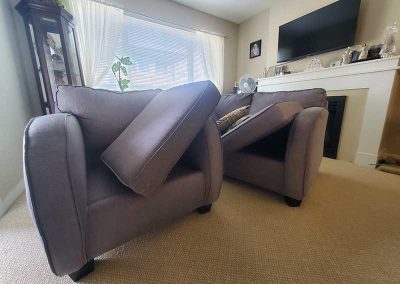
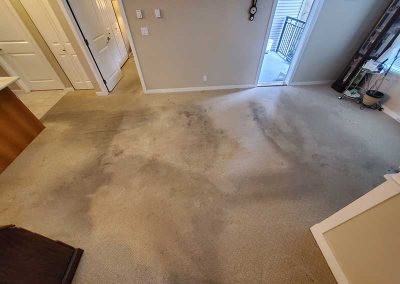
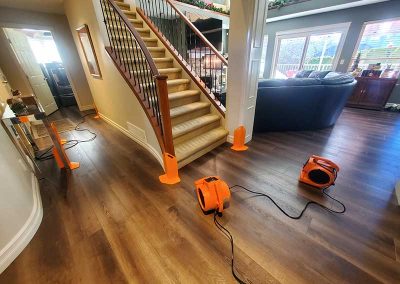
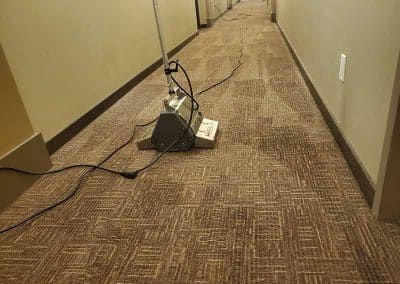
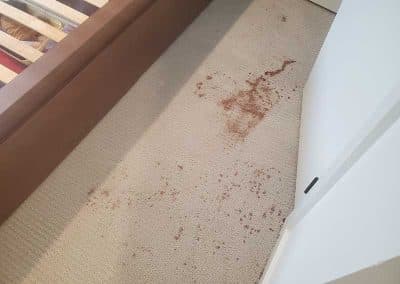
We take tremendous pride in the results we deliver for our clients. The photos speak for themselves.
Why Choose Us
Business License, Criminal Record Check, Trained Technicians, Professional Tools, Professional Solutions, Better Results and Quality, Transparent Pricing and no Hidden Fees, Health Benefits, Professional Operation of Tools, Mobi Cleaning Difference, Flexible Scheduling, On-Time, Maintenance, Great Competitive Value, Customer Satisfaction Focused, IICRC Trained, Green Cleaning, Reputation, Property Protection, Fast Drying Carpets, 100 Percent Satisfaction Guarantee, Experience, Professional Processes, First-Class Service, Fast Response Time, Free Consultation and Estimates, Competitive Pricing and Dedicated Account Manager