










How to Get Dried Paint Out of Your Carpet
A paint spill on your floor can turn a quick home project into a frustrating mess. Whether it is water-based or oil-based paint, the secret is knowing how to clean it—especially after it dries up.
In this DIY guide, we will show you exactly how to get dried paint out of carpet using simple household tools, step-by-step instructions, and expert carpet cleaning tips that actually work.
How to Get Dried Paint Out of Carpet
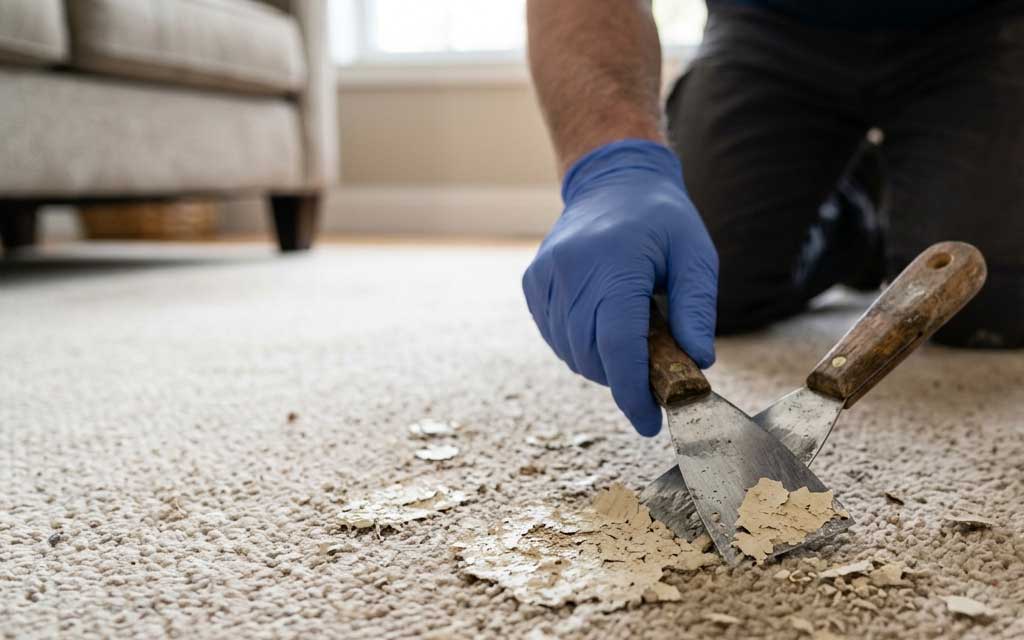
To get dried paint out of carpet, gently scrape away any hardened pieces with a dull butter knife, then soften the remaining residue with warm water or WD-40. Blot the spot with a clean rag soaked in liquid dish soap or rubbing alcohol, rinse the area with clean water, pat it dry, and run a vacuum to restore the carpet pile.
Steps to Remove Dried Paint From Carpet:
- Scrape off hardened paint flakes with a dull knife or a spoon.
- Soften the dried stain using warm water, WD-40, or white vinegar.
- Blot the spot using a rag dipped in dish soap or rubbing alcohol.
- Rinse the fibers with clean water and blot it dry with a towel.
- Vacuum the floor to fluff up the carpet’s texture.
Different types of wall and craft paint require different cleaning methods—especially after they have completely dried. Below, we will help you figure out what kind of paint stain you are dealing with, how to clean it safely, and when it is time to call Mobi Cleaning Canada’s professional carpet cleaning team to tackle the toughest stains.
Understanding the Type of Paint Stain
Water-Based Paint Stains
Water-based paints, which most people know as latex paint or acrylic paint, are commonly used for indoor walls and outdoor home DIY painting projects. Homeowners use them a lot because they dry very fast and clean up easily with plain water. Common examples of these include interior wall paint, hobby craft paint, and exterior house paint.
Cleaning latex paint off a carpet requires understanding how this specific material behaves. When it is still wet, water-based paint has a thinner consistency and a lighter, less chemical odor than oil-based paint. Its color might look a bit lighter while wet than when it is dry. Checking the label on the paint can for clean-up instructions will also give you a clue, since water-based varieties always recommend soap and water for washing up.
However, dealing with dried latex paint on a carpet can be a little more challenging. The water mixed into the paint evaporates into the air as it dries, causing the pigments to harden into a solid shell. Yet, if you have patience and use the right stain removal techniques, these dried spots can be successfully cleaned.
Oil-Based Paint Stains
Oil-based paints, popular for their long-lasting durability and smooth, shiny gloss finish, are typically used in high-traffic areas and on surfaces that need a tough coating. These usually include kitchen cabinets, baseboards, door trim, moldings, and outdoor patio furniture. Oil-based paint includes protective enamels, varnishes, lacquers, and wood stains.
These specialized coatings have a much thicker consistency and a very strong, chemical smell. The color when the spill is wet will look almost identical to the color when it dries. Oil-based paints always require mineral spirits, paint thinner, or turpentine for cleanup, which will be clearly printed on the back of the can.
Getting oil paint out of carpet fibers can be a difficult chore because it has strong adhesive properties and resists water completely. But if you use the right solvents and cleanup approach, you can successfully tackle both fresh splatters and dried oil paint stains.
Tools and Materials Needed to Remove Paint Stains
Before diving into our carpet stain removal steps, gather these necessary tools and household items:
- A metal spoon or a dull butter knife
- Clean white rags, microfiber cloths, or paper towels
- Mild liquid dish soap (like Dawn)
- Warm water
- Clear rubbing alcohol (isopropyl alcohol)
- WD-40 spray or a similar lubricant
- A commercial paint remover or Goof Off
- A household vacuum cleaner
Your choice of a paint remover solvent will depend entirely on the specific type of paint mess you are cleaning, as we will explain below.
How to Remove Dried Paint Stains
Dried Water-Based Paint Stains
- Scrape Off the Paint: Use a dull knife to gently scrape away as much dried, crusty paint as you can.
- Apply Hot Water: Pour a tiny amount of hot water directly onto the stain to loosen and soften it up.
- Apply Dish Soap: Add a few drops of liquid dish soap to the wet spot and gently blot it with a clean white cloth.
- Rinse and Dry: Once the color lifts, rinse the area with warm water, blot the moisture out with a towel, and vacuum.
Dried Oil-Based Paint Stains
- Apply a Lubricant: Spray WD-40 or a similar lubricating oil onto the spot to soften the hardened dried paint.
- Blot the Stain: After letting the lubricant soak in for a few minutes, gently dab the stain with a clean white rag.
- Apply Rubbing Alcohol: If the paint color is still stuck, use a fresh cloth to press a small amount of rubbing alcohol into the fibers.
- Rinse and Dry: Once the spot clears up, rinse the carpet with warm water, dry it thoroughly with a towel, and vacuum.
How to Remove Wet Paint Stains
Fresh Water-Based Paint Stains
- Blot, Don’t Rub: Use a clean, dry paper towel to soak up the spill. Rubbing will push the wet paint deeper into the carpet backing.
- Mix a Cleaning Solution: Stir one teaspoon of liquid dish soap into a cup of warm water.
- Apply the Solution: Using a clean white rag, gently dab the soapy water onto the wet stain. Keep blotting until the color stops transferring.
- Rinse and Dry: Wash the area with clean warm water and dry it completely with a clean towel. When dry, vacuum the spot to fluff the carpet fibers back up.
Fresh Oil-Based Paint Stains
- Remove Excess Paint: Use a spoon or a dull knife to carefully scoop up as much wet paint puddle as possible.
- Apply a Solvent: Dab a small amount of rubbing alcohol or a commercial paint thinner onto the stain using a clean white rag.
- Blot the Stain: Gently dab the spot, starting from the outer edges and working your way into the center.
- Rinse and Dry: Rinse the treated carpet fibers with warm water, blot all the wetness out, and vacuum the floor.
Tips and Tricks for Successful Paint Stain Removal
Test Cleaning Solutions to Avoid Damage
It is very important to always test any cleaning chemical or solvent on a hidden part of the floor first to avoid color fading or fiber damage. Different carpet materials (like nylon, wool, or polyester) react differently to various spot removers, and some harsh chemicals can strip colors or dissolve synthetic fibers. Before applying a heavy solvent to the middle of the room, test it on a hidden spot, such as inside a closet or under a heavy couch. Let it sit for a couple of minutes, then blot it up with a white towel. If there is no color bleeding or texture change, it is safe to use on the main stain.
Never Rub a Paint Stain
Remember to never scrub a paint spill, because rubbing pushes the pigment deeper into the carpet backing. When you see a bright paint spot on your floor, your first instinct might be to scrub it hard with a brush, but this actually forces the paint deep down into the base of the carpet fibers, making it nearly impossible to lift out. Instead, always use a dabbing or blotting motion. This tapping method lifts the liquid up and away from the carpet pile rather than grinding it in.
Blot from Edges Toward Center
Always blot from the outside edges of the spill toward the center to prevent the stain from spreading out. When you are dabbing a paint spot, start at the very outer ring and work your way inward. This helpful technique keeps the wet mess from expanding across a larger area of your floor. By wiping inward, you contain the paint and keep the dirty spot as small as possible.
Take Safety Measures Before You Begin
Safely use commercial paint thinners or other harsh solvents by wearing protective gloves and opening your windows for ventilation. Some stubborn paint spots, especially old oil-based paints, will require heavy-duty chemical strippers. These chemical fluids can burn your skin on contact or cause headaches if you breathe in the strong fumes. Always put on heavy rubber gloves before touching these chemicals and make sure your room has plenty of fresh airflow. If you can, wear a respirator mask for extra protection while working.
How to Avoid Paint Stains
Helpful preventative habits to keep your floors clean during your next project:
Cover Your Carpet Before Painting
Preventing a mess is always easier than removing a stain, and that means taking careful precautions before you even crack open the paint lid. Completely cover your carpeted floors with canvas drop cloths, plastic paint sheeting, or old heavy blankets to block unexpected spills or rolling splatters. Make sure to tape down the edges of your floor coverings so they do not slide around while you work, which would leave your carpet exposed to sudden accidents.
Keep a Damp Rag Nearby
A wet cloth can be your absolute best defense against sudden paint splatters. If a drop or spill hits the floor, immediately blotting the area with a wet cloth can wash it away before the paint has any time to set into the carpet fibers. Remember, acting fast is crucial when dealing with home improvement messes.
Call Us
778.801.8595
SEND US AN EMAIL
book@mobicleaning.ca
Text Us
778.801.8595
Contact Us For Cleaning Services
Real Results
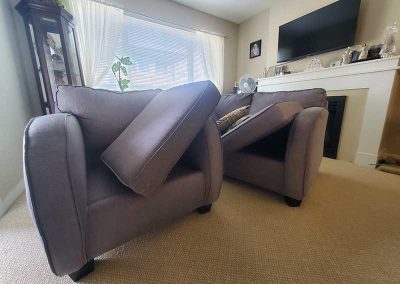
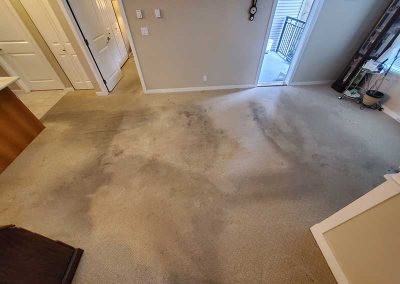
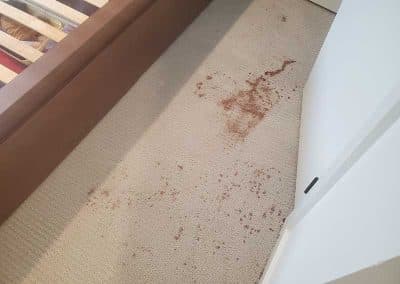
We take tremendous pride in the results we deliver for our clients. The photos speak for themselves.
Why Choose Us
Business License, Criminal Record Check, Trained Technicians, Professional Tools, Professional Solutions, Better Results and Quality, Transparent Pricing and no Hidden Fees, Health Benefits, Professional Operation of Tools, Mobi Cleaning Difference, Flexible Scheduling, On-Time, Maintenance, Great Competitive Value, Customer Satisfaction Focused, IICRC Trained, Green Cleaning, Reputation, Property Protection, Fast Drying Carpets, 100 Percent Satisfaction Guarantee, Experience, Professional Processes, First-Class Service, Fast Response Time, Free Consultation and Estimates, Competitive Pricing and Dedicated Account Manager