











Does Vancouver Have Bad Air? Here’s What Homeowners Need To Know
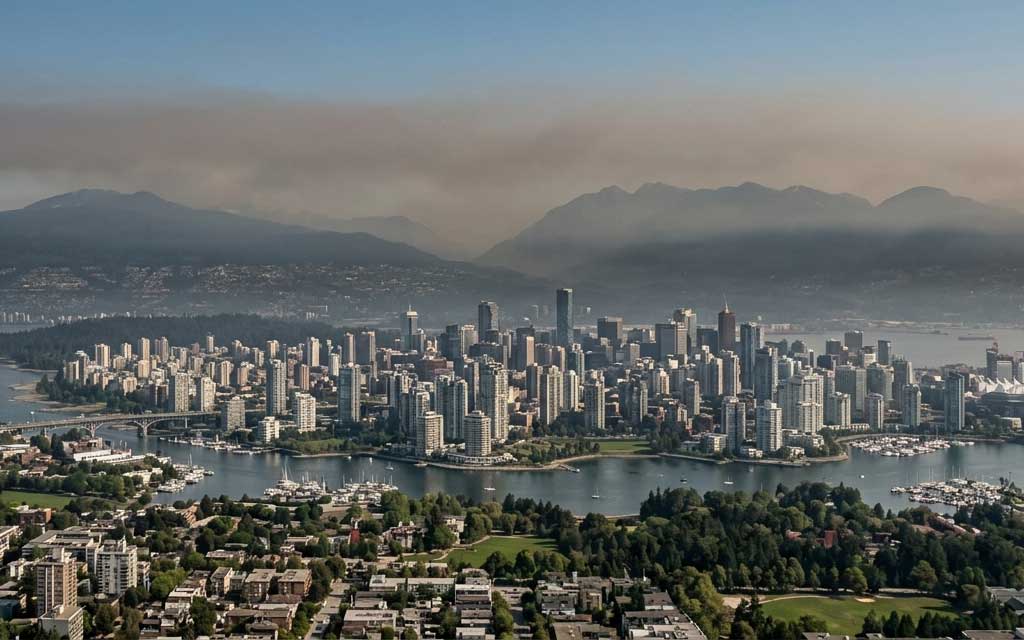
The Greater Vancouver regional district of British Columbia—a dominant urban hub in the Pacific Northwest—carries a global reputation for its dramatic mountain skylines, pristine marine vistas, deep-seated artisanal coffee culture, and signature rainy weather patterns. Surrounded by expansive temperate rainforests and subjected to heavy seasonal precipitation, it is incredibly easy to presume that the local Vancouver environment enjoys pristine, clean atmospheric conditions. However, empirical air quality monitoring metrics across recent years present a starkly different reality for Lower Mainland residents.
Official Metro Vancouver environmental health data indicates that our regional airshed regularly experiences multiple annual spikes that trigger formal Air Quality Advisories, primarily driven by elevated ground-level ozone concentrations and fine particulate matter (PM2.5). This localized seasonal smog accumulation frequently breaches strict Canadian Ambient Air Quality Standards (CAAQS), especially during intense, stagnant summer heatwaves.
What are the explicit physiological dangers of degraded atmospheric conditions? Epidemiological data attributes an estimated 15,000 annual premature deaths across Canada directly to ambient outdoor air pollution. Urban air quality directly shapes the systemic health of a community, acting as an immediate trigger for acute respiratory distress, severe cardiovascular incidents, asthma exacerbations, and myocardial infarctions. With the Lower Mainland facing increasingly volatile atmospheric shifts, proactive local governance must be paired with individual resident vigilance to properly insulate household environments from these airborne hazards.
In this data-driven analysis, we examine regional pollution indices, identify dominant smog catalysts, and evaluate British Columbia’s institutional strategies to reclaim clean air.
Lower Mainland Air Pollution: The Big Picture
If you frequently audit your mobile weather application, you are likely familiar with the digital tracking scale that maps localized atmospheric safety from minimal exposure levels up to dangerous thresholds.
To deliver accurate, transparent environmental safety reports to the public, the British Columbia ministry leverages the Air Quality Health Index (AQHI), an operational sliding scale calibrated from 1 (Low Risk) through 10+ (Very High Risk).
For an expanding metropolitan landscape like Vancouver—which processes an intricate mix of marine coastal gasses, dense highway commuter gridlock, and severe seasonal wildfire smoke pathways—navigating high-risk index days is a critical public health priority that underscores a deeper, structural ecological challenge.
According to medical researchers and respiratory specialists, continuous exposure to degraded ambient air quality manifests through several distinct physiological warning signs:
- Persistent, dry coughing spasms
- Audible wheezing and bronchial constriction
- Acute asthma flare-ups
- Ocular inflammation and throat irritation
- Sub-sternal thoracic burning sensations
- Labored breathing and sudden shortness of breath
Furthermore, regular inhalation of toxic fine particulate matter significantly compounds your long-term diagnostic vulnerability to:
- Chronic pulmonary pathologies (including COPD, severe asthma, and chronic bronchitis)
- Malignant breast tissue neoplasms
- Non-Hodgkin lymphoma cell mutation
- Primary lung cancer development
- Systemic, chronic vascular inflammation
- Acute cardiovascular failure and myocardial infarction
Most Common Sources of Air Pollution in BC
The primary drivers of degraded ambient air quality throughout the Metro Vancouver airshed encompass intense summer wildfires, active construction corridors, internal combustion vehicles, industrial fossil fuel consumption, and heavy maritime shipping terminals.
Metro Vancouver’s comprehensive atmospheric emissions inventory reporting frameworks systematically monitor fine particulate concentrations within the regional environment, identifying the leading localized contributors to elevated long-term health risks:
- Particulate Diesel Exhaust emitted from commercial transport trucks, rail lines, and heavy industrial machinery.
- Carbonaceous Wood Smoke venting from traditional residential fireplaces and domestic wood stoves.
- Stationary Industrial Emissions discharging from local manufacturing plants and processing factories.
- Chemical Solvents and Vapors releasing concentrated Volatile Organic Compounds (VOCs) into the atmosphere.
- Gasoline Combustion Exhaust generated by high-density urban commuter gridlock.
Empirical environmental monitoring consistently establishes that particulate diesel exhaust—comprising microscopic soot particles discharged by transport fleets, container ships, rail networks, and material-handling machinery—serves as the dominant vector of toxic air contamination across our coastal marine region.
Local BC Initiatives for Cleaner Air
To actively mitigate the concentration of airborne toxins within our shared environment, Metro Vancouver regional districts established a proactive, legally binding Clean Air Plan.
In tandem with provincial environmental protocols designed to suppress industrial smog generation, British Columbia deploys strategic grant allocations and green commercial incentives to accelerate the transition from heavy diesel transport to zero-emission and battery-electric vehicle (EV) fleets. By 2030, localized clean air directives aim to enforce a steep reduction in total ambient air contaminants, curtail environmental health hazards associated with poor air quality, and secure a definitive 45% reduction in total greenhouse gas emissions relative to 2010 baselines.
What Can BC Residents Do to Help?
While provincial bodies manage macro-level environmental engineering solutions, individual lower mainland residents can play a direct role in suppressing urban vehicle emissions through daily personal choices. This includes leveraging TransLink’s public transit network, establishing neighborhood carpools, or utilizing regional bike lanes for daily commuting. Additionally, motorists should enforce meticulous mechanical maintenance on personal combustion vehicles, and prioritize upgrading to advanced hybrid or battery-electric powertrains when sourcing a new vehicle.
What Homeowners in BC Need to Know About Indoor Air Quality
The prevailing state of outdoor atmospheric contamination exerts a profound, unyielding influence on your immediate indoor living environment. Given that the average Canadian citizen spends approximately 90% of their daily lifecycle enclosed within a built structure—whether residing at home, operating inside a corporate office, or commuting inside a vehicle—the vast majority of personal pollution exposure transpires behind closed doors. Consequently, understanding how external pollutants infiltrate your architectural envelope and executing technical methods to suppress them is vital to protecting your health.
Discover advanced strategies to optimize your property’s breathing environment by exploring our specialized technical decontamination services.
Windows, Doors, and House Drafts
Whenever we open residential windows and sliding patio doors, or if an architectural envelope suffers from unsealed structural gaps across exterior walls and foundations, outdoor air forcefully infiltrates our indoor living spaces. This external airflow, despite being perceived as “fresh air,” frequently carries high concentrations of PM10 (coarse dust, seasonal pollen, and ambient mold spores) alongside hazardous PM2.5 (automotive exhaust, industrial chemical smoke, and active wildfire soot), ultrafine sub-micron particles, and corrosive ground-level ozone. Continuous respiration of these suspended particulates can trigger acute physiological reactions, ranging from intense seasonal allergic inflammation to chronic respiratory degradation.
Indoor Sources of PM2.5 and Dust
While a substantial volume of fine particulate matter migrates into your property from external atmospheric conditions, several internal activities actively generate and concentrate pollutants within your living zones. These localized indoor contamination sources encompass aerosolized chemical cleaners, unvented wood-burning hearths, secondhand tobacco smoke, synthetic scented candles, and vaporized lipids produced by high-heat cooking oils.
Air Pollution’s Destructive Impact on BC Houses
Beyond triggering an array of chronic physiological ailments, contaminated indoor air inflicts severe, unseen structural damage upon your property’s mechanical ventilation systems and core architectural framework.
Over time, excessive dust sedimentation within your building’s HVAC infrastructure restricts airflow across heating and cooling coils, forcing your furnace blower or heat pump to operate continuously to maintain climate stability. This mechanical strain drastically shortens the operational lifespan of your HVAC plant, triggers premature furnace failures, and drives a significant spike in monthly energy consumption. In geographic zones characterized by high outdoor dust and pollen counts, internal sediment accumulation accelerates rapidly, drastically increasing the probability of a completely choked, hazardous air duct network.
Furthermore, the combination of high outdoor particulate migration and our pervasive coastal marine humidity creates the perfect catalyst for toxic mold colonization. Much like dust and vegetative pollen, microscopic fungal spores are readily tracked into your home via footwear or domestic pets, rapidly dispersing through your centralized ventilation pathways. When exposed to elevated relative humidity, these dormant spores germinate instantly, consuming and destroying porous building materials such as drywall, area rugs, and wall-to-wall carpeting. Executing successful mold remediation requires the absolute, sterile removal of the entire fungal network to prevent secondary spore outbreaks. As a baseline safety standard, Canadian health authorities mandate retaining an accredited mold remediation specialist for any indoor fungal colonization spanning an area greater than 10 square feet.
For IICRC-certified mold remediation and environmental environmental sanitization across your residential or commercial property, connect with Mobi Cleaning Canada today.
Practical Solutions for BC Homeowners
Greater Vancouver property owners can implement these proactive engineering controls to insulate their families and preserve their real estate assets from the structural liabilities of poor indoor air quality:
- Enforce a rigorous schedule of preventative furnace maintenance combined with professional vacuum air duct cleaning to ensure sterile, high-volume air distribution.
- Subject your domestic carpets, structural furniture upholstery, and fine area rugs to routine commercial hot water extraction to deeply purge trapped dust mite matrices and deeply embedded allergens.
- Integrate advanced indoor air filtration upgrades, such as high-efficiency, medical-grade HEPA furnace media and independent, localized room air purifiers.
- Monitor real-time provincial Air Quality Health Index (AQHI) trackers, and don certified respiratory protection outdoors whenever active wildfire smoke advisories are deployed.
How Mobi Cleaning Can Help
Degraded air quality compromises both human physiological health and long-term structural property values. Fortunately, the specialized team at Mobi Cleaning Canada is fully equipped to safeguard your family and preserve your real estate investments. We are completely dedicated to engineering sterile, deeply sanitized living environments and commercial spaces throughout British Columbia by deploying premium, commercial-grade deep-cleaning extraction technologies paired with transparent local customer service—delivering a level of microscopic soil recovery that standard cleaning operations cannot replicate.
We deliver a comprehensive suite of professional environmental cleaning services, specializing in centralized HVAC air duct sanitization, heavy-duty residential carpet steam cleaning, commercial facility maintenance, and automotive interior detailing.
Call Us
778.801.8595
SEND US AN EMAIL
book@mobicleaning.ca
Text Us
778.801.8595
Contact Us For Cleaning Services
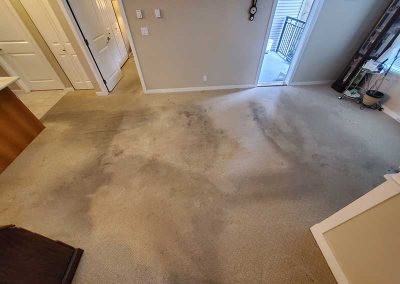
Real Results
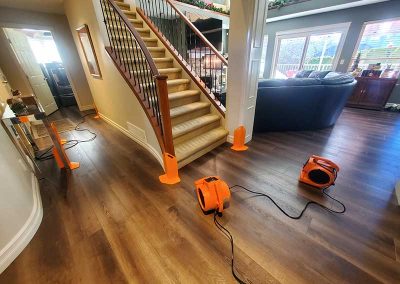
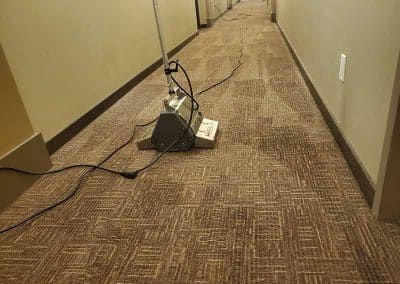
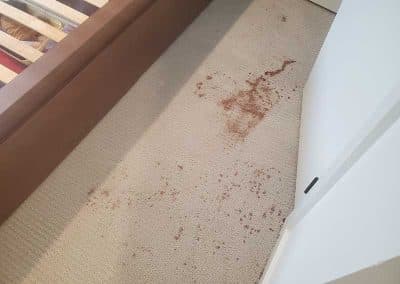
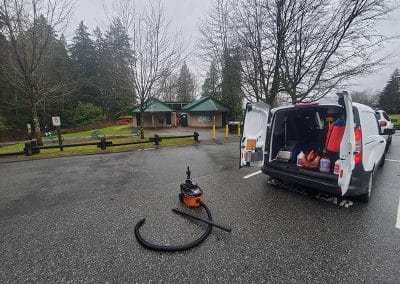
We take tremendous pride in the results we deliver for our clients. The photos speak for themselves.


Why Choose Us
Business License, Criminal Record Check, Trained Technicians, Professional Tools, Professional Solutions, Better Results and Quality, Transparent Pricing and no Hidden Fees, Health Benefits, Professional Operation of Tools, Mobi Cleaning Difference, Flexible Scheduling, On-Time, Maintenance, Great Competitive Value, Customer Satisfaction Focused, IICRC Trained, Green Cleaning, Reputation, Property Protection, Fast Drying Carpets, 100 Percent Satisfaction Guarantee, Experience, Professional Processes, First-Class Service, Fast Response Time, Free Consultation and Estimates, Competitive Pricing and Dedicated Account Manager