








Complete Guide How to Remove Cat Urine from Carpet
Ultimate Guide: How to Remove Cat Urine from Carpet Effectively
If you’ve ever stepped into a room and been hit by that sharp, sour smell of cat urine, you know how persistent it can be.
Anyone who has ever walked into a room only to be greeted by the pungent, acidic odor of feline spraying understands how stubborn that stench remains.
Worse, sometimes shampooing or scrubbing seems to make the smell stronger, not better.
To make matters worse, conventional scrubbing or carpet shampooing frequently intensifies the foul smell instead of eliminating it.
The good news: with the right steps and products, you can clean cat pee from carpet and stop it from coming back.
Fortunately, utilizing the correct techniques and targeted neutralizing formulas allows you to permanently clean cat pee from carpet fibers and halt recurring smells.
This guide walks you through fresh accidents, old stains, what not to do, and when it’s time to call in professional help.
Our comprehensive walkthrough covers immediate spills, dried blemishes, critical mistakes to avoid, and the exact moment you should call in expert support.
Materials You’ll Need
Essential Supplies For Pet Odor Removal
- Paper towels or clean cloths
- Highly absorbent paper towels or fresh microfiber cloths
- Cold water
- Pure, chilled tap water
- Enzymatic cleaner (pet urine remover, available at pet stores or online)
- Specialized enzymatic pet cleaner (available at local pet supply shops or online retailers)
- Wet/dry vacuum or carpet extractor
- A powerful wet/dry shop vacuum or a residential carpet extraction machine
- UV flashlight (365–395 nm) for finding old stains
- A high-quality UV blacklight (365–395 nm wavelength) to locate hidden dried spots
- Baking soda or peroxide-based cleaner (optional, for stubborn cases)
- Heavy-duty baking soda or an active peroxide solution (optional for deeply embedded spots)
Step-by-Step: Fresh Cat Pee
Action Plan for Fresh Feline Incidents
Time required: 10–20 minutes active, several hours to overnight dry
Time investment: 10 to 20 minutes of physical labor, followed by several hours or an overnight drying window.
- Blot immediately. Use paper towels to soak up as much urine as possible. Don’t rub — rubbing can spread the stain deeper into fibers.
- Immediate Blotting: Press down firmly with paper towels to absorb the bulk of the liquid right away, ensuring you never scrub, which forces the moisture deeper into the backing.
- Rinse with cold water. Pour a small amount of cold (not hot) water over the spot to dilute urine crystals. Extract with a shop-vac or blot with fresh towels.
- Chilled Water Rinse: Pour a minor amount of cold water directly over the zone to thin out the concentrated uric salts, then pull it back out using a shop-vac or dry cloths.
- Saturate with an enzymatic cleaner. Apply enough cleaner to fully soak the area, matching the depth of the original accident. Enzymes need to reach the carpet pad, not just the surface.
- Total Enzyme Saturation: Pour a generous amount of your enzymatic pet cleaner to ensure it drenches the floor to the exact depth of the original spill, reaching the underpad below.
- Let it dwell. Follow the label, but most enzymatic cleaners need 8–12 hours to air-dry. This is when the enzymes break down uric acid crystals — the compounds that cause lingering odor.
- Allow Adequate Dwell Time: Let the product sit undisturbed; most biological formulas require 8 to 12 hours of natural air-drying to fully dissolve the stubborn uric acid salts responsible for the stench.
- Re-extract and ventilate. After drying, extract with a wet/dry vac or blot again. Open windows or run fans to speed up the process.
- Moisture Extraction & Ventilation: Once dry, run your wet vacuum over the area one final time, and turn on floor fans or open nearby windows to maximize airflow.
Still battling stubborn smells? Schedule a professional cleaning with COIT today.
Can’t seem to shake those persistent pet odors? Book a premium, deep-cleaning service with Mobi Cleaning today.
Step-by-Step: Old Cat Pee or Stains
Dealing with Dried, Deep-Set Cat Urine Stains
Sometimes the carpet looks clean but the smell lingers. That usually means urine soaked into the padding or subfloor.
When your flooring appears spotless to the naked eye but a phantom stench remains, the liquid has likely bypassed the pile and settled into your foam padding or wooden subfloor.
- Map with a UV flashlight. In a dark room, shine the light to reveal old or hidden stains.
- Detect with Blacklight: Kill the lights in the room and use a UV flashlight to clearly illuminate the exact boundaries of hidden, older spots.
- Soak with enzyme cleaner. Apply generously — don’t just mist. The solution must reach deep into the pad.
- Deep Enzyme Soaking: Drench the flagged areas thoroughly rather than just lightly spraying, as the fluid needs to mimic the downward path of the initial accident.
- Let it sit overnight. Cover with a damp towel if needed to keep the area moist during enzyme action.
- Overnight Dwell Window: Allow the solution to work through the night, placing a damp cloth over the spot if necessary to keep the active bio-cultures hydrated and working.
- Extract thoroughly. Use a wet/dry vac for best results. Repeat if odor remains.
- Intensive Vacuum Extraction: Pull the liquid out using a heavy-duty wet vacuum for maximum soil recovery, repeating the cycle if any trace of the smell persists.
For stubborn cases: You might need an “extract-flood-extract” method — flushing with cold water, saturating with enzyme, then extracting again. If odor persists after two full cycles, it’s likely time to call a professional.
- Advanced Flushing Method: For severe situations, execute a “flush-soak-extract” cycle by rinsing with cold water, re-applying enzymes, and vacuuming it clean—though a professional call is best if the smell survives two attempts.
What Not to Do
Critical Mistakes to Avoid
- Don’t use steam or hot water. Heat can bind proteins and odors permanently into carpet fibers.
- Avoid Steam Cleaners: High heat cooks the organic proteins, permanently locking the discoloration and the smell into the structural makeup of the textile.
- Don’t reach for ammonia-based cleaners. Cat urine already contains ammonia, so using it may encourage repeat marking.
- Skip Ammonia Formulas: Because feline waste naturally breaks down into ammonia, applying these chemical cleaners tricks your pet into thinking it is a designated toilet spot, triggering repeat accidents.
Don’t apply vinegar before enzymes. Vinegar’s acidity can deactivate enzyme cleaners. If you want to use vinegar, wait until after the enzyme treatment is fully complete.
- Hold Off on Vinegar: The acidic nature of household vinegar can instantly kill the active bacteria inside enzyme products, so save any vinegar rinses until your main bio-treatment is entirely finished.
Why the Cat Pee Smell Comes Back
The Science Behind Recurring Pet Odors
Cat urine contains uric acid crystals that don’t dissolve in water. Even if the surface looks clean, these crystals stay in the pad or subfloor and can reactivate whenever humidity rises.
Feline urine leaves behind highly resilient uric acid crystals that completely resist water cleanup, remaining trapped inside the subfloor where they lay dormant until indoor humidity spikes.
That’s why the odor often smells worse after shampooing or a rainy day. Only enzyme or oxidizing cleaners (or professional extraction) can fully break them down.
This explains why the stench suddenly intensifies following a routine steam wash or a humid, rainy day; only specialized biological digesters, advanced oxidizers, or professional-grade deep extraction can tear these compounds apart.
When to Call a Professional
When It’s Time to Enlist Mobi Cleaning Experts
DIY methods can go a long way, but they have limits. Professionals like COIT use tools you can’t buy off the shelf, such as:
While home remedies provide a solid first defense, severe saturation requires specialized industrial equipment. The certified crew at Mobi Cleaning brings heavy-duty resources to the job, including:
- UV mapping and moisture meters to find hidden damage
- Industrial-grade UV mapping arrays and electronic moisture meters to pinpoint hidden contamination.
- Hot water extraction paired with pet-safe pretreatments
- High-pressure truckmount hot water extraction systems combined with proprietary, pet-safe neutralizers.
- Pad flushing or replacement when stains have penetrated too deeply
- Sub-surface pad flushing tools or targeted underpad replacement for deep-set saturations.
- Subfloor sealing to lock in odors
- Specialized structural subfloor sealing applications designed to permanently trap underlying odors.
- Anti-resoil rinses and HEPA air movers for faster, cleaner results
- Commercial anti-soiling polymer rinses paired with high-velocity HEPA structural air movers for lightning-fast drying.
If you’ve treated a spot twice and the smell returns, or if urine has soaked through to the subfloor, professional treatment is your best option.
If you have already treated a specific spot multiple times without success, or if the liquid has completely saturated your subfloor, professional extraction is your safest, most reliable option.
How Can I Prevent the Cat from Peeing Outside the Litter Box?
Proactive Tips to Prevent Inappropriate Urination
Make the litter box an attractive elimination spot. Cats need three things from their litter box: privacy, cleanliness, and space.
Transform your pet’s litter box into an appealing, stress-free station by strictly focusing on three vital pillars: privacy, pristine cleanliness, and ample space.
- Privacy: Cats prefer some peace and quiet for elimination. Keep your cat’s box in a quiet low traffic area away from noisy fans or washing machines.
- Strategic Privacy: Felines require peaceful surroundings when using the toilet, so situate their box in a low-traffic zone far removed from loud household appliances like laundry machines.
- Cleanliness: Your cat’s sense of smell is much stronger than a human’s; make sure to scoop every day, and completely dispose of litter and wash the box out with unscented dish soap once a week.
- Strict Upkeep: A cat’s olfactory senses are incredibly sharp, meaning you must scoop waste out daily, completely replace the litter weekly, and scrub the pan using fragrance-free dish soap.
- Space: Many litter boxes are too small. Purchase larger litter boxes without domed lids. Fill litter up only halfway, no more.
- Ample Square Footage: Standard plastic pans are frequently too cramped, so invest in oversized, open-top boxes without restrictive hoods, filling the substrate no more than halfway up.
How Can I Prevent Cats from Marking?
How to Prevent Territorial Urine Marking
Marking is different behavior than regular urination. When cats are marking, they deposit a small amount of urine on vertical surfaces.
Urine marking is a completely separate psychological behavior from normal elimination, characterized by pets spraying tiny amounts of fluid against vertical walls or furniture.
Why do cats mark? Cats are not pack animals. In fact, they often prefer to avoid one another.
Why does this happen? Felines are naturally solitary creatures who generally prefer to establish clear physical boundaries from other animals.
Marking with urine is a way for cats to let others know that they claim that particular territory.
Spraying urine serves as a highly potent chemical message to inform competing pets that a specific perimeter has already been claimed.
Prevent marking by spaying or neutering your cat. Not owning more than one cat, or increasing the number of food dishes, water dishes, scratching posts, and litter boxes can also reduce or eliminate territorial behavior.
You can greatly curb this behavior by spaying or neutering your pet early, maintaining a single-cat household, or significantly multiplying the number of food bowls, water stations, scratching trees, and waste pans to lower household friction.
Many experts recommend one box per cat plus one more box, so if you have 2 cats set up 3 boxes.
Behavioral specialists suggest maintaining a golden ratio of one litter box per cat plus an extra bonus box—meaning a two-cat home requires three separate setups.
Cats make great pets, but you must plan ahead to keep them eliminating in the correct areas. Need more stain help? See the COIT Spot Removal Guide.
Felines are wonderful companions, but establishing proper behavioral habits requires proactive environmental design. For more expert stain mitigation advice, explore the Mobi Cleaning Resource Library.
FAQs About Cleaning Cat Pee from Carpet
Frequently Asked Questions: Pet Urine Removal
Why does my carpet smell worse after shampooing?
Why does my floor smell worse after running a carpet shampooer?
Shampooing re-wets uric acid crystals buried in the pad. The water wicks them back up, releasing more odor. This is why the smell can feel even stronger after cleaning — the moisture brings those deep-set compounds back to the surface, where they off-gas into the air until properly neutralized.
Shampooing accidentally re-hydrates the dormant uric crystals buried deep inside your floor padding. As the moisture wicks upward toward the surface, it carries these highly odorous salts with it, causing them to off-gas into the ambient air with renewed intensity until a true chemical neutralizer breaks them down.
Do steam cleaners make cat pee smell worse?
Will a commercial steam cleaner worsen the urine smell?
Yes, because heat can lock urine odors into fibers permanently. The high temperature essentially “sets” the stain, binding the proteins and crystals into the carpet, making professional removal even more difficult.
Absolutely, because excessive heat chemically binds the organic waste proteins directly to the synthetic carpet fibers. This high temperature effectively “bakes” the spot into place, making future professional restoration far more complex.
How long should enzyme cleaner sit?
What is the ideal dwell time for biological enzyme sprays?
Most need several hours to overnight. Always let the product air-dry for full effectiveness, since enzymes only work while the area is moist. Rushing this step is one of the main reasons odor returns after cleaning.
The majority of professional treatments require several hours up to an entire night to finish their work. It is vital to let the solution air-dry naturally, as these microscopic cultures can only digest organic waste while wet; truncating this step is why home cleanups often fail.
How do I find old stains?
What is the easiest way to identify old, hidden pet stains?
Use a UV flashlight (365–395 nm) in a dark room. Cat urine fluoresces, making hidden spots easier to treat. Mark the glowing areas with painter’s tape or sticky notes so you can apply cleaner precisely where it’s needed.
Operate a specialized 365–395 nm UV flashlight inside a completely dark room. Animal urine naturally fluoresces under this light spectrum, allowing you to easily map out and highlight the glowing targets with painter’s tape for precise, localized spot treatments.
Can I use vinegar?
Is household vinegar safe to use on these spots?
Yes, but only after the enzymes have finished working. Vinegar can help with light residual odor but shouldn’t replace enzyme cleaners. If used too early, the acidity may actually reduce the effectiveness of the enzymes, so save this step for last.
Yes, but you must only apply it after your enzymatic treatments have completely finished their cycle. While vinegar is great for lifting minor surface odors, its acidic pH will destroy living enzyme cultures if applied too early—so always use it as a final finishing rinse.
Call Us
778.801.8595
SEND US AN EMAIL
book@mobicleaning.ca
Text Us
778.801.8595
Contact Us For Cleaning Services
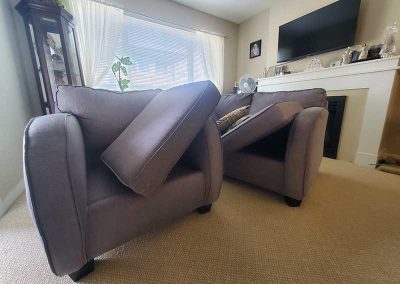
Real Results
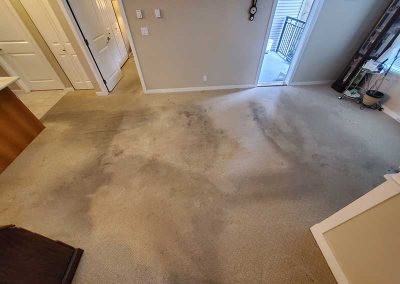
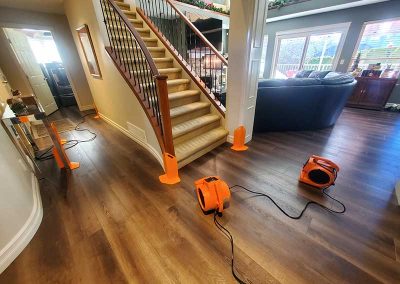
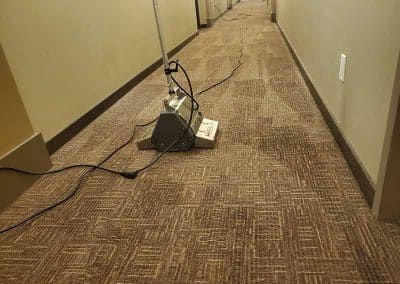
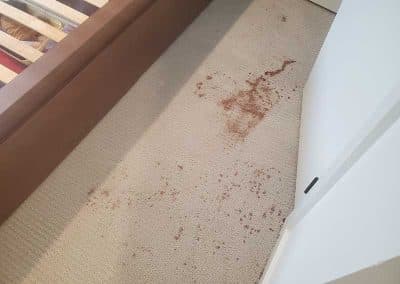
We take tremendous pride in the results we deliver for our clients. The photos speak for themselves.
Why Choose Us
Business License, Criminal Record Check, Trained Technicians, Professional Tools, Professional Solutions, Better Results and Quality, Transparent Pricing and no Hidden Fees, Health Benefits, Professional Operation of Tools, Mobi Cleaning Difference, Flexible Scheduling, On-Time, Maintenance, Great Competitive Value, Customer Satisfaction Focused, IICRC Trained, Green Cleaning, Reputation, Property Protection, Fast Drying Carpets, 100 Percent Satisfaction Guarantee, Experience, Professional Processes, First-Class Service, Fast Response Time, Free Consultation and Estimates, Competitive Pricing and Dedicated Account Manager